Summary
Do Hair Transplants Really Work? Hair transplants do work when performed by skilled surgeons on the right candidates, offering natural, lasting results.
Modern methods like FUE and FUT achieve high graft survival rates, though success depends on recovery care and ongoing hair loss management.
Patients should set realistic expectations, follow precautions, and choose qualified clinics to avoid risks. With proper guidance, transplants restore confidence and improve quality of life.
Introduction
You’re losing confidence because of thinning hair and keep asking yourself: do hair transplants really work? The short answer is yes when done properly, modern hair restoration offers natural growth, lasting density, and improved self-esteem.
In this guide, you’ll learn how hair transplants work, what realistic results look like, and how to recover safely. Backed by expert input and real data, this article helps you decide if a transplant is the right choice for you.
Why People Ask “Do Hair Transplants Really Work?”
The emotional & cosmetic concerns behind hair loss
Hair loss affects millions worldwide, not only physically but emotionally. For many, it impacts self-image, confidence, and social interactions. That’s why people want assurance that a transplant truly delivers results.
Common misconceptions & myths
Some believe hair transplants provide instant results or that transplanted hair never sheds. Others think it looks “pluggy.” These myths come from outdated techniques. Modern procedures, when performed by skilled surgeons, look natural and require patience for results.
What “work” really means
“Working” doesn’t mean a full head of teenage hair. It means transplanted follicles grow naturally, blend with existing hair, and last for years restoring both density and confidence.
How Hair Transplants Actually Work
The science behind follicular unit transplantation (FUT)
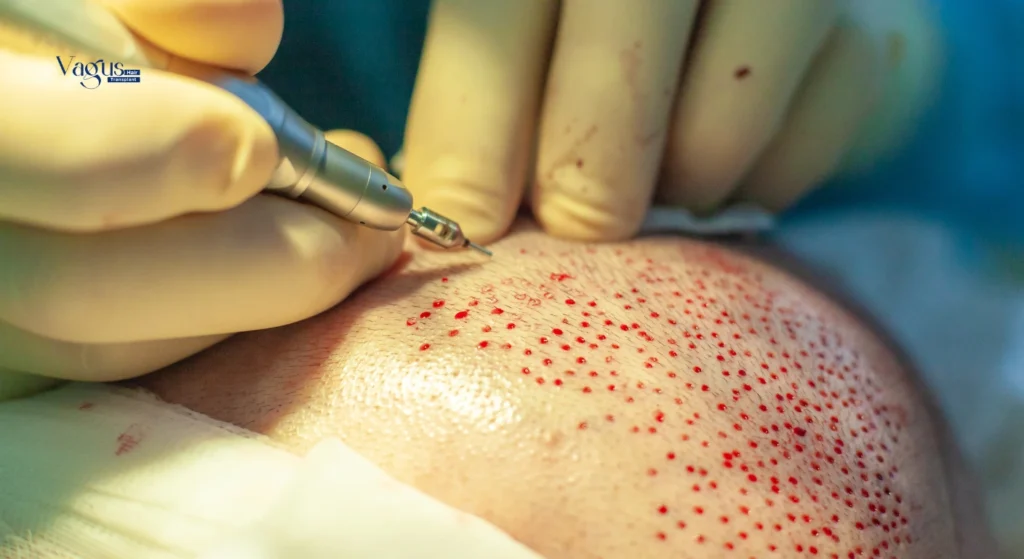
FUT involves removing a thin strip of scalp from the donor area, dissecting it into follicular units, and implanting them where hair is thinning. It’s efficient for large sessions but leaves a linear scar.
Follicular Unit Extraction (FUE) method
FUE uses a micro punch to extract individual follicles, leaving tiny dot scars. It’s less invasive and has faster healing, making it the most popular option today.
Other modern techniques
Direct Hair Implantation (DHI) and robotic-assisted systems improve precision and graft survival, offering faster recovery and denser placement.
Donor dominance principle
Transplanted follicles retain their resistance to DHT (the hormone causing baldness). This is why hair taken from the back of the scalp continues to grow even after relocation.
What affects graft survival
Factors like surgical skill, handling time, and post-op care influence how many grafts survive. A reputable clinic should achieve survival rates above 85–90%.
Success Rates & Realistic Expectations
Typical graft survival rates
Studies show that most modern clinics report survival rates between 85–95%, meaning the majority of grafts take root and grow.
What counts as success
A successful transplant balances natural hairline design, density that matches expectations, and hair growth that lasts for years.
Long-term sustainability
Results stabilize after 12 months but may thin slightly over years due to ongoing genetic hair loss. Maintenance treatments like PRP or medication may help.
When transplants may fail
Poor donor supply, unstable alopecia, or choosing an inexperienced surgeon can limit results. Conditions like scarring alopecia also reduce success.
Comparative stats
Top clinics often showcase consistent results with survival rates above 90%, especially when combined with post-surgical therapies.
Who Is (and Isn’t) a Good Candidate?
Ideal conditions
Best candidates are men or women with stable androgenetic alopecia, good donor density, and realistic goals.
Contraindications
Those with uncontrolled medical issues, cicatricial alopecia, or diffuse thinning across the scalp may not be suitable.
Age, texture & skin type
Younger patients with ongoing hair loss may need staged treatments. Hair texture (curly vs straight) also influences the look of density.
Preoperative evaluation
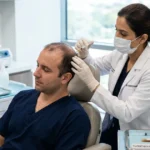
A thorough scalp analysis, medical history, and sometimes a biopsy ensure the patient is fit for surgery.
What to Expect — Procedure & Recovery Timeline
Preoperative steps
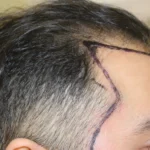
Consultation includes mapping hairline, discussing graft count, and preparing medications or scalp care routines.
Day of surgery
Local anesthesia is given, grafts are harvested, and recipient sites are created with careful angling for natural results.
First week
Mild swelling, crusting, and temporary “shock loss” are normal. Grafts are fragile, so strict care is needed.
Weeks 2–12
Shed hair is expected; follicles rest before regrowth starts. Patients often feel discouraged during this phase, but it’s temporary.
Months 3–6
New hair starts to sprout, thin at first but thickening with time.
Months 6–12
Noticeable density builds, with full results visible by 12–15 months.
Multi-year review
Some patients may require touch-ups after several years, especially if surrounding hair continues to thin.
Safe Recovery — Sweat, Exercise & Precautions
Why is sweating bad after a hair transplant?
Sweating irritates healing grafts, increases infection risk, and can slow recovery.
How long should I avoid sweating?
Most surgeons advise avoiding heavy sweating for at least 2–3 weeks.
When can I exercise again?
Light walking can resume after a few days. Cardio may restart in 2–3 weeks, while weightlifting should wait 4–6 weeks.
Expert recovery tips
- Sleep with your head elevated the first week
- Wash gently with clinic-approved shampoo
- Stay hydrated and eat protein-rich meals
- Avoid smoking and alcohol
Checklist
Do: Follow surgeon’s instructions, attend follow-ups
Don’t: Scratch grafts, expose scalp to sun, wear tight hats
Risks, Complications & How to Mitigate Them
Common risks
Mild bleeding, swelling, itching, or temporary numbness are typical but manageable.
Less common risks
Folliculitis, cysts, or poor graft direction may occur if technique is poor.
Choosing a safe clinic
Look for board-certified surgeons, documented case studies, and transparent reviews.
Red flags
Unrealistic promises (“guaranteed full head of hair”), very low costs, or high-pressure sales are warning signs.
Handling complications
Always contact your surgeon if you notice infection, severe pain, or poor healing. Early intervention prevents long-term issues.
Cost, ROI & Longevity
Typical cost ranges
Costs vary widely, from $2,000–$10,000 depending on grafts needed, country, and surgeon experience.
Return on investment
Unlike temporary solutions like wigs or medications, a successful transplant provides lifelong growing hair and boosts quality of life.
Need for second sessions
Patients with extensive baldness may need staged surgeries for fuller coverage.
Maintenance costs
PRP sessions, minoxidil, or finasteride may be recommended to protect native hair.
Frequently Asked Questions (FAQ)
Do hair transplants hurt?
With local anesthesia, pain is minimal. Post-op discomfort is usually mild and manageable with medication.
When will I see hair growth?
Most patients notice visible growth around 3–4 months, with full results after 12 months.
Can transplanted hair fall out?
Transplanted follicles are permanent, but existing hair may thin over time.
Does it work for women?
Yes women with stable pattern hair loss may also benefit.
Can hair transplants correct scars or burns?
In many cases, yes. Grafts can grow in scar tissue, though survival rates may be lower.
Is there an age limit?
No strict limit, but stability of hair loss matters more than age.
Will future hair loss affect results?
Yes without preventive treatments, surrounding hair may continue to thin.
Are hair transplants permanent?
Transplanted follicles are permanent, but cosmetic density may change with age.
Next Steps
Still wondering do hair transplants really work for you? The best way to know is by getting a professional evaluation. Book a consultation today to assess your scalp, donor supply, and expectations so you can move forward with confidence.
Hair transplants do work but only with the right candidate selection, skilled surgeon, and careful recovery. Results are long-lasting, natural, and confidence-boosting. Understanding timelines, risks, and expert care ensures you know exactly what to expect on your journey to restored hair.