Summary
You don’t always have to shave your head for a hair transplant. Whether shaving is required depends on the technique used, the size of the session, and your surgeon’s preference. Full shaving is usually needed for FUE (Follicular Unit Extraction), while FUT may only need partial trimming in the donor area. Some clinics also offer no-shave or partially shaved hair transplant options, but these may not be suitable for everyone.
Introduction
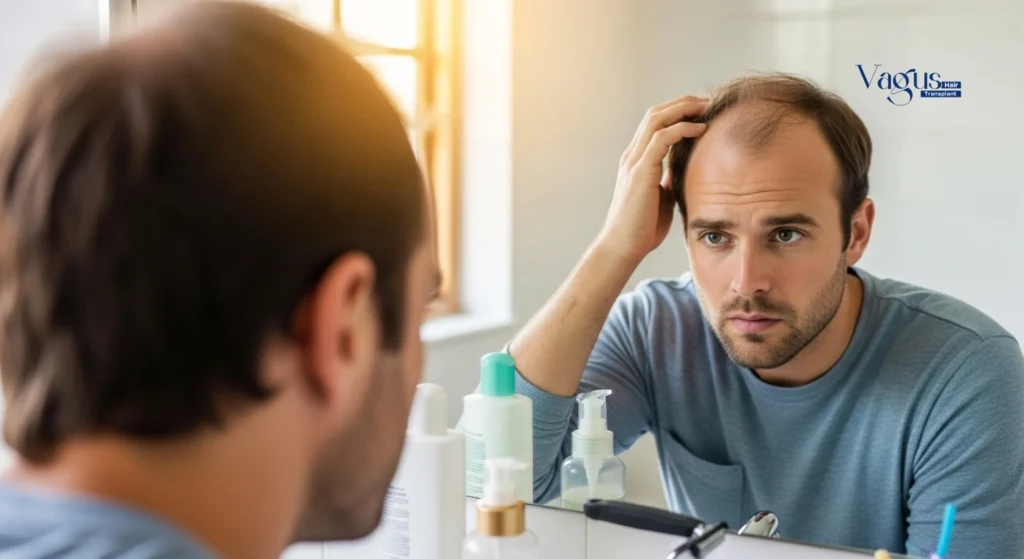
One of the most common concerns patients have before surgery is this: “Do I have to shave head for hair transplant?” It’s natural to feel worried about the cosmetic and social impact of shaving, especially if you’re trying to keep your procedure discreet. The truth is, whether you must shave your head for hair transplant depends on the method chosen, your hair type, and your surgeon’s approach. In this guide, we’ll explain when shaving is required, when it can be avoided, and what options you really have.
Do I Have To Shave Head For Hair Transplant?
This question matters because shaving affects not only how the procedure is performed but also how visible your surgery will be afterward. Some patients prefer quick healing and easier graft placement with a shaved scalp, while others want a more discreet process that avoids drastic changes to their appearance.
Recommended: Do Hair Transplants Really Work?
Understanding Why This Question Matters
- Confidence and Privacy: Many patients don’t want others to know they had surgery.
- Healing and Precision: Shaving allows doctors better visibility and cleaner graft placement.
- Technique Differences: Different methods like FUE, FUT, or DHI have different shaving needs.
When Do You Need to Shave for a Hair Transplant?
1. Full Shave Requirement in FUE
In most cases, the FUE hair transplant shaving requirement means the entire head must be shaved. This makes it easier for the surgeon to extract thousands of grafts efficiently and implant them with precision.
2. Partial Shaving for Smaller Sessions
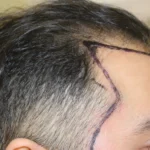
If only a small number of grafts are needed, surgeons may recommend a partially shaved hair transplant. In this method, only the donor area (usually at the back of the head) is trimmed, leaving the rest of your hair intact.
3. FUT Hair Transplant and Shaving Needs
For FUT (Follicular Unit Transplantation), shaving is often limited. Since FUT involves removing a strip of hair from the donor area, doctors may only trim a narrow section, making it less noticeable.
Can You Get a Hair Transplant Without Shaving Your Head?
No-Shave FUE Explained
The no-shave hair transplant option allows surgeons to extract and implant follicles without trimming visible areas of the scalp or unshaven hair transplant. However, it requires advanced skills and is usually reserved for smaller sessions.
Who Is a Good Candidate for No-Shave Transplants?
- Patients needing fewer grafts
- Those with longer hair to cover the donor areas
- People seeking a discreet procedure
Limitations of No-Shave Options
- Longer surgery time
- Higher cost
- Limited graft numbers
Pros and Cons of Shaving Your Head Before Surgery
| Advantages of a Shaved Scalp | Drawbacks and Concerns Patients Often Have |
| Cleaner surgical field – Surgeons get a clear view of the scalp, which makes the procedure more precise. | Temporary change in appearance – The sudden shift to a bald look may feel uncomfortable for some. |
| Faster extraction and implantation – Hair follicles can be harvested and placed more efficiently. | Social discomfort during recovery – Patients may feel self-conscious in public until their hair starts regrowing. |
| Reduced risk of infection – With less hair, it’s easier to keep the scalp sterile during and after surgery. | Longer time to return to usual hairstyles – It can take several months before the hair grows back to its natural length. |
| Easier post-op care – Cleaning, applying medication, and monitoring healing are simpler on a shaved scalp. | Initial shock for family or colleagues – Some people worry about reactions from others after surgery. |
Hair Transplant Techniques and Shaving Requirements
1. FUE (Follicular Unit Extraction)
FUE (Follicular Unit Extraction) Usually requires full or partial shaving for donor area visibility.
FUT (Follicular Unit Transplantation)
FUT (Follicular Unit Transplantation) Typically needs trimming only in the strip donor zone.
DHI (Direct Hair Implantation)
DHI (Direct Hair Implantation) Often allows partial or minimal shaving, depending on graft numbers.
How Doctors Decide If You Must Shave
Role of Hair Length, Density, and Donor Area
Surgeons evaluate your hair thickness, length, and donor density before deciding on shaving needs.
Factors That Influence the Surgeon’s Choice
- Number of grafts required
- Recipient area size
- Your preference is balanced with surgical efficiency
What If You’re Not Comfortable Shaving?
Discreet or Partial Shaving Methods
Some clinics offer options like partial or donor-only shaving. In these cases, only the back or sides of the head (the donor area) are trimmed, while the rest of the hair is left longer to cover it. This approach is popular with patients who want to keep the procedure less noticeable.
Styling Tricks to Hide Donor Areas
While waiting for regrowth, simple styling adjustments can help hide trimmed patches. For example, longer hair on the top can be combed down, or side parts can be adjusted to cover the shaved spots. These tricks make the recovery period feel more natural and discreet.
What to Expect After Shaving for Hair Transplant
How Fast Hair Grows Back
On average, hair grows about 1 centimeter per month. That means within 2–3 months, most shaved areas blend in with the surrounding hair, making the change less noticeable over time.
Recovery Timeline and First Haircut
Patients usually feel comfortable enough for a regular haircut in about 4–6 weeks. By this time, the scalp has healed, and the new growth starts blending with existing hair, allowing for normal grooming and styling again.
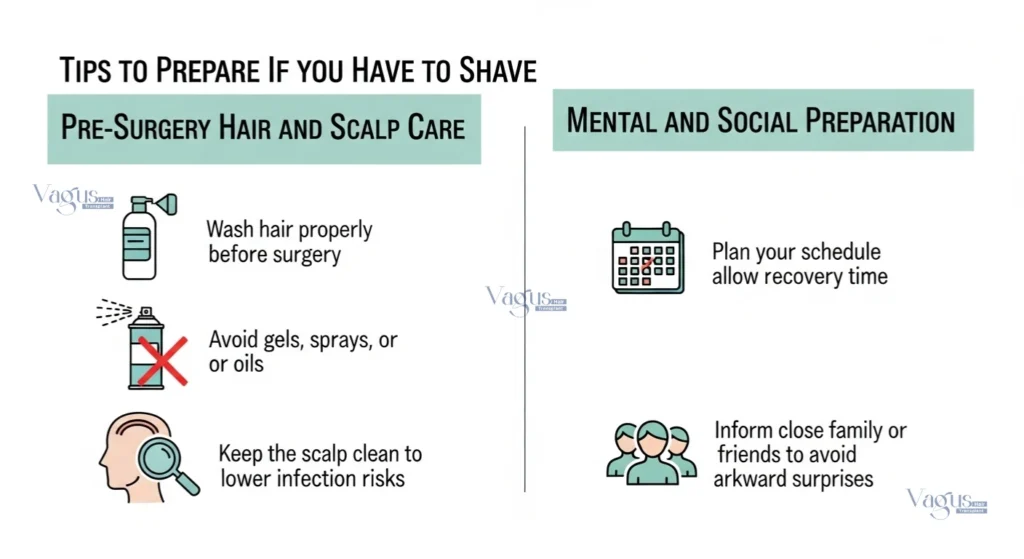
Tips to Prepare If You Have to Shave
Final Thoughts
Not every patient must shave their head for hair transplant. The decision depends on your chosen method, session size, and the surgeon’s advice. While shaving may feel uncomfortable at first, it ensures cleaner results and faster healing in many cases. If discretion is your top concern, ask your surgeon about partial or no-shave options, but always prioritize long-term results over short-term appearance.
Frequently Asked Questions
Q1. Can women get a transplant without shaving?
Yes, women can often undergo FUT or no-shave FUE, depending on their hair length and donor area.
Q2. Will shaving affect results?
No. Shaving only helps with precision and healing. It doesn’t reduce transplant success.
Q3. How long does it take to look normal again?
Most patients look natural within 2–3 months, as hair grows back quickly.
Q4. Can I request my doctor to avoid shaving?
Yes, but whether it’s possible depends on graft requirements and your surgeon’s technique.