Summary
After a hair transplant, one of the most common questions is, “Time Takes by Transplanted Hair to Grow?” The timeline for hair growth is gradual and varies by individual, with full results typically visible within 6 to 12 months. This article breaks down the growth process into stages, from shedding in the first month to the full growth after 12 months. Factors such as age, health, and genetics can influence regrowth, while following expert aftercare and making healthy lifestyle choices can speed up the process. Patience and proper care are essential for achieving optimal results.
Introduction
One of the most common concerns after a hair transplant is understanding how long it will take for the transplanted hair to grow. If you’ve recently undergone a transplant or are considering the procedure, you’re likely wondering about the timeline for results. In this article, we’ll answer the question: How long does it take transplanted hair to grow? You’ll learn about the stages of hair growth, factors that affect regrowth, and expert tips to enhance recovery. By knowing what to expect, you can manage your expectations and plan accordingly for a smoother recovery.
The Hair Growth Process After a Transplant
Understanding the different stages of hair growth after a transplant is crucial in managing your expectations. The growth process is gradual, and the timeline can vary depending on several factors.
Immediate Post-Surgery: What to Expect
In the first few days after surgery, the transplanted hair follicles begin the healing process. The area may be slightly swollen, and you may experience some discomfort, but this is completely normal. During this stage:
- Swelling and redness: It’s common to experience some swelling on your forehead and in the donor area.
- Minimal hair growth: The transplanted follicles are still adjusting to their new location, and growth has not yet started.
1 Month After Surgery: Shedding and Healing
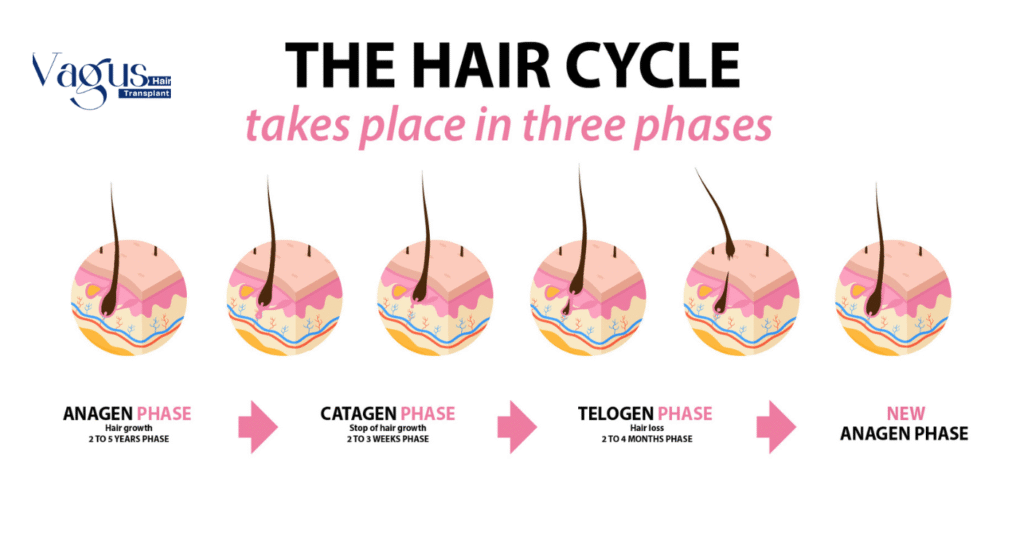
In the first month, most of the transplanted hair will begin to fall out. This is a natural part of the process known as shock loss, and it is completely normal. This shedding occurs because the transplanted hair follicles enter a resting phase before the new hair starts growing.
- Healing: The scalp will continue to heal, and scabs will fall off naturally within the first two weeks.
3 to 6 Months After Surgery: Early Signs of Growth
Around three months after the transplant, you may start seeing the first signs of new hair growth. This is a critical stage where:
- Hair growth begins: New hair will start to emerge, but it may be fine and soft initially.
- Thickening: The hair will gradually thicken over time, but it will be very fine at first and may appear sparse.
6 to 12 Months: Full Results and Final Growth
The final results typically appear around 6 to 12 months after the transplant. During this period:
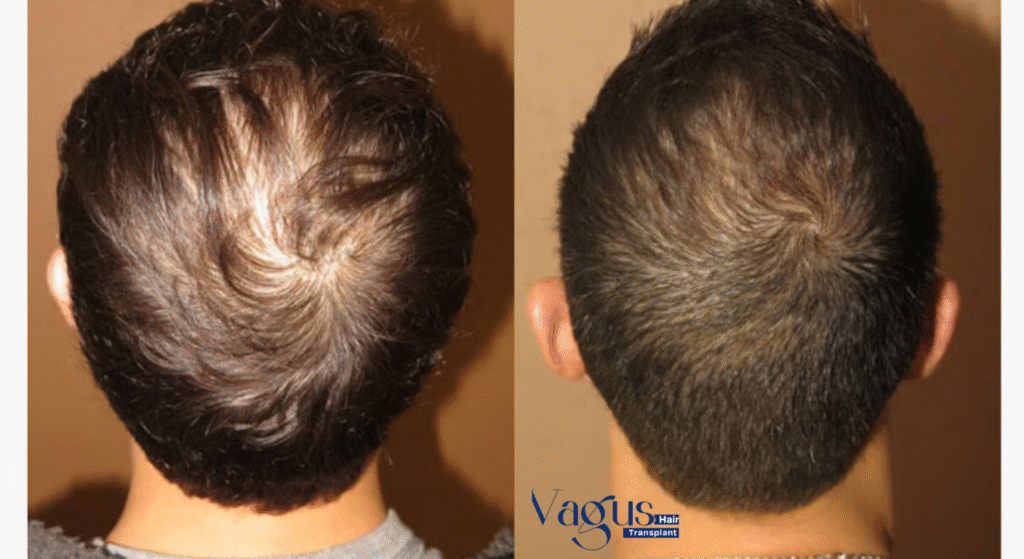
- Full hair growth: By the one-year mark, most patients see the full results of their transplant. The hair will be thicker and more robust.
- Blending with natural hair: Transplanted hair begins to blend seamlessly with your natural hair, making it difficult to distinguish between the two.
Factors That Affect Hair Growth After a Transplant
While the general timeline is predictable, several factors can influence how long it takes for transplanted hair to grow.
Age, Health, and Genetics
- Age: Younger patients may experience faster hair growth due to better overall health and improved recovery capabilities.
- Health: Your overall health can significantly impact your recovery and hair regrowth. If you have conditions like diabetes, poor circulation, or nutrient deficiencies, your healing time may be longer.
- Genetics: Genetics play a big role in the success of hair transplants. If you have a history of slow hair growth in your family, it may take longer for you to see full results.
Post-Operative Care and Its Impact on Growth
The care you provide your scalp post-surgery can affect the speed of recovery and hair regrowth. Following the aftercare instructions provided by your surgeon is essential to ensuring that the transplanted follicles heal properly and grow effectively.
- Gentle cleaning: Avoid scrubbing or harsh washing of the scalp.
- Avoiding sun exposure: Protect the scalp from direct sunlight, which can irritate the sensitive area.
- Medication: Some medications, like minoxidil, can help promote faster hair growth.
How to Speed Up Transplanted Hair Growth
While hair transplant recovery takes time, there are several ways you can enhance your hair growth:
Follow Your Surgeon’s Aftercare Instructions
Aftercare is essential to ensure the success of your transplant and stimulate hair regrowth. Be sure to:
- Follow cleaning protocols: Keep the transplant area clean without irritating it.
- Take prescribed medications: Follow your doctor’s recommendations for medications that promote hair growth, such as minoxidil or finasteride.
Nutrition and Lifestyle for Faster Growth
A healthy diet is key to hair growth. Focus on foods rich in:
- Biotin: Found in nuts, eggs, and fish, biotin helps promote hair growth.
- Iron: Ensure you’re getting enough iron from leafy greens and lean meats.
- Vitamins C and D: These vitamins help nourish hair follicles and improve the strength of your hair.
Medications and Treatments for Hair Growth
Certain treatments can speed up hair growth, including:
- Minoxidil: Applied to the scalp, minoxidil can stimulate hair growth.
- Platelet-rich plasma (PRP): PRP therapy, which uses your own blood platelets to promote healing, can also enhance hair growth.
Expert Recovery Tips for Successful Hair Growth
In addition to following your surgeon’s advice and taking care of your health, here are a few expert tips to ensure your transplanted hair grows successfully.
Protecting Your Transplanted Hair From External Factors
During recovery, it’s crucial to protect your newly transplanted hair from damage:
- Wear hats or scarves: Protect your scalp from the sun and pollutants.
- Avoid scratching: Resist the urge to scratch or pick at your scalp to prevent damage to the follicles.
Managing Stress for Healthier Hair
Stress is a major factor in hair loss, so managing stress is essential for a healthy recovery. Consider activities like:
- Yoga and meditation: These help reduce stress and promote relaxation.
- Sleep: Getting enough rest is vital for hair growth and recovery.
Frequently Asked Questions
When Will I See the First Signs of Hair Growth?
Most patients begin to see new hair growth about three months after the transplant, although it will be soft and fine initially.
Can I Speed Up the Growth of Transplanted Hair?
Following your surgeon’s aftercare instructions, maintaining a healthy diet, and using hair growth treatments like minoxidil can help speed up the process.
Why Does My Hair Fall Out After the Transplant?
Shedding of transplanted hair is normal during the first few weeks after the surgery and is a part of the hair’s natural growth cycle, known as shock loss.
Can I Expect My Transplanted Hair to Grow Exactly Like My Natural Hair?
Transplanted hair may grow differently than your natural hair due to factors like hair type and genetics, but over time it should blend seamlessly with the rest of your hair.
Conclusion
The growth timeline after a hair transplant varies from person to person, but most patients begin to see noticeable results within six months. By understanding the stages of hair growth and following proper aftercare, you can ensure the best results. Patience is key during this process, as it may take up to a year to see full growth.
Ready To Take Your Next Step
Ready to Restore Your Hair?
If you’re considering a hair transplant, schedule a consultation with Vagus Hair Transplant Clinic today. Our expert surgeons will guide you through the process and help you achieve a natural, full head of hair.