Low-Level Laser Therapy (LLLT), also known as cold laser therapy, is a non-invasive treatment that uses light to stimulate healing and reduce pain. It is widely used for pain relief, hair regrowth, skin rejuvenation, and muscle rehabilitation. This blog will explore how LLLT works, the conditions it treats, its effectiveness, benefits, safety, and more.
What is Low-Level Laser Therapy?
Low-Level Laser Therapy (LLLT) is a form of light therapy that uses specific wavelengths of light to treat a variety of health conditions. It is also referred to as cold laser therapy because it does not produce heat like high-intensity lasers. LLLT works by penetrating the skin with low-power lasers or light-emitting diodes (LEDs) to promote cellular repair, reduce inflammation, and improve circulation.
How Does LLLT Work?
LLLT stimulates the body’s cells by increasing cellular metabolism and activity in the mitochondria (the powerhouses of cells). When light is absorbed by the cells, it helps produce energy (ATP), which supports the healing process. This can lead to reduced inflammation, faster tissue repair, and pain relief.
Conditions Treated with Low-Level Laser Therapy
LLLT is a versatile therapy that can address various conditions. Below are some of the most common treatments:
Pain Relief and Inflammation Reduction
One of the primary uses of LLLT is to reduce pain and inflammation in conditions such as arthritis, back pain, and tendonitis. By stimulating the cells involved in inflammation, LLLT accelerates healing and reduces discomfort.
Hair Regrowth and Scalp Treatment
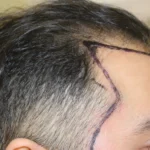
LLLT has shown promising results in treating hair transplant, particularly androgenic alopecia (male and female pattern baldness). The therapy stimulates hair follicles, promoting hair growth and improving scalp health.
Skin Rejuvenation and Wound Healing
LLLT has been used in aesthetic treatments to improve skin texture, reduce wrinkles, and treat conditions like acne and hyperpigmentation. It enhances collagen production, helping to rejuvenate the skin and heal wounds faster.
Muscle and Joint Rehabilitation
LLLT can also aid in the rehabilitation of muscles and joints by reducing muscle spasms, improving circulation, and accelerating recovery from injuries like sprains and strains.
How Effective is Low-Level Laser Therapy?
Scientific Evidence Supporting LLLT
Numerous clinical studies have demonstrated the effectiveness of LLLT in treating pain, inflammation, and promoting tissue healing. Research shows that LLLT can improve recovery times and reduce the need for pharmaceutical interventions.
What Research Says About Its Efficacy
Studies show LLLT’s potential in areas like hair regrowth, joint health, and chronic pain relief. While results vary by condition and individual, LLLT has been proven to be effective in promoting healing and improving the quality of life for many patients.
Success Stories and Real-World Applications
From athletes recovering from injuries to individuals experiencing chronic pain, many have reported significant benefits from LLLT. Real-world applications demonstrate how it has helped people reduce dependence on pain medications and improve their overall quality of life.
Benefits of Low-Level Laser Therapy
Non-Invasive Treatment Option
Unlike surgery or injections, LLLT is non-invasive, meaning no incisions or needles are used. It offers a gentle and effective treatment option for those seeking pain relief or aesthetic improvements without the risks of more invasive procedures.
Safe and Painless Procedure
LLLT is generally considered safe and is well-tolerated by most patients. The procedure is painless, and many patients describe the sensation as a mild, soothing warmth or tingling during treatment.
Quick Treatment Time with No Downtime
Treatment sessions are typically short, lasting between 10 to 30 minutes. Most patients can resume normal activities immediately after treatment, making it an excellent option for those with busy schedules.
Long-Term Benefits for Chronic Conditions
For chronic conditions like arthritis or back pain, LLLT can provide long-term relief by addressing the root causes of inflammation and promoting healing. It can be a valuable part of a comprehensive pain management strategy.
How Safe is low-level laser Therapy?
Potential Side Effects and Risks
LLLT is a low-risk therapy, but some people may experience mild side effects such as redness or irritation at the treatment site. Serious side effects are rare, especially when the therapy is administered by trained professionals.
Safety Guidelines and Precautions
While LLLT is generally safe, it’s essential to follow proper guidelines. People with light-sensitive conditions or certain medical conditions (like cancer) may not be suitable candidates for this therapy. Always consult with a healthcare provider before starting treatment.
Who Should Avoid LLLT?
Pregnant women, people with photosensitivity, and those with specific eye conditions should avoid LLLT or consult their healthcare provider for guidance.
What to Expect During a Low-Level Laser Therapy Session?
What Happens Before, During, and After Treatment
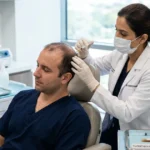
Before treatment, the area to be treated will be cleaned and prepared. During the session, the therapist will apply the laser or LED light to the affected area. There is no need for anaesthesia, and the treatment is generally painless. Afterwards, you can resume your normal activities immediately.
Number of Sessions Required
The number of sessions varies based on the condition being treated. For pain relief, patients may require 6-12 sessions, while hair regrowth treatments may need longer durations. The treatment plan will be tailored to each individual.
Expected Results and Recovery Time
Results from LLLT may take a few sessions to become noticeable. For hair regrowth, visible results may take several months. For pain or skin rejuvenation, improvements are often seen within the first few weeks.
How to Choose a Provider for Low-Level Laser Therapy
What Qualifications and Experience to Look For
When selecting a provider for LLLT, ensure they are licensed professionals with experience in laser treatments. Ask about their training, the type of equipment they use, and patient testimonials.
How to Ensure Safe and Effective Treatment
To ensure a positive outcome, choose a reputable clinic or medical spa. The provider should assess your condition thoroughly and develop a personalised treatment plan based on your needs.
Is Low-Level Laser Therapy Right for You?
Factors to Consider Before Starting Treatment
Before undergoing LLLT, consider factors such as your overall health, the severity of your condition, and any contraindications. Consulting with a healthcare professional will help you determine if LLLT is suitable for your needs.
How to Determine If LLLT Can Help Your Condition
If you suffer from chronic pain, hair loss, or skin issues, LLLT may be a beneficial treatment option. Speak with a doctor to assess your condition and explore whether LLLT is the right choice for you.
The Future of Low-Level Laser Therapy
Emerging Research and New Applications
LLLT continues to evolve, with ongoing research exploring its use for new applications such as mental health, brain regeneration, and even cancer treatment. As technology advances, new and exciting possibilities for LLLT are on the horizon.
Advancements in Technology and Treatment Methods
As LLLT devices become more advanced, the treatment becomes more effective, with improved light delivery systems and greater precision. These advancements will likely expand the use of LLLT in both medical and cosmetic fields.
Frequently asked questions
1. Is Low-Level Laser Therapy Safe?
Yes, LLLT is considered safe when administered by trained professionals. It has a few side effects, and most patients experience no pain during the procedure.
2. How Long Does It Take to See Results from LLLT?
The time to see results varies depending on the condition being treated. Hair regrowth can take several months, while pain relief may be noticeable within a few sessions.
3. Can Low-Level Laser Therapy Help with Hair Loss?
Yes, LLLT is an FDA-approved treatment for hair loss, particularly androgenic alopecia. It helps stimulate hair follicles, promoting regrowth.
4. How Often Should I Get Low-Level Laser Therapy?
The frequency of sessions depends on the condition. For hair regrowth, patients typically undergo treatment 2-3 times per week initially, with maintenance sessions thereafter.
5. What Are the Benefits of Low-Level Laser Therapy for Skin?
LLLT can improve skin texture, reduce wrinkles, and promote collagen production. It is often used for skin rejuvenation and acne treatment.
Low-level laser Therapy is a promising and non-invasive treatment option for a variety of conditions. Whether you’re seeking relief from chronic pain, looking to promote hair regrowth, or aiming to rejuvenate your skin, LLLT offers a safe and effective solution. Always consult with a qualified healthcare provider to determine if it’s the right treatment for you.
Ready to experience the benefits of Low-Level Laser Therapy? Start your journey to pain relief and improved healing!