Low-level laser therapy (LLLT) is an effective, non-invasive treatment for pain management, particularly for chronic pain, musculoskeletal issues, and inflammation. By stimulating cellular repair and enhancing tissue regeneration, LLLT offers a safer alternative to traditional pain relief methods, with minimal side effects. This therapy is applied to various conditions, including arthritis, nerve damage, and sports injuries, providing patients with long-term relief. This blog explores the science, applications, and benefits of LLLT for pain management.
Introduction
Low-level laser therapy is used for pain management as a non-invasive solution that accelerates healing and alleviates pain through the application of low-intensity lasers or light-emitting diodes (LEDs). Unlike traditional pain relief methods, such as medication or surgery, LLLT focuses on stimulating cellular processes to reduce inflammation, enhance tissue repair, and provide lasting relief from various types of pain. In this blog, we will delve into how LLLT works, its effectiveness, and why it has become a preferred treatment option for many individuals suffering from chronic and acute pain.
What is Low-Level Laser Therapy (LLLT)?
Low-level laser therapy (LLLT), also known as cold laser therapy, is a form of light therapy that uses low-powered lasers to treat a variety of conditions, particularly pain and inflammation. The energy emitted by the laser penetrates deep into tissues, promoting cellular repair and regeneration. LLLT is a safe, non-invasive procedure used to relieve pain, improve healing, and restore mobility without the need for surgery or medication.
Understanding the Basics of LLLT
LLLT is designed to use specific wavelengths of light that are absorbed by the tissues. The energy from the light stimulates cells, particularly in muscles, tendons, and ligaments, to increase their natural healing processes. This process can reduce swelling, improve circulation, and accelerate tissue repair, which ultimately helps to reduce pain.
The Science Behind Low-Level Laser Therapy
The light emitted by low-level lasers interacts with the cells’ mitochondria, which are the powerhouses of the cell. This interaction boosts cellular energy production, resulting in enhanced tissue repair, reduced inflammation, and increased blood flow to the affected area. By promoting these processes, LLLT helps to reduce pain and improve function in damaged tissues.
How Does Low-Level Laser Therapy Work for Pain Relief?
Low-level laser therapy is used for pain management by targeting the root cause of the pain—whether it’s inflammation, tissue damage, or nerve dysfunction. By stimulating the cells in the affected area, LLLT promotes healing, reduces swelling, and relieves pressure on nerve endings, all of which contribute to pain reduction.
The Mechanism of Action of LLLT
LLLT works by applying low-level light to the skin for rejuvenation or directly to injured tissues. The light penetrates the skin, stimulating the production of adenosine triphosphate (ATP) in the mitochondria, which enhances cellular metabolism. This process increases the rate of healing in the affected area and helps to alleviate pain.
Cellular Effects and Pain Reduction
LLLT’s cellular effects include the stimulation of collagen production, increased circulation, and the reduction of inflammatory markers. These factors combine to relieve pain and promote healing. It also helps in regenerating damaged cells, reducing the intensity of chronic pain, and preventing further damage to the tissue.
Why LLLT is Considered a Non-Invasive Treatment
Unlike surgery or injections, LLLT does not involve cutting the skin or introducing foreign substances into the body. It uses light to promote natural healing processes, making it a safe and non-invasive treatment option for pain management.
Related: What are Exosomes in Skincare
Conditions That Can Benefit from Low-Level Laser Therapy
Low-level laser therapy is used for pain management in various conditions, particularly those involving inflammation, tissue damage, and musculoskeletal pain. Some of the conditions that can benefit from LLLT include:
Chronic Pain Management
For individuals suffering from long-term pain, LLLT can be an effective way to manage symptoms without relying on medications. It works by reducing inflammation and improving blood flow, leading to reduced pain levels over time.
Musculoskeletal Pain and Injuries
Sports injuries, strains, sprains, and other musculoskeletal issues can benefit from LLLT, which accelerates healing and reduces swelling. By targeting the damaged tissue, LLLT helps to restore function and alleviate pain.
Joint and Arthritis Pain
LLLT is widely used to treat joint pain, particularly in conditions like osteoarthritis and rheumatoid arthritis. It helps to reduce inflammation in the joints, promoting improved mobility and lessening pain.
Neuropathic Pain and Nerve Damage
LLLT is also effective for neuropathic pain, a type of pain caused by nerve damage. It can help alleviate burning, tingling, and numbness by promoting nerve regeneration and reducing inflammation.
The Benefits of Low-Level Laser Therapy in Pain Management
LLLT offers several benefits that make it a popular choice for pain management:
Non-Invasive and Safe Treatment Option
LLLT is non-invasive, meaning it does not require surgery or injections. It is also considered safe for most individuals, with few risks or side effects.
Reduced Risk of Side Effects Compared to Medications
Unlike pain medications, which can have side effects like addiction or stomach issues, LLLT poses minimal risks and is well-tolerated by most patients.
Improved Healing and Tissue Regeneration
By stimulating cellular repair and regeneration, LLLT helps to heal tissues more quickly, reducing the overall time needed for recovery from injuries or surgeries.
What Does the Research Say About LLLT for Pain?
Scientific Studies and Evidence Supporting LLLT
Numerous studies have demonstrated the effectiveness of LLLT in pain management. Research has shown that LLLT can reduce pain, inflammation, and muscle tension in various conditions, including arthritis, sports injuries, and chronic pain disorders.
Success Rates and Clinical Trials
Clinical trials have reported high success rates in patients using LLLT for pain management. The therapy has been proven to be effective in reducing pain, improving function, and enhancing overall quality of life for many individuals.
Is Low-Level Laser Therapy Safe for Pain Management?
Possible Side Effects and Risks
LLLT is generally considered safe, with very few reported side effects. However, some individuals may experience mild skin irritation or sensitivity after treatment. It is essential to consult with a healthcare professional before starting LLLT to ensure it is the right treatment option.
When Should You Avoid LLLT?
LLLT should be avoided in certain situations, such as in individuals with photosensitivity, those who are pregnant, or those with active cancer. It is crucial to consult a healthcare provider to determine if LLLT is appropriate for your specific condition.
How Often Should You Use Low-Level Laser Therapy for Pain?
Treatment Frequency and Duration
The frequency and duration of LLLT sessions depend on the specific condition being treated and the severity of the pain. Typically, sessions last between 5 to 20 minutes and may be scheduled several times a week initially, with less frequent sessions as symptoms improve.
What to Expect During Each Session
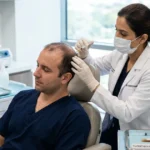
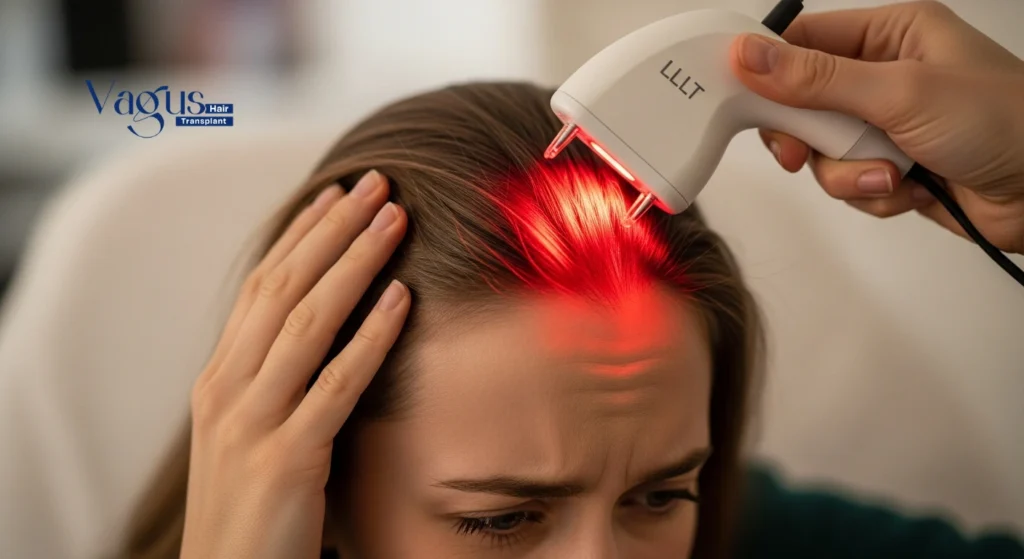
During an LLLT session, a therapist will apply the laser or LED device to the affected area. Patients may feel a slight warmth or tingling sensation, but the treatment is generally painless.
Success Stories and Testimonials of LLLT for Pain Management
Real-Life Case Studies and Outcomes
Many individuals have experienced significant pain relief through LLLT. Success stories include athletes recovering from sports injuries, individuals with chronic pain managing their symptoms without medication, and patients with arthritis experiencing improved mobility.
How Patients Have Benefited from LLLT Treatment
Patients who undergo LLLT treatment often report reduced pain levels, increased mobility, and improved quality of life. For chronic pain sufferers, LLLT offers a long-term solution to managing symptoms effectively.
Conclusion:
Low-level laser therapy is an effective, non-invasive treatment for managing pain, promoting healing, and reducing inflammation. While it may not be suitable for everyone, it offers a promising alternative for those looking for a drug-free solution to pain management. If you’re struggling with chronic pain, musculoskeletal injuries, or arthritis, LLLT may be the right option to explore.
Take the first step towards pain relief with Low-Level Laser Therapy!
Frequently Asked Questions
- What is low-level laser therapy used for?
Low-level laser therapy is used for managing pain, reducing inflammation, and promoting tissue healing in various conditions such as arthritis, sports injuries, and chronic pain. - Is LLLT safe for pain management?
Yes, LLLT is considered a safe and non-invasive treatment with minimal side effects. However, it is essential to consult with a healthcare provider to ensure it is appropriate for your condition. - How long does an LLLT session last?
Each session typically lasts between 5 to 20 minutes, depending on the area being treated and the severity of the condition. - Can LLLT help with arthritis pain?
Yes, LLLT is effective in reducing pain and inflammation associated with arthritis, improving joint mobility and overall function. - How many LLLT sessions are required to see results?
The number of sessions needed varies depending on the severity of the condition. Most patients begin to see improvements after several sessions, with fewer sessions needed as symptoms improve.