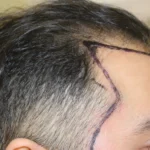
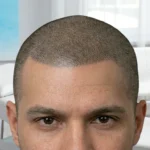
After a PRP (Platelet-Rich Plasma) injection, rest plays a vital role in promoting healing and ensuring optimal results. The recommended rest period varies depending on the type of PRP treatment, such as for hair restoration or joint therapy. Typically, you should rest for 24 to 48 hours after the procedure, avoiding strenuous activities. Following proper aftercare guidelines, including hydration and gentle movement, can significantly enhance the healing process and maximize the effectiveness of the treatment.
Introduction
When considering PRP injection aftercare, one of the key factors to ensure the success of the treatment is adequate rest. Whether you are undergoing PRP hair restoration or using PRP injections for joint pain, understanding how long you should rest after the procedure is essential for maximizing the healing process. While the general guideline is to take 24 to 48 hours of rest, it is important to follow specific instructions based on your individual treatment plan and recovery needs. The first few days are crucial for reducing side effects, enhancing healing, and promoting effective results. In this article, we will dive deeper into the rest requirements after a PRP injection and how this downtime contributes to successful outcomes.
Related; What is PRP Treatment.
What is PRP Treatment and How Does it Work?
The Basics of Platelet-Rich Plasma (PRP) Therapy
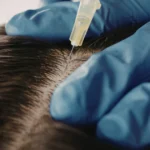
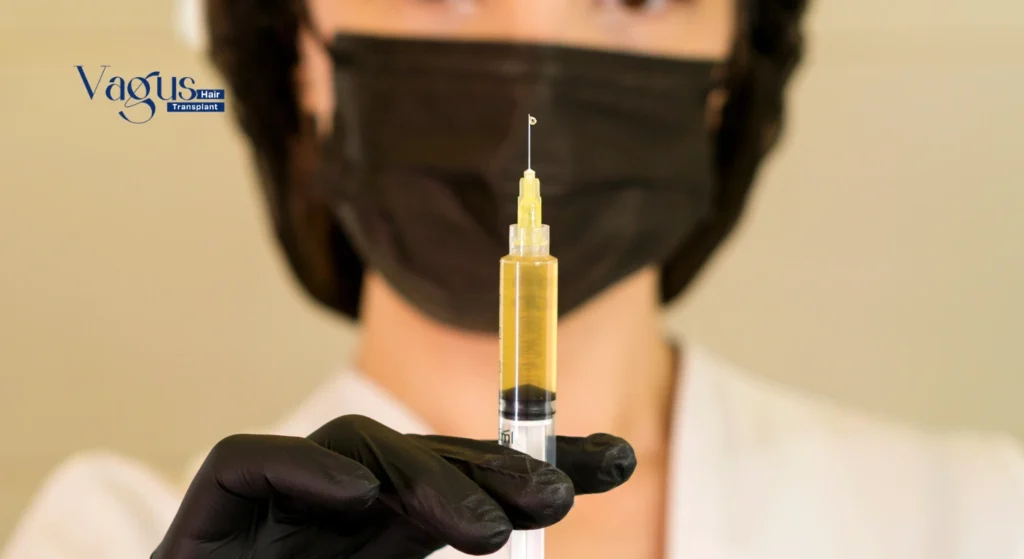
PRP therapy involves extracting a small sample of your blood, processing it to concentrate the platelets, and then injecting it back into the target area. These platelets contain growth factors that help stimulate tissue repair, hair regeneration, or collagen production, depending on the area treated.
How PRP Accelerates Healing and Promotes Hair Growth or Tissue Repair
PRP injections accelerate the healing process by promoting blood flow, stimulating cell regeneration, and increasing collagen production. This makes it effective for treating hair loss, joint pain, and other medical conditions requiring tissue repair.
How Long Should You Rest After a PRP Injection?
Recommended Rest Period for PRP Hair Treatment
After PRP hair transplant, it’s recommended to rest for at least 24 to 48 hours. During this period, refrain from physical activities that may cause strain on the treated area, such as intense exercise or lifting heavy weights. This rest period is essential to allow the plasma to effectively stimulate hair follicles and ensure optimal results.
Rest Guidelines for PRP Injections in Joint Therapy
For PRP joint injections, the rest period is similar. Patients should avoid activities like running, jumping, or intense exercise for at least 48 hours to minimize the risk of complications and promote proper healing. Depending on the area treated, your doctor may provide more specific recommendations.
The Benefits of Rest After PRP Injections
Enhanced Healing Process
Rest helps optimize the body’s natural healing mechanisms, ensuring that the PRP injections are absorbed effectively. It provides a conducive environment for tissue repair and regeneration.
Reduced Risk of Side Effects
Proper rest after PRP injections minimizes the chances of experiencing side effects such as swelling, bruising, or irritation. Taking it easy during the recovery phase allows the body to recover without unnecessary strain.
Maximizing the Effectiveness of the Treatment
Adhering to rest guidelines ensures the full benefits of PRP therapy are realized. Proper rest helps the platelets focus on healing the target area without interference from external factors like physical exertion.
Dos and Don’ts of Resting After PRP Injections
Dos: What to Do to Aid Recovery
- Hydration and Nutrition: Drink plenty of water to support tissue healing. Eat a balanced diet to provide the body with essential nutrients.
- Gentle Movement to Encourage Blood Flow: Engage in light activities such as walking to promote blood circulation and avoid stiffness.
Don’ts: What to Avoid After PRP Injections
- Strenuous Activities and Exercise: Avoid vigorous physical activities that could strain the treated area.
- Sun Exposure and Heat: Stay out of the sun and avoid hot showers, saunas, or hot tubs for a few days after the procedure to prevent irritation.
Can You Resume Normal Activities After the Rest Period?
Gradually Returning to Physical Activity
After the recommended rest period of 24 to 48 hours, you can gradually return to light physical activities. However, be cautious and listen to your body. If you experience discomfort or swelling, reduce the intensity of your activities.
When Can You Expect Full Recovery and Results?
While you may start seeing improvements within the first few weeks, full recovery and results from PRP injections may take several months. Hair growth or tissue repair progress varies from person to person.
Potential Side Effects and How to Manage Them
Common Side Effects After PRP Injections
- Swelling, bruising, and mild discomfort are common after PRP injections, especially in the first 24 to 48 hours.
- Rarely, infection or allergic reactions can occur.
How Rest Helps Minimize Side Effects
By resting, you give your body the best chance to heal and minimize side effects. Avoiding physical stress helps keep inflammation at bay and ensures the PRP treatment works effectively.
Additional Tips for Speeding Up Recovery After PRP
- Using Cold Compress for Swelling: Apply a cold compress to the treated area to reduce swelling and discomfort.
- Avoiding Smoking and Alcohol Consumption: Both smoking and alcohol can impair healing and slow down the recovery process.
Final Thoughts
Proper rest is a critical component of the recovery process after PRP injections. Following the recommended guidelines for rest, hydration, and avoiding strenuous activity ensures that the treatment delivers the best possible results. Rest is not only about recovery but also about maximizing the effectiveness of the PRP therapy, whether it’s for hair restoration or joint healing.
By understanding the significance of the rest duration after PRP treatment, patients can avoid common mistakes and enhance the overall success of their PRP treatment. With the right aftercare, you can look forward to positive, lasting results.
If you’re considering PRP therapy for hair restoration or joint healing, following proper rest and aftercare guidelines is essential to maximizing your results. Don’t skip the vital recovery steps!
Frequently Asked Questions (FAQs)
1. How long should I rest after a PRP hair restoration treatment?
After a PRP hair restoration procedure, it is generally recommended to rest for at least 24 to 48 hours. During this time, avoid intense physical activities such as running, heavy lifting, or strenuous exercise to allow your body to heal and the platelets to stimulate hair follicles effectively.
2. Can I resume my normal activities immediately after the 48-hour rest period?
While you can gradually return to light physical activities after the recommended rest period, it is important to listen to your body. If you experience discomfort or swelling, take it easy and avoid strenuous exercise until your body feels ready for more intense activities.
3. What should I avoid during the rest period after a PRP injection?
During the recovery period, it is important to avoid vigorous physical activities, excessive sun exposure, and hot environments such as saunas, hot tubs, or hot showers. These could potentially irritate the treated area and interfere with the healing process.
4. Are there any side effects after PRP injections?
Common side effects include mild swelling, bruising, and discomfort at the injection site, especially in the first 24 to 48 hours. Rarely, infections or allergic reactions may occur. Resting and following aftercare instructions can minimize these side effects and help ensure effective recovery.
5. How can I speed up recovery after PRP injections?
To speed up recovery, stay hydrated, eat a nutritious diet, and avoid smoking and alcohol, as these can impair healing. You can also apply a cold compress to reduce swelling and discomfort in the treated area.