The Complete Clinical Guide to Hair Transplant for Alopecia Areata
Expert insights for patients seeking definitive solutions at the best hair transplant clinics in Islamabad & worldwide
Hair transplant for alopecia areata has emerged as one of the most effective solutions for patients struggling with this unpredictable autoimmune hair loss condition. Alopecia areata causes sudden, distinctive hair loss in well-defined patches on the scalp and body, affecting over 2 million people in the United States alone and millions more worldwide. While conventional treatments focus on managing symptoms and attempting to slow hair loss progression, hair transplant for alopecia offers a revolutionary, permanent cosmetic solution that restores both hair density and the patient’s psychological well-being.
This comprehensive pillar page explores every dimension of hair transplant treatment for alopecia areata, from understanding the underlying autoimmune mechanisms to selecting the best hair transplant clinics, evaluating the cost of hair transplant for alopecia areata, managing recovery protocols, and achieving optimal aesthetic and psychological outcomes. Whether you’re a patient considering your treatment options, a family member seeking knowledge, or a medical professional requiring detailed clinical information, this extensively researched resource provides evidence-based guidance for informed decision-making.
The innovative approach of combining hair transplantation with ongoing dermatological management of the autoimmune condition represents the contemporary gold standard for comprehensive alopecia areata management. This pillar page details how modern surgical techniques, specifically designed donor-site selection protocols, and coordinated care with dermatologists ensure optimal long-term outcomes for even the most challenging alopecia areata presentations.
What is Alopecia Areata? Understanding the Autoimmune Condition
Definition and Pathophysiological Mechanism
Alopecia areata represents a non-scarring autoimmune disorder characterised by sudden, unexpected hair loss in well-defined, circular or oval patches, typically appearing on the scalp but capable of affecting any hair-bearing area of the body, including eyebrows, eyelashes, beard, and body hair. Unlike androgenetic alopecia (male and female pattern baldness), which results from genetic predisposition combined with hormonal sensitivity to dihydrotestosterone, alopecia areata stems from the body’s immune system mistakenly attacking and destroying hair follicles at their root.
The pathophysiological cascade begins when CD8+ T-lymphocytes and other immune cells infiltrate the hair follicle’s lower portion, specifically targeting the hair bulb and surrounding matrix cells. This immune attack disrupts normal anagen (growth) phase hair, forcing affected follicles into premature catagen and telogen (resting/shedding) phases. The inflammatory cascade involves multiple cytokines, including IFN-gamma, TNF-alpha, and IL-17, creating an inflammatory microenvironment hostile to normal hair growth.
Recent research has identified significant genetic associations, particularly with HLA (human leukocyte antigen) alleles, suggesting predisposition inheritance patterns. Environmental triggers, including stress, infections, and trauma, may initiate disease onset in genetically susceptible individuals.
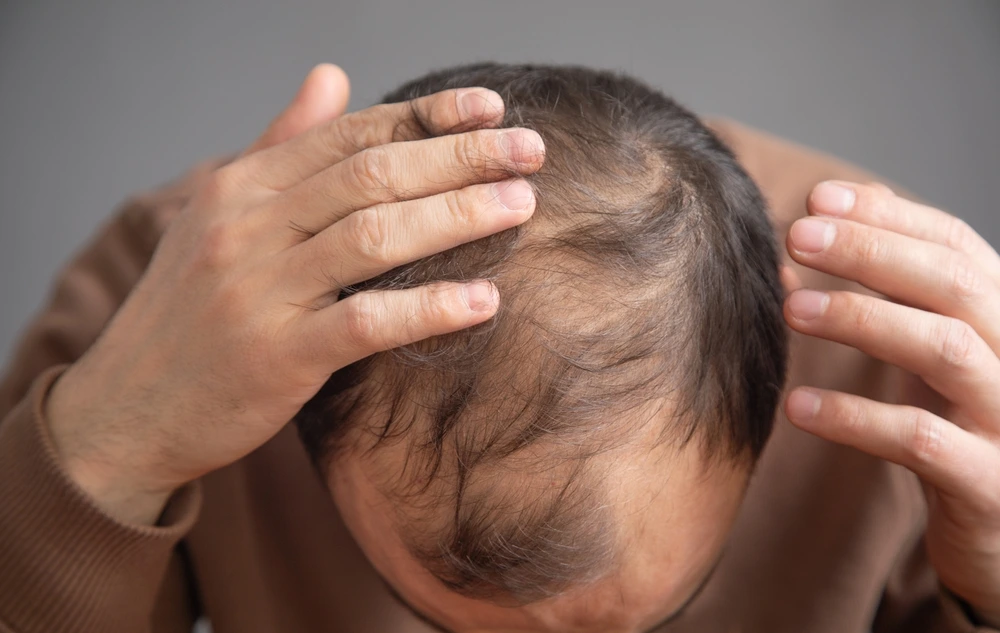
Key Statistics on Alopecia Areata:
Onset Age
60% before age 40
Average onset approximately 30 years; can occur at any age including children
Prevalence
1-2% of population
Affects men and women equally; no gender predilection
Familial Risk
10-25% family history
55% concordance in identical twins suggests genetic component
Spontaneous Recovery
30-50% experience recovery
15-20% progress to total baldness; unpredictable course
Clinical Characteristics and Diagnostic Features
Sudden Onset
Hair loss can progress quickly, with small patches becoming noticeable within 1–2 weeks. Many patients first detect it after observing unusual shedding during shampooing.
Well-Demarcated Patches
Distinctive round or oval bald areas with clearly defined borders, sharply delineated from surrounding normal hair. Borders remain well-demarcated even as disease progresses.
Exclamation Mark Hairs
Pathognomonic finding, short, broken hairs appearing thinner and often displaying lighter pigmentation at roots. Easily extracted upon gentle traction, indicating diseased follicles.
Smooth Scalp Surface
Unlike scarring alopecia, affected areas display a smooth, noninflammatory scalp surface without follicular apertures, a critical distinguishing feature.
Alopecia Areata Severity Classification
Localised Alopecia Areata
1-10 distinct patches affecting less than 50% of the scalp area. Most common presentation (~80% of cases). Generally more responsive to medical management and transplantation.
Alopecia Areata Multilocularis
Multiple coalescing patches affecting more than 50% of scalp. More severe presentation requiring comprehensive treatment planning and potentially staged transplant procedures.
Alopecia Totalis
Complete hair loss of the scalp (100% baldness). Most severe manifestation requiring extensive transplantation; it significantly impacts psychological well-being and treatment planning.
Alopecia Universalis
Complete body hair loss, including eyebrows, eyelashes, beard, and all body hair. Rarest form (~1% of alopecia areata cases); representsthe most challenging presentation for restoration.
Comparative Effectiveness and Limitations
Contemporary alopecia hair loss treatment encompasses multiple modalities, each with distinct mechanisms, efficacy profiles, and limitation profiles. A comprehensive understanding of available options enables informed patient decision-making and realistic expectation-setting.
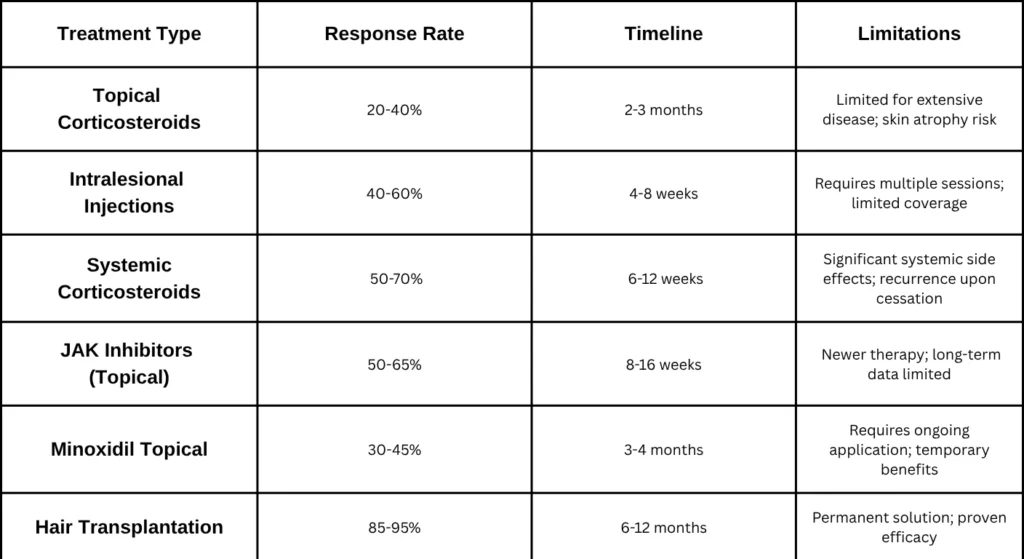
Hair transplant for alopecia represents the only treatment modality providing permanent restoration independent of ongoing medication or disease activity. While medical management may suppress disease and encourage regrowth in some patients, transplantation guarantees long-term coverage regardless of future disease progression.
Hair Transplant Procedures: FUT and FUE Techniques for Alopecia
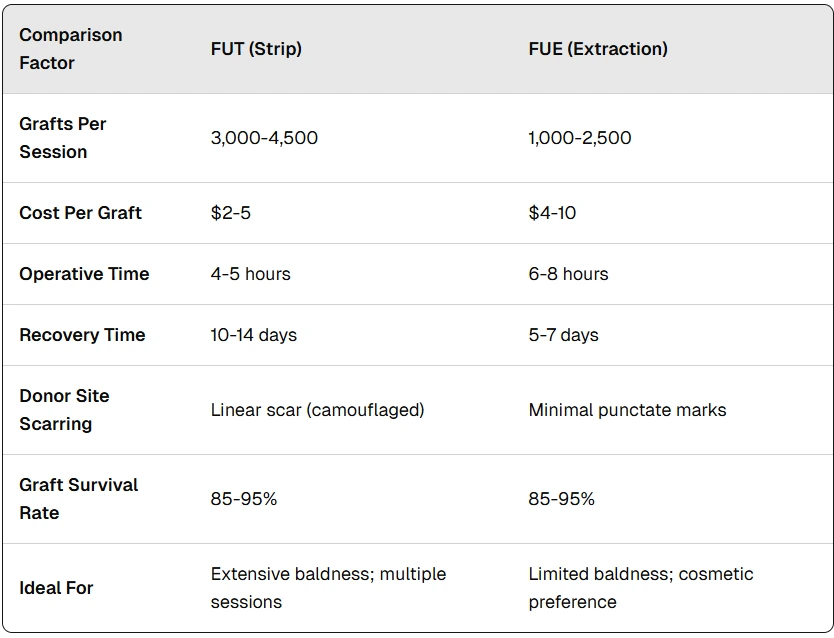
Modern hair transplant surgery offers two primary harvesting methodologies: FUT (follicular unit transplantation) and FUE (follicular unit extraction). Each technique demonstrates comparable graft survival and aesthetic outcomes while offering distinct advantages and considerations specific to alopecia areata presentations.
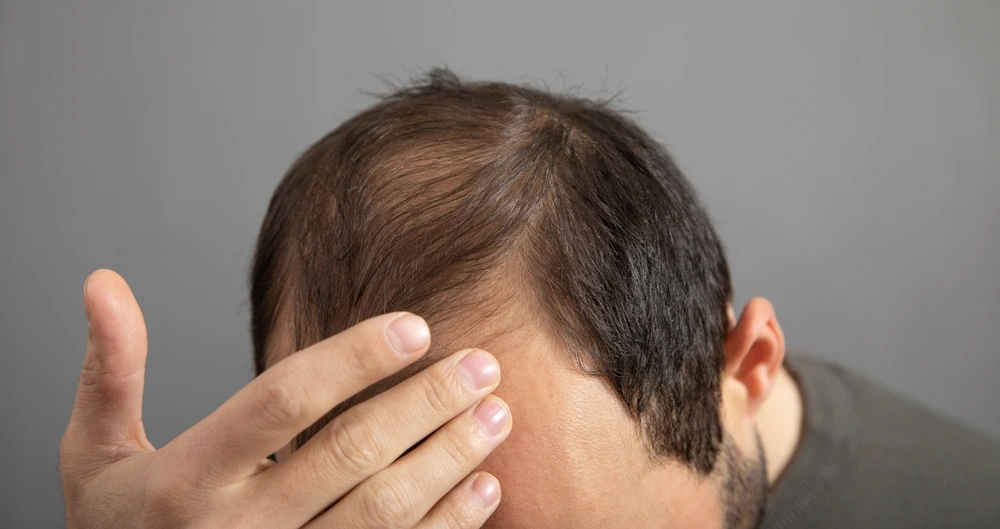
FUT (Strip Method) - Follicular Unit Transplantation
FUT, also known as strip harvesting, involves surgically removing a thin, linear strip of hair-bearing scalp from the donor area (typically posterior scalp) and dissecting individual follicular units under surgical magnification. For hair transplant for patchy alopecia, FUT offers distinct advantages: higher graft yield (3,000-4,000+ grafts per session) and superior cost-effectiveness, making it ideal for extensive baldness requiring multiple sessions.
The FUT procedure begins with the patient under local anaesthesia. The surgeon carefully marks and removes a strip measuring 0.5-1.0cm in height and 15-20cm in length. Advanced surgical techniques position the closure line within hair-bearing scalp or along the natural follicular flow, maximizing scar camouflage. Closed with fine sutures (typically absorbable), the donor site heals with minimal scarring when properly managed.
FUT Advantages for Alopecia:
✓ High graft yield (3,000-4,500 grafts per session)
✓ Lower cost per graft ($2-5 range)
✓ Ideal for multiple session protocols
✓ Excellent graft survival (85-95%)
FUE (Individual Extraction) - Follicular Unit Extraction
FUE (Follicular Unit Extraction) involves extracting individual follicular units directly from donor areas using specialised motorised punch instruments (0.7-1.0mm diameter), leaving microscopic punctate scars. Each extracted graft is immediately placed into precisely prepared recipient sites within alopecia patches, ensuring optimal graft placement for natural aesthetic results.
FUE requires substantially greater operative time (6-8 hours for 2,000 grafts vs. 4-5 hours for FUT) but offers the significant cosmetic advantage of scarless donor site healing, allowing patients to wear very short hairstyles without concern about visible scarring. This technique appeals particularly to patients concerned about donor site appearance or those experiencing progressive hair loss.
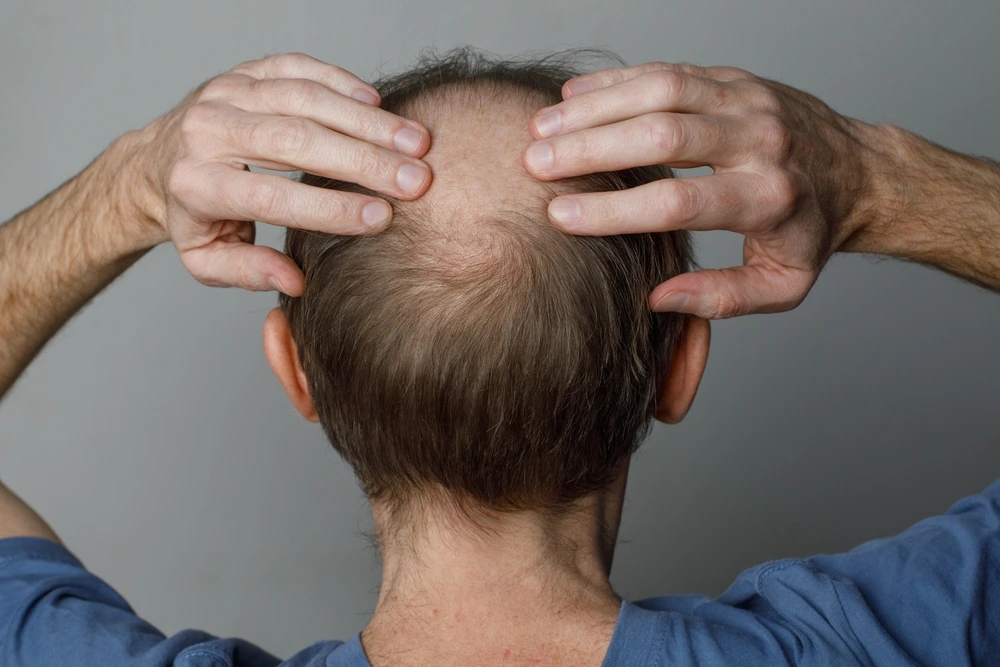
FUE Advantages for Alopecia:
✓ No linear donor scar (minimal punctate marks)
✓ Faster recovery (5-7 days vs. 10-14 days)
✓ Excellent natural results with proper placement
✓ Can wear short hair immediately post-op
FUT vs. FUE Comprehensive Comparison
Recovery and Post-Operative Care: Comprehensive Timeline
Immediate Post-Op (Days 1-7)
Visible redness, swelling, and oedema appear at the recipient and donor sites. Mild bleeding and crusting are normal. Avoid touching grafts, strenuous activity, and direct water on the recipient area.
Key Actions: Rest, pain management, infection prevention
Early Recovery (Weeks 2-4)
Scab formation peaks at days 7-10, appearing as white/yellowish crusts. Gentle shampooing begins on day 10-14 with prescribed antiseptic solutions. Itching increases significantly (positive sign of healing).
Key Actions: Gentle cleansing, mild itching management, light activities
Shock Loss (Weeks 4-12)
Transplanted hair initially sheds 2-4 weeks after surgery (completely normal). Existing non-transplanted hair also experiences temporary increased shedding. New growth initiates from week 8-12.
Key Actions: Expect hair loss, continue care protocol, maintain optimism
Progressive Growth (Months 2-12)
Visible improvement becomes apparent at 3-4 months as transplanted hairs grow. Progressive improvement continues monthly. Full, mature results typically become visible by month 10-12.
Key Actions: Continue normal care, monitor progress, maintain patience
Detailed Post-Operative Care Protocol
Shampooing Guidelines
→ Days 1-9: Avoid direct water on transplanted grafts
→ Days 10-14: Begin gentle shampooing with antiseptic solution
→ Weeks 3-4: Resume normal shampooing gently
→ Month 2+: Normal shampooing routine acceptable
Activity Restrictions
→ Days 1-7: Complete rest, no activities
→ Weeks 2-3: Light walking; avoid vigorous activity
→ Weeks 4-8: Gradual resumption of moderate exercise
→ Month 3+: Full activity resumption acceptable
Hair Transplant Results: Expected Outcomes and Success Metrics
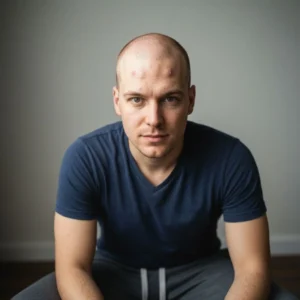

Key Success Metrics
✓ 85-95% Graft Survival Rate:
Transplanted follicles permanently establish and produce hair throughout the lifetime. Exceeds expectations for many patients experiencing total baldness restoration.
✓ Natural Hair Appearance:
Hair grows at correct scalp angles with colour, thickness, and texture matching existing hair. Observers cannot distinguish transplanted from native hair.
✓ Permanent Results:
No ongoing medication or treatment required. Results last throughout the lifetime, independent of alopecia areata disease activity.
✓ Progressive Improvement:
Hair density and aesthetic improvement progress monthly for 12 months. Continued refinement is possible up to 18 months.
Patient Satisfaction and Psychological Impact
Research consistently demonstrates that hair transplant for alopecia areata produces profound psychological benefits beyond mere hair restoration. Patients report significant improvements in self-confidence, social comfort, reduced anxiety in social situations, and improved quality of life. The permanence of results, eliminating uncertainty inherent in medical management, provides substantial psychological reassurance.
Studies measuring patient satisfaction reveal 90%+ satisfaction rates among alopecia areata patients undergoing transplantation, substantially higher than satisfaction with medical management alternatives. These benefits persist and increase over time as grafts mature and optimal results become established.
Cost of Hair Transplant for Alopecia Areata
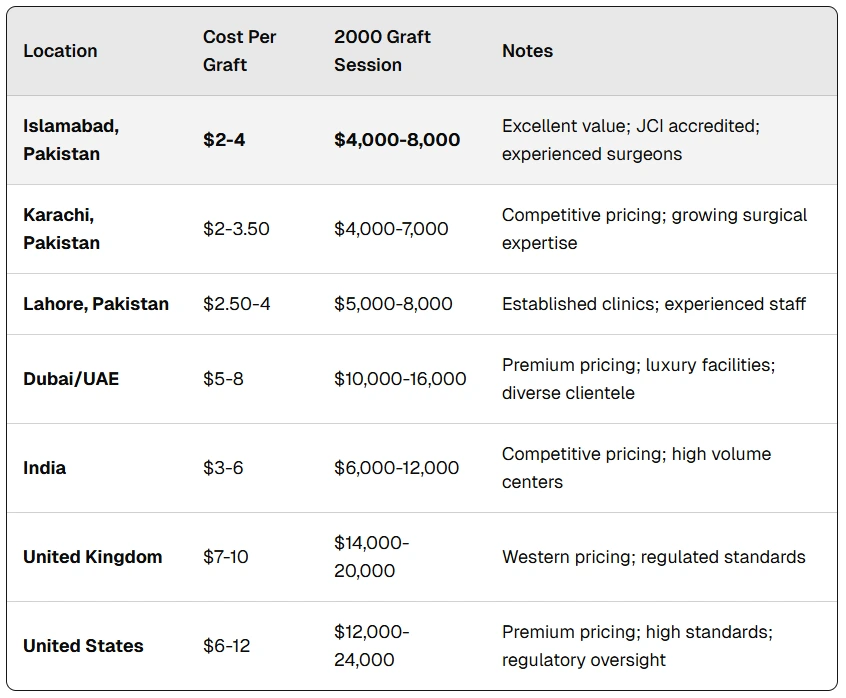
Hair transplant cost varies significantly based on geographic location, surgeon experience, facility accreditation, and required graft numbers. Understanding pricing structures and comparative values enables informed financial planning.
Hair Transplant in Islamabad: Pakistan's Premier Destination
Islamabad has emerged as Pakistan’s premier destination for hair transplant excellence, attracting both local and international patients seeking expert alopecia areata treatment. The capital city’s modern healthcare infrastructure, accredited medical facilities, and internationally trained surgeons position Islamabad as a leading destination for hair restoration throughout South Asia.
Leading hair transplant clinics in Islamabad feature JCI accreditation, advanced surgical equipment, rigorous infection control protocols, comfortable patient facilities, and comprehensive post-operative care. The competitive pricing structure, $2-4 per graft compared to $10+ in Western markets, enables patients to access world-class surgical expertise at exceptional value.
Islamabad’s strategic location, ease of international travel access, and cultural hospitality toward medical tourism patients further enhance the city’s appeal as a hair transplant destination. Many clinics offer comprehensive packages including accommodation assistance, local transportation, and dedicated patient coordinators.
Islamabad Hair Transplant Advantages:
● JCI-accredited medical facilities
● Internationally trained surgeons with Western certification
● 50-70% cost savings vs. Western countries
● Advanced technology and surgical equipment
● Comprehensive aftercare and follow-up support
● English-speaking staff and medical professionals
Best Hair Transplant Clinics for Alopecia Areata: Selection Criteria
Selecting the best hair transplant clinic requires a thorough evaluation of multiple factors beyond cost alone. The following criteria ensure the selection of facilities capable of delivering optimal alopecia areata treatment outcomes.
Surgeon Board Certification
ABHRS (American Board of Hair Restoration Surgery) certification ensures rigorous training, demonstrated competency examination passage, and ongoing professional education requirements. Board-certified surgeons maintain the highest standards.
Specialization in Alopecia Areata
Extensive specific experience with alopecia areata demonstrates a unique understanding of disease-specific challenges, donor-site selection protocols, and realistic expectation-setting for autoimmune hair loss.
Comprehensive Consultation
Thorough preoperative assessments, including medical history review, disease stability evaluation, and realistic expectation-setting, demonstrate quality and professionalism. Surgeons should discuss both possibilities and limitations.
Extensive Before/After Portfolio
Extensive photo galleries showing diverse alopecia areata cases, varied severity levels, donor characteristics, and ethnic backgrounds demonstrate proven expertise, technique mastery, and quality.
Verified Patient Testimonials
Detailed reviews from alopecia areata patients with documented before/after photos provide genuine insights into satisfaction, realistic results quality, and patient experience. Independent review verification ensures authenticity.
Multidisciplinary Care Coordination
Collaboration with dermatologists managing underlying autoimmune conditions provides comprehensive care coordination. Facilities offering integrated care deliver superior outcomes and holistic patient management.
Additional Quality Indicators:
Facility Standards
✓ JCI accreditation
✓ ISO 15189 laboratory certification
✓ Modern surgical equipment
✓ Rigorous infection control
Patient Support Services
✓ Pre-operative consultation thoroughness
✓ Detailed post-op care instructions
✓ Follow-up appointment scheduling
✓ Emergency contact availability
Life-Transforming Solutions Await
Hair transplant for alopecia areata represents a transformative treatment option for patients struggling with this unpredictable autoimmune condition. By transcending medical management limitations to provide permanent, natural-looking hair restoration, hair transplant procedures delivered by experienced surgeons at best hair transplant clinics restore not only hair density but patient confidence, social comfort, and quality of life. The clinical evidence overwhelmingly supports transplantation as the gold standard for comprehensive alopecia areata restoration.
Comprehensive understanding of the condition, thorough evaluation of available treatment options, and careful selection of clinics with specialised alopecia areata expertise ensure optimal outcomes and lasting patient satisfaction. The cost of hair transplant for alopecia areata represents a meaningful investment, yet the permanence and life-long benefit of results provides genuine long-term value compared to indefinite medication expenses. Particularly for patients choosing Islamabad clinics, exceptional international standards combine with remarkable cost-effectiveness.
The integration of surgical hair restoration with ongoing dermatological management of autoimmune disease represents contemporary best practice. Patients benefit from dual therapeutic approaches, transplantation providing guaranteed coverage while medical management addresses native follicle disease. This comprehensive, multidisciplinary approach delivers superior long-term psychological and aesthetic outcomes.
Connect with Experienced Hair Transplant Specialists in Islamabad, Pakistan.
Take the first step toward permanent alopecia areata restoration today.