Platelet Rich Plasma (PRP) therapy is a promising and non-surgical treatment for hair loss. It works by utilizing the body’s own growth factors to stimulate hair follicles and promote hair regrowth. Many people turn to PRP therapy for hair restoration when other treatments have proven ineffective. This blog explores how PRP therapy works, what to expect during treatment, its effectiveness, potential side effects, and who is an ideal candidate for this treatment.
Does Platelet Rich Plasma Therapy Work for Hair Loss?
Platelet Rich Plasma (PRP) therapy is a revolutionary non-surgical treatment for hair loss that has gained popularity in recent years. If you’re wondering, does platelet rich plasma therapy work for hair loss, the answer is that it can be a highly effective option for many people struggling with hair thinning or baldness. In fact, PRP therapy for hair loss has shown promising results in stimulating natural hair growth by using your own blood to rejuvenate hair follicles. This procedure is especially beneficial for individuals seeking a minimally invasive solution to hair restoration without the need for surgery.
In this article, we’ll explore how PRP therapy works for hair loss, its benefits, what to expect from the treatment process, and much more. Whether you’re considering PRP as a potential treatment or just curious about its effectiveness, keep reading for a detailed overview.
What is Platelet Rich Plasma (PRP) Therapy?
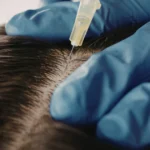
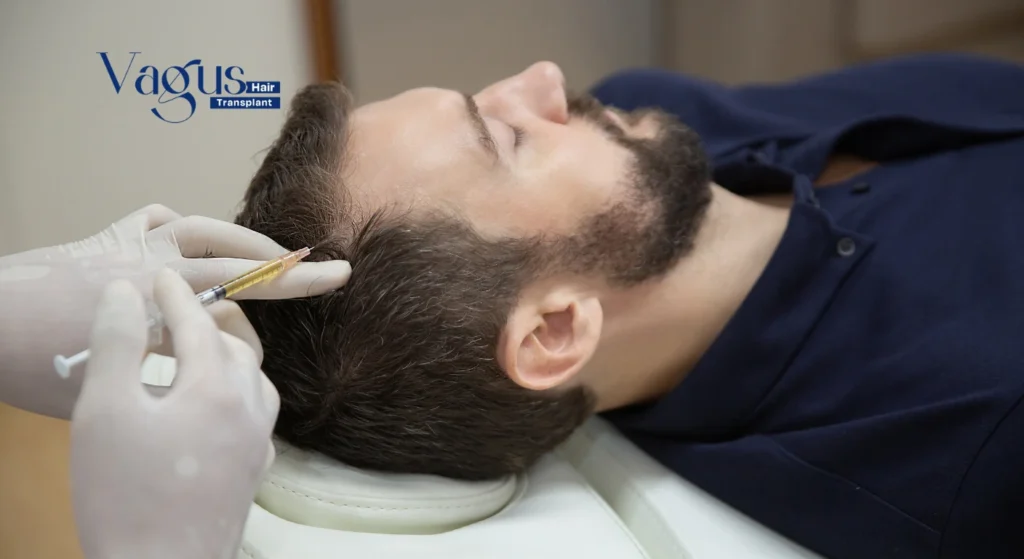
PRP therapy involves using a concentrated form of the patient’s own blood, which is rich in platelets and growth factors, to encourage hair regrowth. During the procedure, blood is drawn from your arm, processed in a centrifuge to isolate the plasma, and then injected into areas of the scalp with thinning or no hair. The platelets in the PRP are known to stimulate hair follicles, promoting new hair growth and improving hair density.
How PRP Therapy is Used for Hair Loss Treatment
PRP has been used for various medical and cosmetic procedures, with one of the most popular applications being for hair restoration. PRP therapy is used as an effective treatment for both men and women who are dealing with hair loss due to various conditions, including male pattern baldness, female pattern hair loss, and alopecia areata.
Understanding Hair Loss
Hair loss is a common issue that affects millions of people worldwide. It can be caused by a variety of factors such as genetics, hormonal changes, poor diet, stress, and medical conditions. The most common type of hair loss is androgenic alopecia, also known as male and female pattern baldness, which is largely influenced by genetics.
Common Causes of Hair Loss
- Genetic Factors: Family history plays a significant role in pattern baldness.
- Hormonal Imbalances: Conditions like pregnancy, menopause, or thyroid disorders can lead to hair thinning.
- Nutritional Deficiencies: Lack of essential nutrients like iron, vitamin D, and biotin can affect hair health.
- Stress: Physical or emotional stress can trigger hair loss.
Understanding the root cause of your hair loss is key to determining the best treatment method.
Why Traditional Treatments May Not Work for Everyone
Many individuals try over-the-counter products or medications like minoxidil or finasteride, but these treatments don’t work for everyone and may require ongoing use to maintain results. Additionally, these treatments can have side effects, and some people may not see the desired results. PRP therapy offers a promising alternative for those who have not responded well to other treatments.
How Does PRP Therapy Work for Hair Loss?
The Science Behind Platelet Rich Plasma Therapy
PRP works by injecting a high concentration of platelets, which contain growth factors that promote healing and tissue regeneration. When injected into the scalp, these platelets stimulate hair follicles that are dormant or shrinking, helping them regrow and become thicker.
PRP Injections: How They Stimulate Hair Growth
The Platelet Rich Plasma injections encourage the body’s natural healing process and enhance the circulation to the hair follicles. This stimulates the follicles, encouraging them to produce thicker, healthier hair. In clinical studies, PRP therapy has been shown to be effective in increasing hair count, thickness, and overall hair density.
Benefits of PRP Therapy for Hair Loss
Non-Surgical Treatment Option
PRP therapy is a minimally invasive procedure that doesn’t require any incisions or stitches, making it a safe and effective option for those looking to avoid surgery.
Minimal Downtime and Fast Recovery
Since Platelet Rich Plasma therapy is a non-surgical procedure, the recovery time is minimal. Most patients can return to their normal activities within 24 to 48 hours after the procedure.
Safe and Natural Treatment
Since PRP uses your own blood, the risk of allergic reactions or side effects is minimal, making it a safe and natural alternative to other hair loss treatments.
What to Expect During a PRP Therapy Session
Step-by-Step PRP Hair Restoration Process
- Blood Draw: A small amount of blood is drawn from your arm.
- Centrifugation: The blood is processed in a centrifuge to separate the plasma from other components.
- Injection: The PRP is injected into areas of the scalp with thinning hair.
Pain Management and Comfort During the Procedure
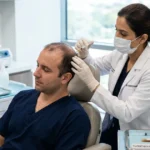
PRP injections are typically well-tolerated, and a local anesthetic is often used to numb the treatment area for added comfort during the procedure.
Effectiveness of PRP for Hair Loss
Clinical Evidence and Success Rates
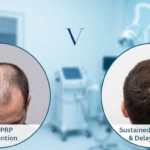
Numerous studies have shown that PRP therapy can effectively promote hair regrowth, particularly in patients with androgenic alopecia or thinning hair. In a clinical trial, 70% of patients saw improved hair density and thickness after three months of PRP therapy.
How Long Does It Take to See Results?
Results can vary, but most patients start to notice improvements in hair growth after 3 to 6 months of treatment. Full results may take up to a year.
Is PRP Therapy Effective for All Types of Hair Loss?
PRP is most effective for people in the early stages of hair loss or those with thinning hair. It may not be as effective for individuals with extensive baldness or scarring alopecia.
Potential Side Effects of PRP Therapy
Common Side Effects
Some common side effects include mild swelling, redness, or bruising at the injection site. These symptoms typically resolve within a few days.
Rare but Serious Risks to Be Aware Of
Although rare, infections or allergic reactions can occur. It’s essential to consult with a trained professional to minimize risks.
Who is a Good Candidate for PRP Hair Treatment?
Ideal Candidates and Expectations
PRP therapy is ideal for individuals with mild to moderate hair loss who are looking for a non-surgical solution to promote hair regrowth.
Who Should Avoid PRP for Hair Loss?
People with blood disorders, active scalp infections, or those who are pregnant should avoid PRP therapy.
Cost of PRP Therapy for Hair Loss
How Much Does PRP Hair Restoration Cost?
The cost of PRP therapy varies depending on the clinic, location, and number of sessions required. On average, the cost ranges from $1,500 to $3,500 per session.
Factors That Affect the Cost of PRP Treatment
- Number of sessions required
- Clinic reputation and location
- Additional treatments or services bundled with PRP
Alternatives to PRP Therapy for Hair Loss
Other Treatment Options for Hair Regrowth
- Hair Transplants: A surgical option that involves moving hair follicles from one part of the scalp to another.
- Minoxidil: A topical treatment that promotes hair growth.
- Finasteride: A prescription medication that can help slow hair loss.
How PRP Compares to Other Hair Loss Solutions
Unlike medications or transplants, PRP is a natural, non-invasive treatment that uses your own blood, reducing the risk of side effects.
Final Thoughts
PRP therapy is a promising solution for individuals dealing with hair loss, especially those looking for a non-surgical, safe, and effective treatment. While it may not work for everyone, many people experience noticeable results in terms of hair regrowth and thickness after a few months of treatment.
If you’re struggling with hair loss and looking for a safe, non-surgical solution, Platelet Rich Plasma (PRP) therapy may be the answer. Don’t wait any longer to restore your hair and boost your confidence!
Frequently Asked Questions
1.How Many Sessions of PRP Therapy Are Needed for Hair Loss?
Typically, 3 to 4 sessions spaced about 4 to 6 weeks apart are recommended for optimal results.
2.Can PRP Therapy Be Combined with Other Hair Treatments?
Yes, PRP therapy can be combined with other treatments such as minoxidil or hair transplants to enhance results.
3.Does PRP Therapy Work for Receding Hairlines?
PRP therapy can be effective for receding hairlines, especially when the hair loss is in the early stages.
4.How Long Do the Results of PRP Therapy Last?
The results of PRP therapy can last up to a year or more, but maintenance sessions are recommended to sustain hair growth.
Ready to Take the First Step Towards Hair Regrowth?