The complete guide to hair transplant for bald patches
proven results, minimal recovery, permanent solution
Are bald patches affecting your confidence? Whether caused by male pattern baldness, stress, or injury, hair transplant for bald patches is a proven, permanent solution for men seeking natural hair restoration.
This comprehensive guide explores how modern hair transplant techniques like FUE for bald spots can restore your hairline with minimal scarring and quick recovery times. You’ll discover realistic timelines, detailed cost breakdowns, expert perspectives, and actionable steps to determine if hair transplant is right for you.
Understanding Hair Loss & Bald Patches in Men
What Are Bald Patches? Definition & Characteristics
Bald patches are localised areas of the scalp where hair has stopped growing, resulting in visible bare skin. These patches can appear suddenly or develop gradually over time. They vary in size, shape, and location on the scalp, and can significantly impact appearance and self-confidence.
Unlike gradual hair thinning, bald patches often create distinct, noticeable areas of hair loss that are difficult to conceal with styling or makeup alone

Common Causes of Bald Patches in Men
Male Pattern Baldness (Androgenetic Alopecia)
The most common cause accounts for 95% of hair loss in men. Results from genetic sensitivity to DHT hormone can appear at any age.
Alopecia Areata
An autoimmune condition where the body attacks hair follicles, causing sudden, round patches of hair loss. Can affect anyone regardless of age.
Traction Alopecia
Hair loss caused by constant tension or pulling from tight hairstyles, hats, or hair treatments. Often occurs at the hairline and temples
Fungal Scalp Infections (Tinea Capitis)
Ringworm or other fungal infections can cause circular patches of hair loss with scaling and inflammation.
Stress-Induced Hair Loss (Telogen Effluvium)
Physical or emotional stress can trigger hair to enter the shedding phase prematurely, causing diffuse hair loss or patches.
Trichotillomania
Hair-pulling disorder that results in noticeable bald patches. More common in people experiencing anxiety or stress.
Why Bald Patches Impact Men's Confidence & Self-Esteem
Hair loss, especially in the form of visible bald patches, can have profound psychological effects. Studies show that men experiencing hair loss often report reduced self-confidence, social anxiety, and even depression. The emotional impact extends beyond appearance it affects professional interactions, dating confidence, and overall quality of life. This is why seeking effective treatment solutions early can be transformative for both appearance and mental well-being.
Understanding Hair Transplant Solutions for Bald Patches
How Hair Transplants Work: The Science Behind Hair Restoration
Hair transplantation is based on a simple but effective principle: healthy hair follicles from areas genetically resistant to hair loss (typically the back and sides of the scalp) are harvested and transplanted to balding areas. These transplanted follicles retain their genetic characteristics and continue to grow permanently in their new location.
Key Scientific Facts:
- Genetic Resistance: Hair from the donor area is resistant to DHT (the hormone responsible for male pattern baldness)
- Permanent Results: Transplanted hair maintains its original characteristics and grows for life
- Natural Integration: Hair grows at the same rate and angle as native hair in the recipient area
- Graft Survival: Modern techniques achieve 90%+ graft survival rates
Who Is a Good Candidate for Hair Transplant?
- Ideal Candidate Checklist:
Stable hair loss pattern (not rapidly progressing) - Sufficient donor hair availability
- Good overall health with realistic expectations
- Financially able to afford the procedure
- Commitment to post-operative care and maintenance
Hair Transplant Techniques for Bald Patches

FUE (Follicular Unit Extraction)
FUE is the most advanced and popular hair transplant technique, particularly effective for bald patches. Individual hair follicles are extracted directly from the donor area using precision micro-punch tools (0.7-1.2mm), leaving virtually undetectable scarring.
How FUE Works: Step-by-Step
1. Donor Area Preparation: The back/sides of the scalp are shaved and numbed with local anaesthesia
2 . Individual Extraction: Micro punches extract individual follicular units containing 1-4 hairs
3. Graft Preparation: Extracted grafts are carefully inspected and prepared under magnification
4. Recipient Site Design: Surgeon creates precise incisions matching natural hair growth patterns
5. Graft Implantation: Prepared grafts are carefully placed into recipient sites
FUE Success Rate: Over 90% with proper aftercare | Scarring: Minimal, virtually undetectable | Recovery: 7-10 days
FUT (Follicular Unit Transplantation) / FUT
FUT, also known as the strip method, is a widely used hair transplant technique that involves removing a thin strip of scalp tissue from the donor area, typically from the back or sides of the head. This strip of tissue is then carefully dissected into individual follicular grafts under a microscope. The main advantage of FUT is its ability to cover larger areas in one session, making it ideal for patients with significant hair loss. Additionally, FUT allows for a high number of grafts to be transplanted in a single procedure, which can lead to more natural-looking results.
However, one of the drawbacks of the FUT method is that it typically leaves a linear scar in the donor area. This scar can be visible, especially if the patient has short hair. While the scar can often be concealed with longer hair, it may be a concern for individuals who prefer to wear their hair short. Despite this, many patients opt for FUT because it offers a higher graft yield per session compared to other methods, such as FUE, and provides effective results for those seeking to restore a fuller head of hair.

FUT Advantages:
• Can harvest more grafts per session
• Slightly lower cost than FUE
• Good for extensive baldness
FUT Disadvantages:
- Linear scar at the donor site
- Longer healing time
- More post-op discomfort
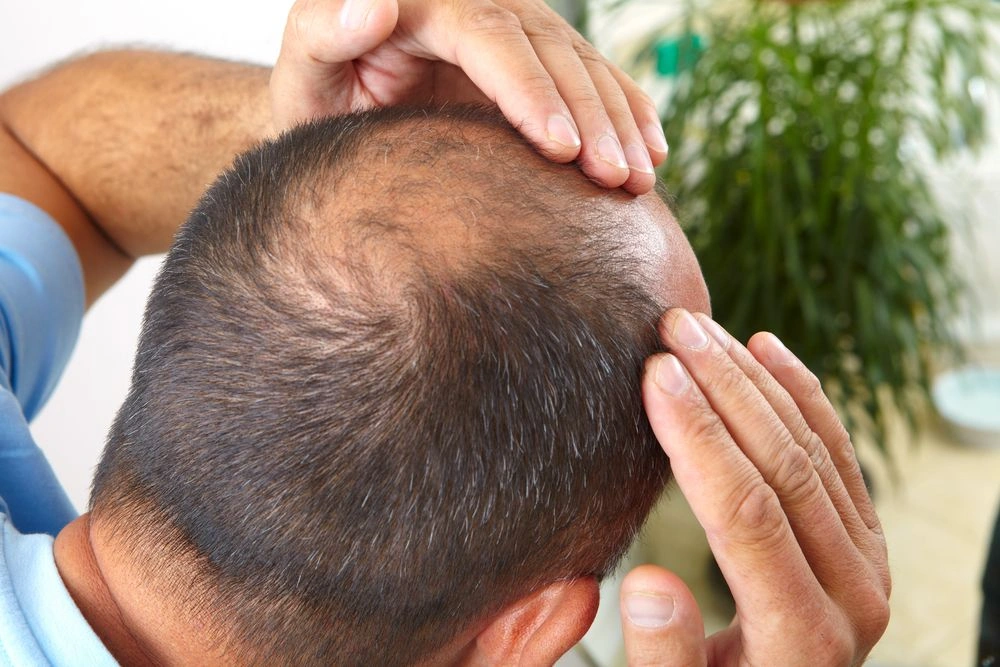
FUE vs FUT: Detailed Comparison for Bald Patch Treatment
| Aspect | FUE | FUT |
|---|---|---|
| Scarring | Minimal, dot-like, easily hidden | Linear scar, needs longer hair |
| Recovery Time | 7-10 days | 2-3 weeks |
| Cost | Higher | Lower |
| Grafts Per Session | 1,000-3,000 | 2,000-4,000 |
| Best For | Bald patches, visible scarring concerns | Large bald areas |
The Hair Transplant Procedure: What to Expect
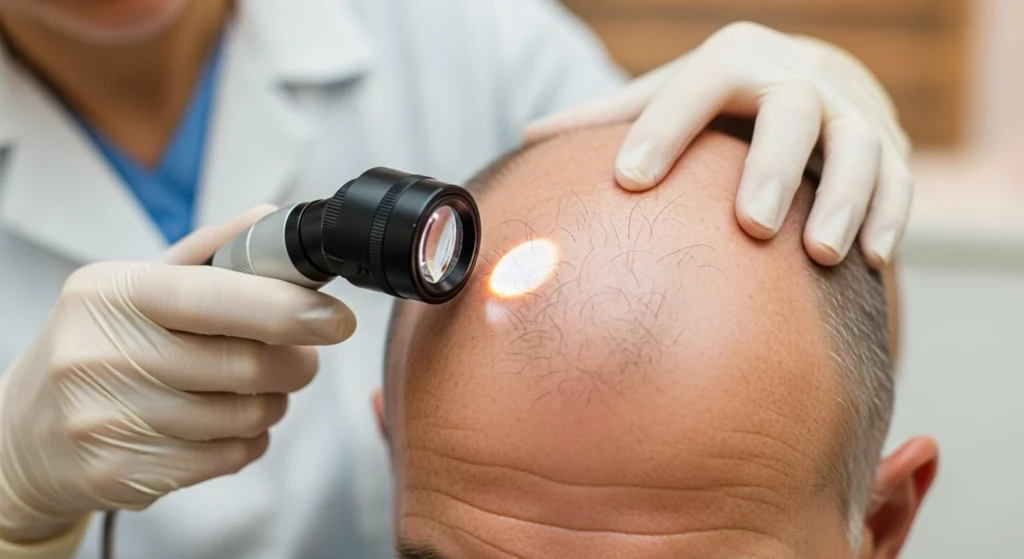
Pre-Operative Consultation & Planning
Your journey begins with a comprehensive consultation where your surgeon assesses your hair loss pattern, evaluates donor area viability, and designs your ideal outcome.
1. Medical History Review:
Complete assessment of health, medications, and previous surgeries
2. Scalp Assessment:
Detailed examination of hair loss pattern, density, and quality
3. Hairline Design:
Collaborative design of your new hairline, considering age and facial features
4. Realistic Expectations:
Honest discussion of achievable results and timeline
Pre-Surgery Preparation Checklist
Two Weeks Before Surgery:
✗.Avoid blood thinners (aspirin, ibuprofen, vitamin E)
✗.Stop smoking and limit alcohol consumption
✗.Avoid sun exposure on the scalp
✓.Get adequate sleep and maintain a healthy diet
Pre-Surgery Preparation Checklist
Day of Surgery:
✓.Wear comfortable, loose-fitting clothing
✓.Bring a designated driver or arrange transportation
✓.Eat a light breakfast and stay hydrated
The Day of Surgery: Timeline & Experience
A typical hair transplant procedure takes 6-8 hours. Here’s what you can expect:
30 min
Check-in & Preparation
Vitals checked, final consent, anesthesia introduction
15 min
Anesthesia Administration
Local anaesthesia applied to donor and recipient areas (painless)
2-3 hrs
Donor Area Harvesting
Individual follicles extracted using micro punches
1-2 hrs
Graft Preparation
Extracted grafts sorted and prepared under magnification
2-3 hrs
Recipient Site Preparation & Implantation
Precise incisions created, grafts implanted with care
30 min
Dressing & Recovery
Bandages applied, post-op instructions reviewed
First 24 Hours: What to Expect
- Minimal Pain: You’ll feel pressure during surgery, but not pain due to anaesthesia
- Swelling: Slight swelling is normal and peaks around day 2-3
- Crusting: Small crusts form around grafts; do not pick or disturb them
- Avoid Touching: Keep your hands away from the transplanted area for the first 24 hours
Recovery Timeline: Week-by-Week Expectations
Days 1-3: Immediate Post-Op Phase
What to Expect:
- Take prescribed pain medication as needed
- Apply ice packs to the forehead to reduce swelling (20 min on, 20 min off
- Sleep with your head elevated on 3-4 pillows
- Avoid touching, scratching, or disturbing grafts
- Wear protective bandaging as instructed
Symptoms: Mild discomfort, swelling, numbness
Week 1: Early Recovery
What to Expect:
- Gentle hair washing can begin (day 5-7 with surgeon approval)
- Use baby shampoo and lukewarm water only
- Continue pain management if needed
- Begin light activities (walking, desk work)
- Avoid strenuous exercise and heavy lifting
Symptoms: Continued swelling, crusting around grafts, itching
Weeks 2-4:The Shedding Phase (Shocking Loss)
- What to Expect:
Expect transplanted hair to fall out (this is NORMAL) - Continue gentle scalp care
- Begin light exercise if cleared by the surgeon
- Avoid hats and direct sun exposure
- Stay patient, hair will regrow
Symptoms: Hair shedding (normal part of recovery), reduced swelling
Weeks 5-12: Early Growth Phase
- What to Expect:
Continue normal hair care routine - Resume all normal activities and exercise
- New hair begins to appear (fine, thin initially)
- Continue any prescribed medications (finasteride)
- Protect new growth with gentle handling
Symptoms: New hair emerging, continued grooming of native hair
Months 3-6:Visible Improvement
What to Expect:
- Noticeable hair growth acceleration
- Hair density and thickness are increasing
- Transplanted hair blending with native hair
- Confidence returning as results show
- Maintain healthy scalp care habits
Symptoms: Growing confidence, visible results emerging
Months 6-12: Full Results Timeline
What to Expect:
- Approximately 100% results are visible by 12 months
- Hair quality matches the surrounding native hair
- Natural appearance fully achieved
- Can style hair as desired
- Schedule a follow-up with the surgeon if needed
Symptoms: Complete satisfaction with results
Post-Operative Care & Aftercare Guidelines
Hair Washing & Scalp Care
Step-by-Step Gentle Washing Technique:
1.Wait Until Day 5-7
Do not wash the transplanted area for the first week
2. Use Lukewarm Water
The temperature should be comfortably warm, not hot
3. Apply Prescribed Shampoo
Use the recommended special shampoo provided by the clinic
4.Gentle Pour Method
Pour water gently over the scalp; do not scrub or massage
5. Pat Dry
Use a soft towel, pat gently, never rub or wring

Continue using the special aftercare shampoo for 2-4 weeks as directed. This gentle care prevents disruption of healing grafts and ensures optimal results. Most patients can resume normal shampooing by week 4-6.
Activity Restrictions & Recovery Milestones
✗ Avoid (At Least 2 Weeks)
- Strenuous exercise & heavy lifting
- Contact sports & activities
- Swimming & hot tubs
- Tight hats or headwear
- Direct sun exposure
✓ Gradually Resume
- Week 2: Light walking
- Week 3-4: Light exercise
- Week 4-6: Cardio fitness
- Week 6+: Full exercise
- Week 2+: Normal work
Medications & Supplements
Post-Operative Medications:
- Antibiotics: 5-7 days to prevent infection
- Pain Relief: Acetaminophen as needed (avoid ibuprofen/aspirin)
- Anti-Inflammatories: May be prescribed for swelling reduction
✓ Gradually Resume
- Long-Term Hair Health: Consider discussing these with your surgeon:
- Finasteride (Propecia): Helps prevent future hair loss
- Hair Health Supplements: Biotin, B vitamins, iron (with approval)
☀️ Sun Protection & UV Exposure
Post-transplant scalp is susceptible to sun damage, which can harm healing grafts and reduce their viability.
- First 2 Weeks: Avoid all direct sun exposure
- Weeks 2-6: Use SPF 50+ sunscreen on the transplanted area
- Weeks 6-12: Continue sun protection during peak hours (10 AM – 4 PM)
- Year-Round: Maintain sun protection as part of daily routine
Cost of Hair Transplant for Bald Spots
Number of Grafts Required
Larger bald patches require more grafts, directly increasing cost. Small patches may need 500-1500 grafts, while extensive baldness may require 3000+ grafts.
Technique Selected
FUE typically costs 20-30% more than FUT due to advanced technology and precision required.
Surgeon Experience & Credentials
Highly experienced surgeons with excellent track records typically charge premium rates justified by superior results.
Clinic Location & Reputation
Top-rated clinics with advanced facilities may charge higher fees but offer better outcomes and safety.
Additional Services
Consultation fees, follow-up appointments, aftercare products, and medications may be included or separate.
Geography (Islamabad Advantage)
Hair transplants in Islamabad offer competitive pricing (30-50% less than Western countries) without compromising quality.
Hair Transplant Cost Breakdown
| Category | Typical Range | Notes |
|---|---|---|
| FUE Transplant | $4,000 – $15,000 | Varies by graft count (1000-4000) |
| FUT Transplant | $3,000 – $10,000 | Generally 20-30% less than FUE |
| Cost Per Graft | $3 – $10 | FUE typically higher end |
| Islamabad Pricing | $1,500 – $4,500 | Significant savings vs. Western countries |
What's Typically Included in the Price
✓.Initial consultation and scalp assessment
✓.Surgical procedure and anaesthesia
✓.Post-operative medications and special shampoo
✓.Initial bandaging and care instructions
May NOT Include: Follow-up visits, touch-up procedures, advanced imaging
Financing Options & Payment Plans
Payment Plans
Many clinics offer flexible payment plans, allowing you to spread costs over 3-12 months with minimal or no interest.
Ask your clinic about available options.
Medical Financing
Third-party medical financing companies may offer loans specifically for cosmetic and restorative procedures.
Inquire during consultation.
Insurance Coverage
Hair transplants are typically considered cosmetic and are not covered by insurance. However, if performed for medical reasons (burns, alopecia areata), coverage may apply. Check with your provider.
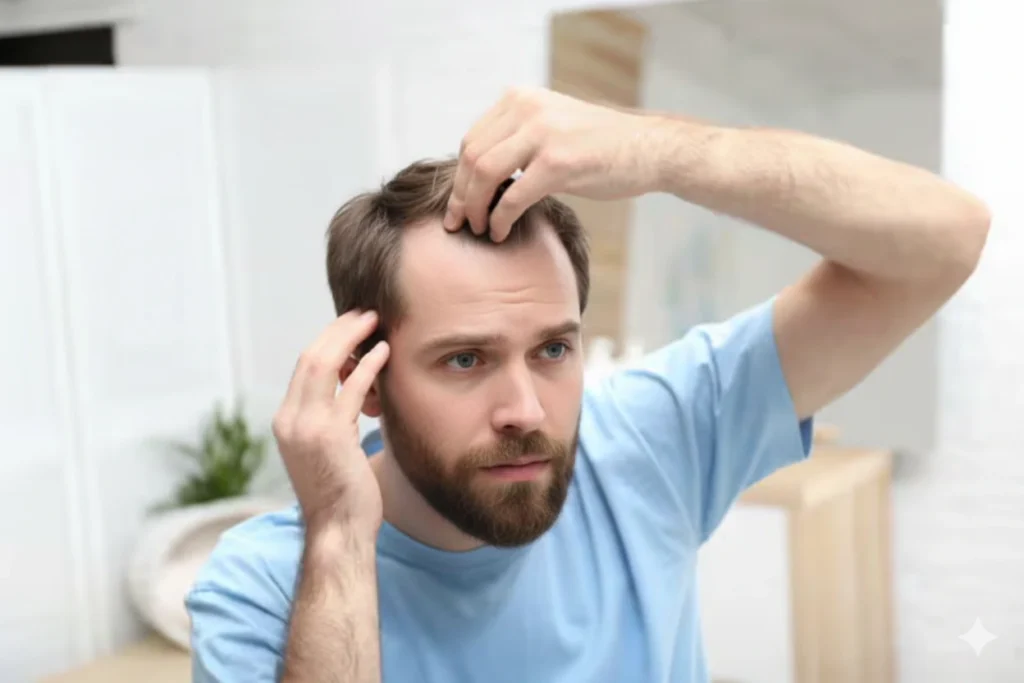
Success Rates & Long-Term Results
90%+
85-90%
95%+
These statistics demonstrate that modern hair transplant techniques are highly effective when performed by experienced surgeons and with proper aftercare. The success depends on surgical skill, patient compliance, and individual factors like hair characteristics.
Will My Hair Last Forever? Permanence Explained
Yes. The transplanted hair is genetically resistant to hair loss and will continue to grow throughout your lifetime. This is the primary advantage of hair transplants over temporary treatments.
Why Transplanted Hair Is Permanent:
1. Genetic Resistance:
Hair from the back of the scalp is genetically programmed to resist DHT (the hormone causing male pattern baldness)
2. Follicle Characteristics:
Transplanted follicles retain their original characteristics when moved to a new location
3. Lifetime Growth Cycle:
Transplanted hair continues its natural 2-7 year growth cycle indefinitely
Factors That Affect Success Rates
Surgeon Skill & Experience
Experienced surgeons achieve higher graft survival and more natural-looking results
Patient Compliance with Aftercare
Following post-operative instructions directly affects graft viability and growth.
Hair Characteristics
Experienced surgeons achieve higher graft survival and more natural-looking results
Recipient Area Blood Supply
Good scalp circulation supports graft survival and new hair growth
Overall Health & Age
Good health promotes faster healing and optimal results
Non-Surgical Alternatives to Consider
While hair transplants offer permanent solutions, several non-surgical alternatives can slow hair loss or improve appearance. Let’s compare options:
Topical Treatments (Minoxidil / Rogaine)
✓ Advantages:
• Non-invasive
• Affordable ($20-50/month)
• Can slow hair loss
• May promote regrowth
✗ Disadvantages:
• Temporary results only
• Must use continuously
• Modest effectiveness (30-40%)
• Hair loss returns when stopped
Best for: Early-stage hair loss, patients preferring non-invasive options, or as a complement to hair transplants
Oral Medications (Finasteride / Propecia)
✓ Advantages:
• Effective at slowing loss (60-70%)
• Prevents future baldness
• One pill daily
• Affordable ($30-100/month)
✗ Disadvantages:
• Won’t restore existing bald areas
• Hair loss returns after stopping
• Potential side effects
• Requires prescription
Best for: Preventing future hair loss, often used in combination with hair transplants for optimal long-term results
Scalp Micropigmentation (SMP)
✓ Advantages:
• Immediate visible results
• Permanent (3-5 years)
• Works for any baldness degree
• Complements transplants
✗ Disadvantages:
• Cosmetic illusion, not real hair
• Requires touch-ups
• Limited hair length styling
• Cost: $1,500-3,000
Best for: Immediate aesthetic improvement, shaved-head look, or combined with transplants for enhanced density
Complete Comparison: All Hair Loss Solutions
| Solution | Results | Cost | Permanence |
|---|---|---|---|
| Hair Transplant (FUE) | Excellent | Permanent hair | $4,000-15,000 | Lifetime |
| Minoxidil (Rogaine) | Fair | Slows loss | $20-50/month | While using |
| Finasteride (Propecia) | Good | Prevents loss | $30-100/month | While using |
| Scalp Micropigmentation | Good | Cosmetic illusion | $1,500-3,000 | 3-5 years |
Medical Disclaimer: This guide is educational and should not replace advice from your hair transplant surgeon or dermatologist. Always follow your surgeon’s specific post-operative instructions, as they may differ from general guidelines. If you experience signs of infection, excessive pain, or other concerning symptoms, contact your healthcare provider immediately