Hair loss in women is often caused by a combination of genetic, hormonal, and lifestyle factors. While some degree of hair thinning is natural with aging, other causes such as pregnancy, menopause, stress, and underlying medical conditions like thyroid problems and PCOS can contribute to significant hair fall. Understanding these causes is the first step toward identifying the right treatments, from lifestyle changes to medical interventions like hair transplants.
Introduction
Hair loss in women is a common issue that affects millions globally. For many, hair thinning or baldness can significantly impact self-esteem and overall well-being. Understanding what causes hair loss in women is crucial for finding the right solution. Whether it’s hormonal changes, stress, or genetic factors, identifying the underlying cause can help in choosing the best treatment options. In this blog, we’ll explore the common causes of hair loss in women, the signs to look out for, and the best ways to manage and treat this condition, including options like female hair fall treatment at Vagus Hair Transplant in Islamabad.
Common Causes of Hair Loss in Women
1. Genetic Factors and Female Pattern Baldness
Genetic factors play a major role in female pattern baldness, a condition that typically manifests in thinning hair along the crown and temples. This type of hair loss is hereditary and can become more noticeable as women age, often starting in their 30s or 40s.
2. Hormonal Changes: Pregnancy, Menopause, and Birth Control
Hormonal fluctuations due to pregnancy, menopause, or the use of birth control can lead to hair loss. During pregnancy, women experience thicker hair due to increased hormones, but postpartum hair shedding is common. Menopause also affects estrogen and progesterone levels, leading to thinning hair. Birth control pills can sometimes cause hormonal imbalances, contributing to hair fall.
3. Stress and Its Effect on Hair Health
Stress is a known trigger for hair loss, leading to a condition called telogen effluvium, where hair prematurely enters the shedding phase. Physical or emotional stress can disrupt the normal hair growth cycle, leading to noticeable thinning or shedding.
4. Medical Conditions and Hair Loss in Women
Certain medical conditions, such as Polycystic Ovary Syndrome (PCOS), thyroid imbalances, and autoimmune diseases, can result in hair loss. PCOS, for example, causes hormonal imbalances that can lead to thinning hair on the scalp.
5. Nutritional Deficiencies and Their Link to Hair Loss
Poor nutrition, particularly a lack of iron, zinc, biotin, and other essential nutrients, can contribute to hair thinning. Deficiencies in vitamins and minerals can impair the hair growth cycle, leading to brittle, weak hair and increased shedding.
Related; What is the Reason for Hair Fall in Females
Symptoms and Signs of Hair Loss in Women
How to Recognize the Early Signs of Hair Thinning
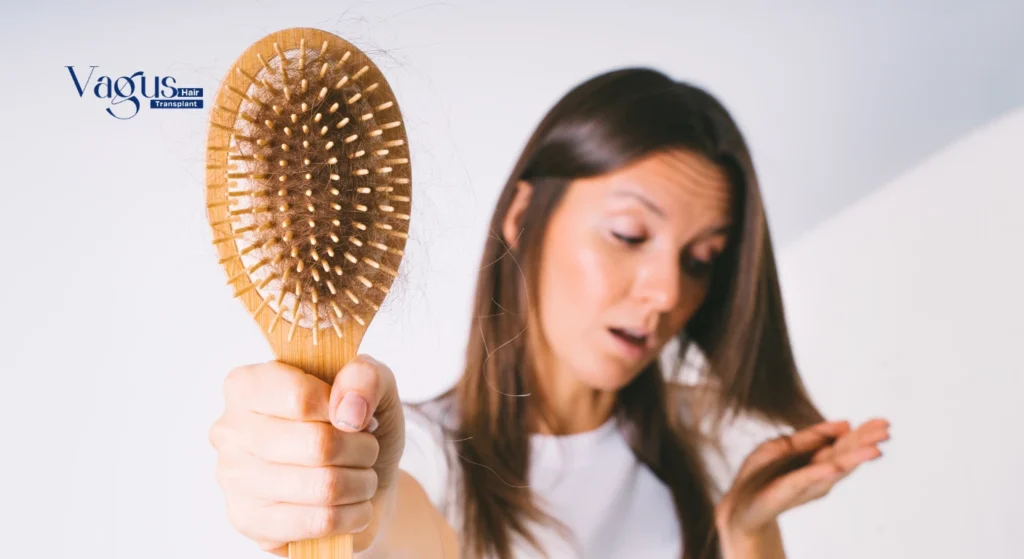
Early signs of hair loss include noticing more hair on your pillow, in the shower, or in your hairbrush. Hair thinning is often subtle at first, so it’s important to pay attention to changes in the volume and texture of your hair.
Difference Between Normal Shedding and Abnormal Hair Loss
It’s normal to lose up to 100 hairs per day, but if you notice excessive shedding, thinning, or bald patches, it could indicate a more serious issue. Consulting a healthcare provider can help determine if the shedding is beyond normal.
Diagnosis and When to Seek Help
Seeing a Doctor: What Tests Are Recommended?
If you’re concerned about hair loss, your doctor may recommend tests such as blood work or scalp biopsies to identify underlying health conditions contributing to your hair thinning.
Dermatologist or Trichologist: Which Specialist Should You Consult?
A dermatologist can help identify skin-related causes of hair loss, while a trichologist specializes in hair and scalp disorders. Both can provide insights into the causes and treatments for hair loss in women.
Treatment Options for Hair Loss in Women
1. Over-the-Counter Treatments and Medications
Minoxidil (Rogaine) is a common over-the-counter solution for women experiencing hair thinning. Biotin supplements and other vitamins may also help improve hair health.
2. Prescription Medications and Treatments
Prescription treatments like oral finasteride can be effective in preventing further hair loss in women. However, this medication is typically used under a doctor’s supervision due to potential side effects.
3. Hormonal Therapy and Hair Restoration
Hormonal therapy, such as the use of anti-androgens or estrogen, can be beneficial for women whose hair loss is due to hormonal imbalances.
4. Surgical Solutions: Hair Transplants for Women
For severe cases of hair loss, hair transplant surgery, such as follicular unit extraction (FUE) or Direct Hair Implantation (DHI), can provide permanent solutions. A hair fall treatment at Vagus Hair Transplant in Islamabad is one option to consider for those seeking professional assistance.
Home Remedies and Lifestyle Changes
Natural Oils and Scalp Massages for Hair Regrowth
Oils like rosemary, peppermint, and coconut oil are often used in scalp massages to stimulate hair follicles and improve circulation. These natural remedies can help promote hair regrowth in some women.
The Role of Diet in Preventing Hair Loss
A balanced diet rich in vitamins and minerals is crucial for hair health. Include iron, zinc, and vitamins A and C to support healthy hair growth and reduce hair shedding.
Stress Reduction Techniques to Promote Hair Health
Stress management techniques, such as meditation, yoga, and regular physical activity, can help reduce the negative impact of stress on hair health.
Hair Care Tips to Prevent Further Hair Loss
Best Practices for Washing, Conditioning, and Styling Your Hair
Avoid harsh shampoos and conditioners that strip hair of essential oils. Use sulfate-free products and always follow up with a conditioner to keep hair moisturized and prevent damage.
Avoiding Damaging Hair Treatments and Hairstyles
Tight hairstyles like ponytails and braids can stress the scalp and hair follicles, leading to hair breakage and traction alopecia. Avoid excessive heat styling and chemical treatments that weaken the hair shaft.
Gentle Hair Care Products for Thinning Hair
Using gentle, nourishing hair care products designed for thinning hair can improve the condition of your scalp and prevent further damage.
Psychological Effects of Hair Loss and Coping Strategies
Dealing with the Emotional Impact of Hair Loss
Hair loss can have a significant emotional toll. Women experiencing hair thinning may feel less confident or self-conscious. Seeking support from loved ones, therapy, or support groups can help women cope with the emotional impact of hair loss.
Support Groups and Communities for Women with Hair Loss
There are various online and offline communities where women can connect and share their experiences. These groups can provide emotional support, advice, and a sense of solidarity.
Hair Loss Myths vs. Facts
Debunking Common Misconceptions About Hair Loss in Women
Many myths surround hair loss, such as the belief that wearing hats causes hair loss. In reality, hair loss is more often due to genetics, hormones, and lifestyle factors rather than external influences like headwear.
Final Thoughts
While some types of hair loss are reversible with the right treatments, others may require more intensive solutions like hair transplants. Early intervention is key to achieving the best results.
Consulting with a healthcare provider to determine the underlying cause of hair loss is the first step in selecting the most appropriate treatment. Whether it’s lifestyle changes, medications, or surgical options like hair transplants, there are various ways to address hair loss in women.
If you’re experiencing hair loss and are looking for effective solutions, don’t wait any longer! At Vagus Hair Transplant in Islamabad, we offer expert hair fall treatments tailored to your unique needs.
Frequently Asked Questions
1. What is the most common cause of hair loss in women?
The most common cause is hormonal changes, such as those experienced during menopause or pregnancy. Genetic factors, stress, and medical conditions like PCOS are also significant contributors.
2. Can stress cause permanent hair loss in women?
Stress can cause temporary hair shedding, but with proper stress management, hair often regrows. Chronic stress may contribute to long-term thinning if not addressed.
3. What is the best hair loss treatment for women?
Treatment varies based on the underlying cause of hair loss. Over-the-counter solutions like minoxidil, prescription medications, and hair transplant surgery are common options.
4. Can a healthy diet prevent hair loss?
A nutrient-rich diet can help prevent hair thinning. Vitamins like biotin, iron, and vitamin D support healthy hair growth and prevent hair shedding.
5. Are hair transplants a good solution for women?
Hair transplants are effective for severe cases of hair loss. Procedures like FUE or DHI provide permanent solutions, though they require careful consideration and consultation with a specialist.