What is hair breakage? It occurs when individual hair strands become weak and snap along the hair shaft, leading to uneven lengths and split ends. Common causes include heat styling, chemical treatments, poor hair care habits, and nutritional deficiencies.
To prevent and repair hair breakage, focus on gentle care, hydration, and protecting your hair from stressors like heat and harsh chemicals. Regular trims and a balanced diet can also help restore your hair’s strength and health.
Introduction
Are you noticing your hair breaking more easily or seeing split ends no matter how much you care for it? Hair breakage is a common issue that many of us face at some point. It can be caused by several factors, from heat styling and chemical treatments to improper hair care and poor nutrition.
In this article, we’ll dive into what hair breakage is, how to spot it, and practical steps to repair and prevent it. By the end, you’ll have a clearer understanding of how to restore your hair to its healthiest state.
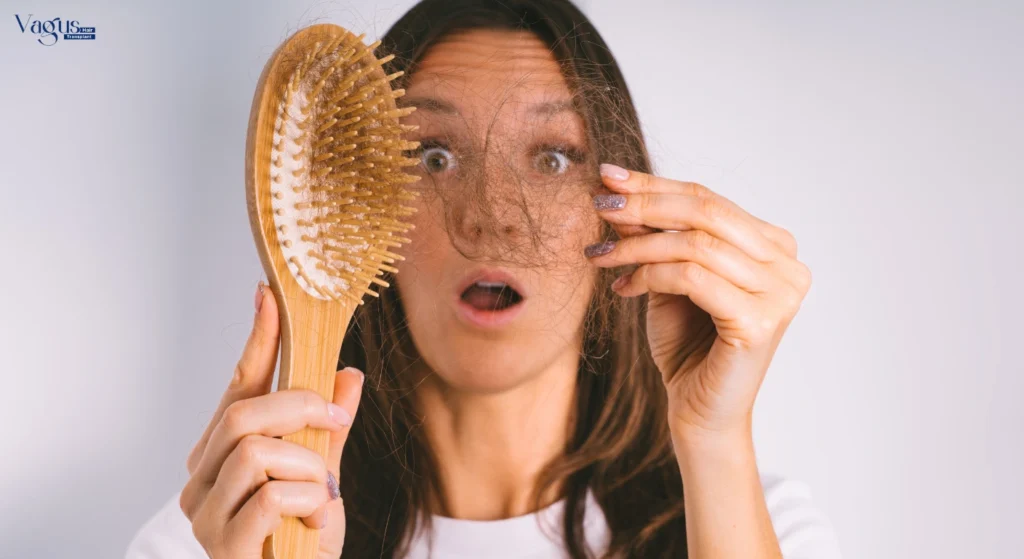
What Is Hair Breakage : Definition & How It Differs from Hair Loss
Hair breakage occurs when the individual strands of hair become weak and break along the hair shaft. Unlike hair loss, which involves the root of the hair (where the hair grows from the scalp), hair breakage happens along the length of the strand. This means you may notice shorter, broken pieces of hair that don’t grow back as long as the rest.
Anatomy of a Healthy Hair Shaft
A healthy hair strand consists of three layers:
- Cuticle: The outermost protective layer.
- Cortex: The middle layer responsible for the strength and elasticity of the hair.
- Medulla: The innermost layer (found in thicker hair types).
When the cuticle is damaged, the hair becomes brittle and prone to breakage. Hair loss, on the other hand, affects the follicle and can lead to thinning or bald spots. It’s crucial to differentiate the two to address the issue effectively.
Common Misconceptions
People often confuse split ends with hair breakage, but while they’re similar, they’re not the same. Split ends are a form of hair damage at the very tip, whereas breakage can occur anywhere along the strand, often leading to uneven hair lengths.
What Causes Hair Breakage :Common & Overlooked Factors
Several factors can contribute to hair breakage, some of which may surprise you.
Mechanical Stress
Regularly brushing or combing hair with the wrong tools, or tying it too tightly, can lead to mechanical damage. Tight hairstyles like ponytails or braids can also cause stress on hair strands, leading to breakage over time.
Heat Styling & Environmental Stress
Excessive use of heat styling tools, such as flat irons, curling irons, and blow dryers, can weaken the hair. Heat strips the moisture from the hair, leaving it dry and fragile. Additionally, environmental stressors like UV rays and hard water can damage the hair shaft.
Chemical Treatments & Over‑Processing
Frequent coloring, bleaching, perming, and relaxing can cause chemical damage. Over time, these processes strip the hair of its natural oils, making it more prone to breakage.
Poor Hair Care Habits
Washing hair too often, using harsh shampoos, or neglecting to use conditioner can lead to a dry scalp and brittle hair. Additionally, towel-drying hair roughly or combing it while wet increases breakage risk.
Nutritional Deficits, Stress & Health Factors
Poor nutrition, especially deficiencies in protein, iron, and vitamins, can weaken the hair. Chronic stress and hormonal imbalances, such as thyroid issues, can also impact hair health. It’s essential to maintain a balanced diet to support hair strength.
Underlying Hair Shaft Disorders
In rare cases, genetic conditions or disorders like Trichorrhexis nodosa can make the hair more susceptible to breakage. These conditions affect the structure of the hair shaft, making it weak and prone to snapping.
How to Recognize Hair Breakage :Signs & Symptoms
Recognizing hair breakage early can help prevent further damage. Here are some telltale signs:
Visual Cues
- Split ends: One of the most common signs of hair breakage.
- Frizz: Hair may look frizzy or flyaway due to weakened strands.
- Uneven Lengths: Breakage can cause uneven hair length, especially if the breakage happens near the scalp.
- Broken Hairs in Brush: If you notice broken hairs in your brush or on your pillow, it’s a clear indicator of breakage.
What You Might See in Your Brush, Drain, or Pillowcase
- Short Snapped Hairs: Unlike shedding, which involves the entire hair strand, breakage results in shorter pieces.
- Brittle, Weak Strands: If your hair feels brittle or snaps easily when touched, it’s likely experiencing breakage.
How Hair Type Influences Breakage Patterns
Curly, coily, and textured hair types are naturally more prone to breakage due to their structure. The bends and twists in the hair make it harder for natural oils to travel down the shaft, leaving the hair drier and more susceptible to damage.
How to Repair & Prevent Hair Breakage : Effective Strategies
Prevention is key to keeping hair strong and healthy. Here’s what you can do:
Gentle Hair Care Practices
- Use a wide‑tooth comb instead of a brush to detangle hair, especially when wet.
- Avoid brushing wet hair; instead, let it air dry or gently pat it with a towel.
- Towel-dry gently: Avoid rubbing the hair aggressively with a towel.
Reduce Heat & Chemical Stress
- Minimize the use of heat styling tools. When you do use them, always apply a heat protectant spray beforehand.
- Space out chemical treatments and opt for less damaging methods like ammonia-free dyes.
Regular Trims & Dusting Split Ends
Trimming hair regularly helps remove split ends and prevent breakage from traveling up the strand. Even if you’re trying to grow your hair, trimming every 6–8 weeks can actually help it grow healthier and longer in the long run.
Hydration and Nourishing
- Use deep-conditioning masks weekly to restore moisture.
- Incorporate nourishing oils, like argan oil or coconut oil, into your routine for added protection.
Nutrition, Lifestyle & Health Support
Maintain a protein-rich diet and ensure you’re getting enough vitamins like Biotin, Vitamin E, and Iron, all of which play a role in hair health.

Protective Styling & Hair Type-Specific Care
For curly or coily hair, protective styles like braids or twists can reduce the risk of breakage. Avoid tight hairstyles, and consider using satin or silk scarves to protect your hair while sleeping.
When to Seek Professional Help : Medical Evaluation & Hair Shaft Disorders
If you’ve tried the above strategies and still notice persistent breakage, it might be time to consult a professional.
Red Flags to Look Out For
- Persistent breakage despite following good hair care habits
- Breakage near the scalp or patches of short hairs
- Brittle hair shafts that don’t seem to recover with regular care
Overview of Hair Shaft Disorders
Conditions like Trichorrhexis nodosa (a genetic disorder that affects the hair’s strength) or Monilethrix can cause abnormal breakage. If you suspect a medical condition is affecting your hair, it’s best to seek help from a dermatologist or trichologist.
Hair Breakage & Different Hair Types :Custom Tips for Straight, Wavy, Curly, or Textured Hair
Curly, coily, or textured hair types are naturally more prone to breakage due to their unique structure. Here are a few tips for each hair type:
Straight Hair
Straight hair tends to show breakage more easily due to its uniform texture. To avoid breakage, avoid tight hairstyles and ensure regular trims.
Wavy Hair
Wavy hair may experience breakage at the wave’s bends. Gentle detangling is essential, and using a leave-in conditioner can help maintain moisture.
Curly & Textured Hair
Curly hair is prone to dryness, which leads to breakage. Use a moisturizing shampoo, avoid combing hair when dry, and always apply a leave-in conditioner to lock in moisture.
Next Step
To prevent and repair hair breakage, focus on gentle hair care, reducing heat and chemical exposure, and maintaining proper nutrition. If breakage persists, it may be time to consult with a specialist to rule out underlying medical conditions.
Struggling with hair breakage despite your best efforts?
Frequently Asked Questions (FAQ)
What is hair breakage vs hair loss?
Hair breakage affects the hair shaft and causes it to snap, while hair loss refers to shedding from the follicle. Hair loss can lead to thinning or bald spots, while breakage leaves you with uneven hair.
How long does it take for broken hair to grow back?
Recovery can take anywhere from a few weeks to several months, depending on the severity of the breakage and your hair growth rate.
Can hair breakage be reversed or repaired fully?
With the right care, such as hydration and protection from heat and chemicals, hair breakage can be repaired. However, severely broken hair may require trimming to restore its health.
Does diet or stress really affect hair breakage?
Yes, a poor diet and high stress can contribute to hair breakage by weakening the hair shaft. Ensuring you get adequate nutrients and managing stress can help reduce the risk.