Is PRP FDA approved? While PRP therapy itself is not FDA-approved as a specific treatment, the devices used to prepare PRP are FDA-cleared.
PRP is commonly used for various conditions, such as musculoskeletal injuries and hair restoration, but its use in these areas remains off-label. It’s important to understand the regulatory status and consult with a qualified doctor before considering PRP treatment.
Introduction
If you’re curious whether Platelet-Rich Plasma (PRP) therapy is FDA-approved, you’re not alone. This treatment has gained popularity for various uses, from promoting hair regrowth to aiding injury recovery. However, many people are confused about whether PRP injections are officially approved by the FDA.
In this article, we’ll clarify the regulatory status of PRP therapy, explain the difference between FDA clearance and approval, and guide you on what you need to know before considering PRP treatment.
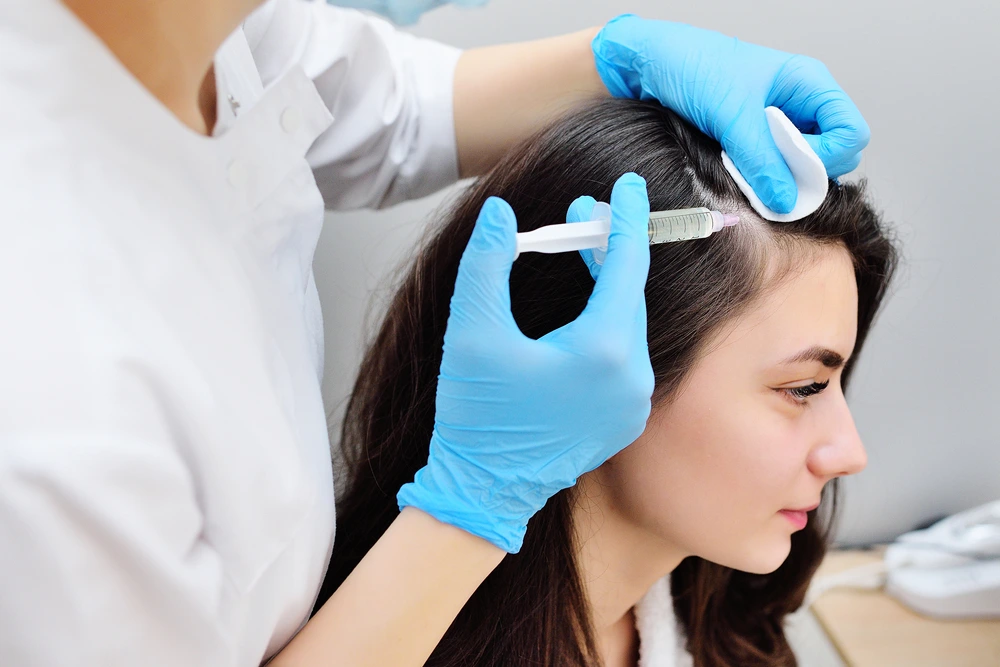
What Is PRP (Platelet-Rich Plasma)?
PRP is a therapy that uses the patient’s own blood to help heal and rejuvenate tissues. The process begins with a blood draw, which is then processed in a centrifuge to separate the platelets from other blood components. These platelets, rich in growth factors, are then reintroduced into the body to accelerate healing or tissue regeneration.
How PRP is Made: Blood Draw → Centrifuge → Platelet Concentration
During the PRP procedure, a small amount of blood is drawn from the patient, typically from the arm. The blood is then spun in a centrifuge, which separates the components by density. This concentrates the platelets, which contain growth factors that promote healing. The resulting PRP is then injected into the treatment area.
What’s Inside PRP : Platelets, Growth Factors, Plasma
PRP contains a high concentration of platelets, which are responsible for stimulating tissue repair and regeneration. It also contains plasma, the liquid component of blood, which carries the platelets to the target area.
What the FDA Has Approved : Devices vs Treatments
While PRP therapy itself isn’t FDA-approved as a specific treatment, there are FDA-approved devices that prepare PRP for use in medical treatments. This distinction is important to understand as it affects how PRP therapy is regulated and the standards of care in different clinical settings.
FDA-Cleared PRP Preparation Systems
The FDA does not approve PRP therapy itself but does approve devices that prepare PRP from the patient’s blood. These devices are FDA-cleared through the 510(k) process, which means they are recognized as safe and effective for use in preparing PRP. However, the FDA does not consider PRP injections a “drug,” and as such, PRP does not require the same level of approval as medications.
Why FDA Does Not “Approve” PRP Injections as a Drug or Specific Therapy
The FDA’s approval process for drugs requires extensive clinical trials and evidence demonstrating a drug’s safety and efficacy. PRP, however, is derived from the patient’s own blood, which means it’s considered a biological material, not a drug. As a result, the FDA does not approve PRP injections themselves, though the preparation devices are cleared.
Regulatory Classification: HCT/P, Off-Label Use, Medical Practice Exception
PRP falls under the FDA’s regulation for human cells, tissues, and cellular and tissue-based products (HCT/Ps). The FDA allows PRP treatments as long as the procedures fall under the “medical practice exception,” meaning they are performed by licensed practitioners for specific medical purposes. However, when PRP is used for cosmetic or non-medical purposes, it may not be regulated in the same way, leading to potential risks.
Legal & Regulatory Status of PRP Therapy in the U.S.
PRP therapy remains a subject of regulatory ambiguity, especially when it comes to the use of PRP for aesthetic treatments, like hair restoration or skin rejuvenation.
What “Off-Label Use” Means and Why PRP is Considered That
In medicine, “off-label” use refers to when a treatment is used in a manner not approved by the FDA. For example, while PRP is FDA-cleared for certain medical uses, many clinics use it for hair regrowth or cosmetic purposes, which is considered off-label. This means that while doctors can use PRP in this way, there is no formal FDA approval for these uses.
Implications for Patients : Informed Consent, Insurance, Liability
Since PRP is not FDA-approved for specific uses, patients should be informed of this fact before undergoing treatment. This also affects insurance coverage, as many insurance companies do not cover off-label procedures, including PRP for aesthetic purposes. Patients must be aware of the potential financial and legal implications before proceeding with treatment.
Medical Uses of PRP :What Evidence Shows (and What Is Still Uncertain)
PRP has shown promise in various medical fields, particularly for musculoskeletal injuries and cosmetic procedures, though the evidence is mixed.
Orthopedic & Musculoskeletal Conditions
PRP has been used to treat conditions such as tendon injuries, osteoarthritis, and cartilage damage. Some studies have shown it can help accelerate healing and reduce pain, while others suggest it has limited effectiveness. PRP is often used when traditional treatments like physical therapy or surgery are not ideal.
Cosmetic, Hair Loss & Aesthetic Uses
PRP has gained significant attention in the cosmetic industry, especially for treating hair loss and improving skin texture. It is commonly used after hair transplants to promote hair regrowth. While some patients report success with PRP for hair regrowth, the results can vary, and there is still ongoing debate about how effective it truly is for these purposes.
Other Emerging / Experimental Applications
Emerging uses of PRP include dental, fertility, and soft tissue healing. However, these applications remain largely experimental, and the effectiveness of PRP in these areas is not yet well-established.
Summary of Research Findings: What Works, What Doesn’t / Mixed Results
Overall, the results of PRP therapy are mixed, and more research is needed to fully understand its benefits and limitations. While some areas, such as orthopedic healing and hair restoration, show promise, there is no consensus in the medical community about its broad effectiveness.
Safety, Risks & Limitations of PRP Therapy
Although PRP therapy is generally considered safe because it uses the patient’s own blood, there are still risks involved.
Typical Side Effects (Bruising, Soreness, Infection Risk)
PRP injections are minimally invasive, but like any procedure involving needles, there is a risk of side effects such as bruising, soreness, and potential infection at the injection site. However, these risks are relatively low compared to other treatments.
Variability in PRP Quality : Platelet Count, Preparation Methods, Practitioner Skill
One major issue with PRP therapy is the variability in the quality of the PRP preparation. Different devices and methods can result in different concentrations of platelets, affecting the outcome. Additionally, the skill of the practitioner plays a significant role in the success of the treatment.
What We Don’t Know : Long-Term Effects, Lack of Standardization
As a relatively new treatment, the long-term effects of PRP therapy remain unclear. There is also no universally accepted standard for how PRP should be prepared, leading to inconsistent results and outcomes.
Why There’s Many Misconceptions : Common Myths About PRP & FDA Approval
Several myths about PRP therapy circulate, often leading to confusion and unrealistic expectations.
Myth: “If it’s widely offered, it must be FDA-Approved”
Just because a treatment is widely available does not mean it has been FDA-approved. In the case of PRP, many clinics offer it for off-label uses, which means it has not been formally approved by the FDA.
Myth: “FDA Cleared = FDA Approved”
It’s important to understand the distinction between FDA clearance and approval. PRP preparation devices are FDA-cleared, but the therapy itself is not FDA-approved.
Myth: “PRP Cures Everything”
PRP is not a cure-all. While it has been shown to be effective for some conditions, it is not a miracle treatment, and its effectiveness can vary.
What You Should Ask Your Doctor / Clinic — Smart Questions Before Getting PRP
Before undergoing PRP treatment, make sure you ask the right questions to ensure a safe and effective experience.
Is the Clinic Using an FDA-Cleared PRP Preparation System?
Ask if the clinic uses an FDA-cleared device to prepare the PRP. This ensures the preparation meets safety standards.
What is the Platelet Concentration / Preparation Protocol?
Make sure the clinic provides information on how they prepare the PRP and the concentration of platelets they use.
What Evidence Supports PRP for My Condition?
Ensure the clinic can provide evidence or studies showing that PRP has been effective for your specific condition.
What Are Risks, Benefits, Alternatives, and Cost / Insurance Coverage?
Understanding the full scope of risks, benefits, and costs associated with PRP therapy is essential before proceeding.
Regulatory / Ethical Considerations
Medical professionals must adhere to ethical guidelines when offering PRP therapy, ensuring they provide informed consent and fully disclose the regulatory status of the treatment.
What the Future of PRP Regulation Might Look Like
The future of PRP regulation could involve clearer guidelines from the FDA, more standardized preparation methods, and better evidence supporting its efficacy in various medical and cosmetic applications.
Possibility of Future Clinical Trials, Standardization of Protocols
Ongoing clinical trials may help clarify PRP’s effectiveness for various treatments, leading to more standardized practices and clearer FDA guidelines.
Advances in Regenerative Medicine and Related FDA Guidance
As regenerative medicine advances, we may see more formal FDA regulations for therapies like PRP.
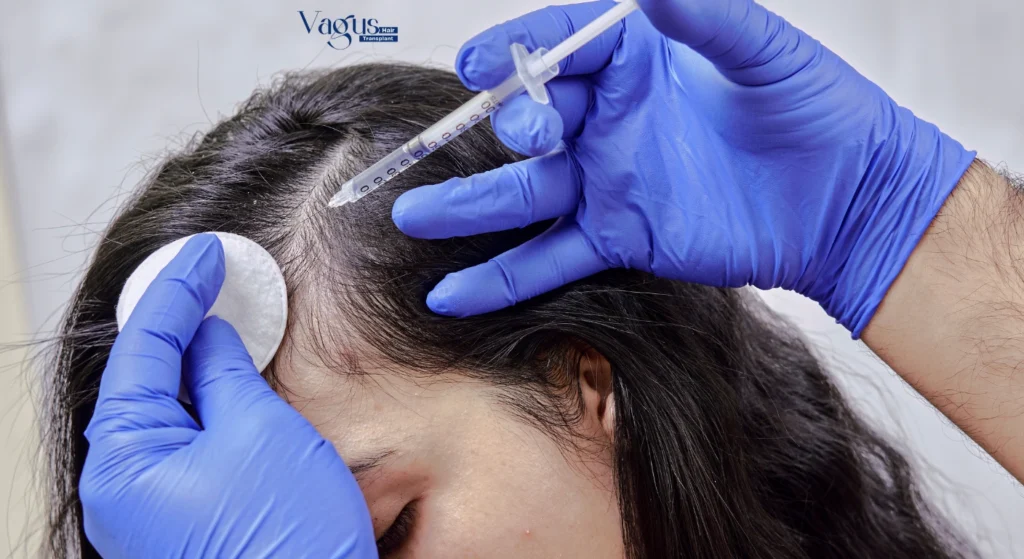
Should You Try PRP?
PRP therapy is not FDA-approved for specific uses, but it is FDA-cleared for preparation devices. It can offer benefits for certain conditions, though results may vary. Always consult a qualified doctor to understand the risks, benefits, and costs before proceeding.
If you’re considering PRP therapy, consult with a qualified healthcare provider to discuss your condition and determine if PRP is right for you.
Frequently Asked Questions (FAQs)
Is PRP FDA-approved for hair loss?
No, PRP is not FDA-approved specifically for hair loss, though it is often used off-label for this purpose.
Is PRP therapy covered by insurance?
Because PRP is often used off-label, many insurance companies do not cover the procedure.
Are PRP injections safe?
PRP injections are generally safe but may cause bruising or soreness at the injection site.
How many PRP treatments are usually needed?
The number of treatments varies depending on the condition, but most patients receive 2-3 treatments spaced several weeks apart.
Does FDA clearance of a device guarantee good quality PRP?
FDA clearance of a device ensures it meets safety standards, but the quality of PRP depends on the preparation method and practitioner skills.
What does “off-label use” mean for me as a patient?
Off-label use means the treatment is being used in a manner not formally approved by the FDA. This is common with PRP for hair loss or aesthetic treatments.