Ultimate Guide to Hair Transplant for Women in Islamabad – Methods, Expectations & Cost
Discover expert insights on women’s hair transplant in Islamabad. Understand techniques, expected outcomes, recovery time, and overall treatment cost.
Women Hair Transplant – A Complete Guide
Hair loss affects millions of women worldwide, and Pakistan is no exception. Unlike men, hair transplant for women requires specialized techniques and considerations. The psychological impact of female hair loss can be profound, affecting self-esteem and quality of life. Fortunately, advances in medical science have made hair transplants for women in Islamabad an increasingly accessible and effective solution.
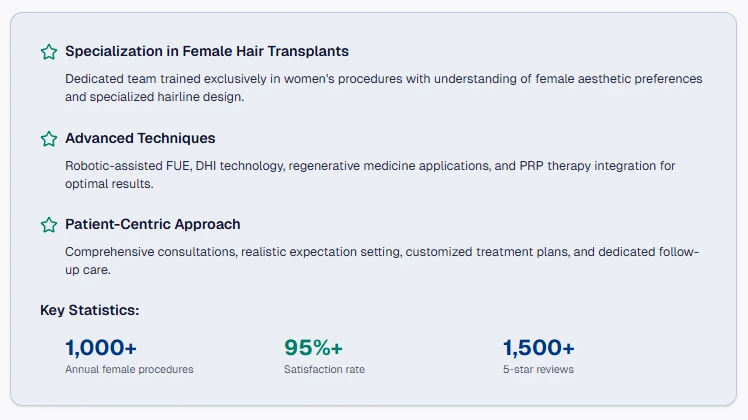
Islamabad has emerged as a premier destination for hair restoration procedures, offering world-class facilities and expert surgeons who understand the unique needs of female patients. Clinics like Vagus Hair Transplant in Islamabad have pioneered techniques specifically designed for women’s hair characteristics, including hair density, texture, and aesthetic goals.
Whether you’re experiencing female pattern baldness, alopecia, or hair thinning, this comprehensive guide will walk you through everything you need to know about hair transplants for women in Islamabad, from procedure methods and costs to recovery timelines and realistic expectations.
40%
Experience Hair Loss
By age 50 according to dermatology research
95%+
Success Rate
Modern procedures in specialized clinics
Understanding Female Hair Loss: Causes & Statistics
What is Female Pattern Baldness?
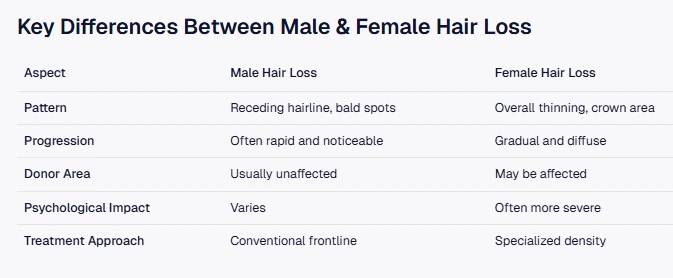
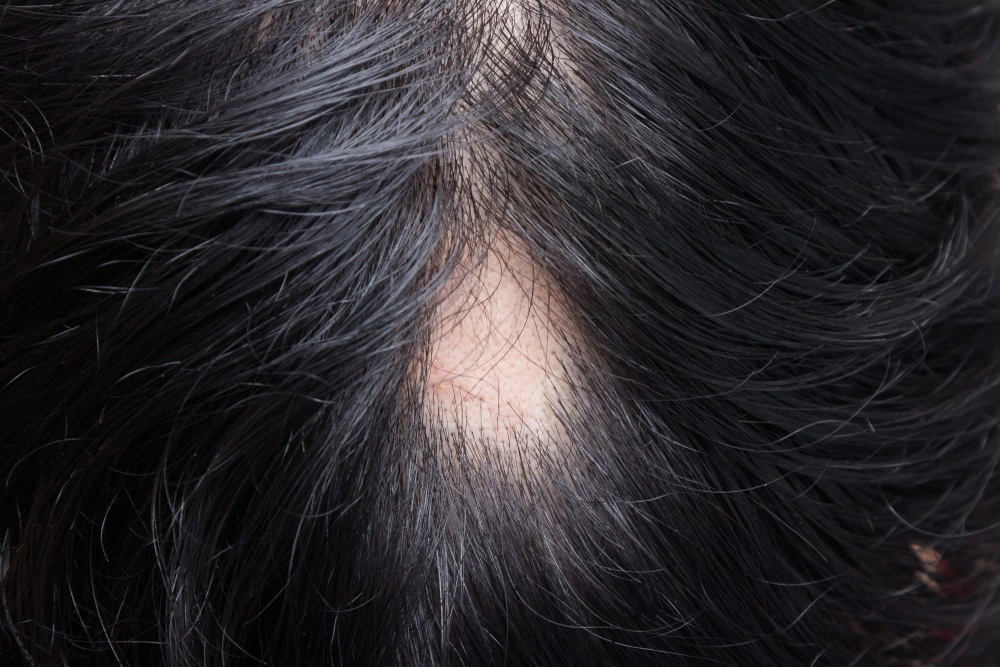
Female Pattern Baldness (FPB), also known as androgenetic alopecia in women, is the most common cause of hair loss in females. Unlike male pattern baldness, which typically results in receding hairlines or bald spots, female pattern baldness usually manifests as overall thinning of the hair, particularly at the crown and along the hair part.
Main Causes of Female Hair Loss
Genetic Factors (40-60% of cases)
Hereditary predisposition to androgenetic alopecia. It can be inherited from either parent.
Hormonal Changes (Significant contributor)
Post-pregnancy telogen effluvium, thyroid disorders, menopause, and PCOS.
Medical Conditions
Alopecia areata, lupus, autoimmune diseases, and trichotillomania.
Lifestyle & Environmental Factors
Chronic stress, poor nutrition, excessive styling, chemical treatments, and smoking.
Female Hair Loss Statistics in Pakistan
35-40%
Pakistani women with hair loss
60%
Women over 50 with visible loss
22%
Women under 40 with thinning
8,000+
Annual procedures in Islamabad
Hair Transplant Methods for Women: Technical Breakdown
Understanding Hair Transplant Technology
Modern hair transplantation works on a simple principle: extracting healthy hair follicles from areas unaffected by hair loss (typically the back of the scalp) and transplanting them to thinning or bald areas. For women, however, the approach requires special considerations.
Method 1: FUE (Follicular Unit Extraction) – Recommended for Women
How It Works:
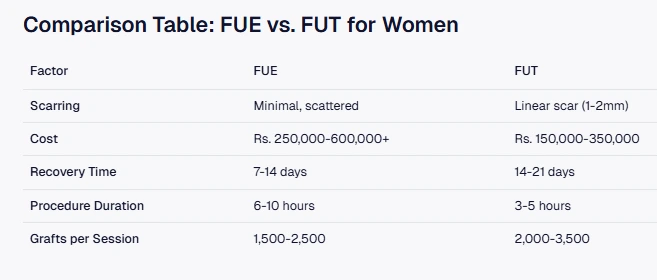
FUE (Follicular Unit Extraction) is a minimally invasive technique where individual hair follicles are extracted using a tiny punch tool (0.6-1mm in diameter). Each follicle is then carefully transplanted into the recipient sites.
Advantages
✓ No linear scar (crucial for women who want styling flexibility)
✓ Minimal downtime (return to normal activities in 1-2 weeks)
✓ Can be used to treat diffuse hair loss
✓ Hair density appears more natural
✓ Multiple sessions possible
✓ Shorter recovery period
Disadvantages
✕ Higher cost (Rs. 200,000-600,000+ depending on graft count)
✕ Time-intensive procedure (6-10 hours)
✕ Requires a larger donor area
✕ May cause temporary shock loss
Method 2: FUT (Follicular Unit Transplantation)
How It Works:
FUT hair transplant involves removing a strip of scalp from the donor area (typically 1-10 cm long), then dissecting it under a microscope to extract individual hair follicles. These grafts are transplanted into recipient sites.
Advantages
✓ More cost-effective
✓ Shorter procedure time
✓ Higher number of grafts in a single session
✓ Better for extensive hair loss
Disadvantages
✕ Linear scar at the donor site (problematic if wearing short hairstyles)
✕ Longer recovery (2-3 weeks)
✕ Less suitable for diffuse hair loss
✕ Limited to patients with sufficient donor hair
Why Choose Islamabad for Women's Hair Transplants?
Islamabad: The Hair Transplant Capital of Pakistan
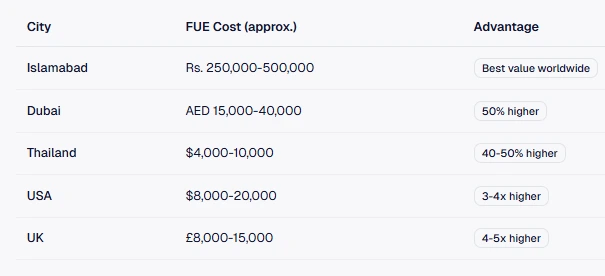
Islamabad has emerged as South Asia’s leading destination for hair transplant procedures, particularly for women. The combination of advanced technology, expert surgeons, and affordable pricing makes it an ideal choice for patients worldwide.
The Science Behind Laser Hair Growth Stimulation
Advanced Technology
✓ State-of-the-art extraction equipment
✓ Latest microscopy technology
✓ Sterile, accredited facilities
✓ International standards compliance
Specialist Expertise
✓ 25+ years of experience
✓ Specialized female procedures
✓ Understanding of ethnic hair
✓ Customized approaches
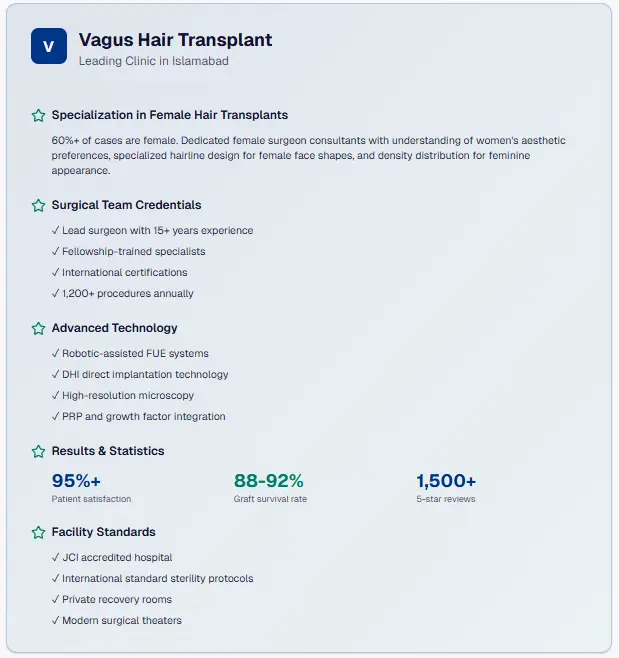
Vagus Hair Transplant – Leading Clinic in Islamabad
Cost Advantages in Islamabad
Comprehensive Procedure Flow & Timeline
Pre-Operative Phase (1-4 weeks before)
Initial Consultation
Medical history review, scalp examination, hair analysis, donor area assessment, digital imaging, and expectation setting.
Pre-Operative Instructions
Pre-Operative Instructions include avoiding blood thinners for 2 weeks, stopping smoking, avoiding alcohol 48 hours prior, and wearing loose clothing.
Lab Work
Blood tests, scalp culture if needed, hair mineral analysis, thyroid function tests if indicated.
Procedure Day Timeline (FUE)
⏱️ 7:00 AM - 8:30 AM
Pre-Operative
Check-in, registration, final clearance, photography, hairline design approval
⏱️ 8:30 AM - 9:00 AM
Anesthesia & Prep
Local anesthesia, donor/recipient area preparation, sterility checks
⏱️ 9:00 AM - 12:30 PM
Donor Extraction
Individual follicle extraction, grouping, and storage in an isotonic solution
⏱️ 12:30 PM - 1:30 PM
Graft Prep
Microscopic dissection, separation by hair count, and hydration solution preparation
⏱️ 1:30 PM - 2:00 PM
Site Creation
Recipient site creation at precise angles for a natural appearance
⏱️ 2:00 PM - 5:00 PM
Implantation
Careful graft insertion with optimal angle and depth control
⏱️ 5:00 PM - 6:00 PM
Post-Operative
Gentle washing, dressing, recovery instructions, and medication prescription
Post-Operative Recovery Timeline
Week 1: Initial Healing Phase
• Mild discomfort (controlled with medication)
• Red bumps at transplant sites (normal)
• Slight swelling (subsides with ice)
• Sleep with head elevated 45°
• Gentle hair washing begins Day 3
Weeks 2-3: Scab Formation Phase
• Scabs form at transplant sites
• Hair shedding starts (expected)
• Redness decreases significantly
• Can resume light activities
• Avoid scratching or picking scabs
Month 2: Shock Loss Phase
• 70-80% of transplanted hair may shed
• Original weak hairs may also shed
• This is NORMAL and temporary
• Regrowth begins after 2-4 weeks
• Use volumizers if needed for confidence
Months 3-6: Growth Phase
• New hair growth begins (very fine)
• Hair becomes more visible monthly
• Improved appearance by month 4-5
• Can resume all normal activities
• Full return to exercise routine possible
Month 6-12: Maturation Phase
• 70-80% of new hair visible by month 6
• Continued thickening and strengthening
• Full results visible by 12 months
• Hair continues to mature up to 18 months
• Hair grows and sheds naturally
Important Note
Recovery looks different from results. You’ll recover from surgery in 2-3 weeks, but hair results take 12 months. This is completely normal.
Detailed Cost Breakdown: Hair Transplant for Women in Islamabad
Cost Structure Overview
The cost of hair transplant for women in Islamabad is primarily determined by:
• Number of grafts required
• Technique used (FUE vs. FUT)
• Clinic reputation and surgeon experience
• Additional treatments (PRP, medications)
Typical Pricing in Islamabad
FUE Pricing
Basic (1,000-1,500 grafts)
Rs. 250,000 – 350,000
Standard (1,500-2,000 grafts)
Rs. 350,000 – 450,000
Premium (2,000-2,500 grafts)
Rs. 450,000 – 600,000
Per graft cost
Rs. 150-250
FUT Pricing
Basic (1,500-2,000 grafts)
Rs. 150,000 – 220,000
Standard (2,000-2,500 grafts)
Rs. 220,000 – 300,000
Premium (2,500-3,500 grafts)
Rs. 300,000 – 400,000
Per graft cost
Rs. 75-150
Detailed Cost Breakdown for Average Case
Scenario: Average female patient needing 2,000 grafts (FUE)
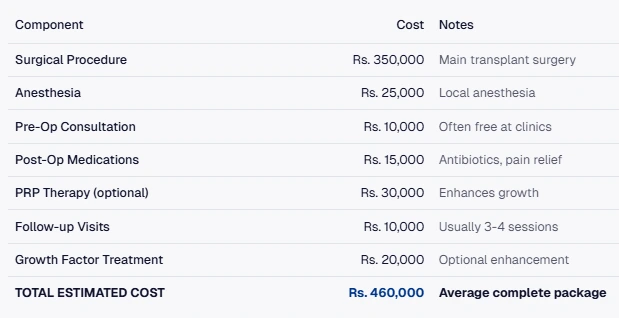
Detailed Cost Breakdown for Average Case
Usually Included
✓ Initial consultation
✓ Surgical procedure & anesthesia
✓ Basic post-op care
✓ 3-4 follow-up visits
✓ Pre-op blood tests
✓ Post-op medications
Usually Extra
✗ Additional PRP sessions
✗ Hair growth serums/shampoos
✗ Extended follow-up care
✗ Revision procedures
✗ Travel/accommodation
Recovery & What to Expect: Women's Hair Transplant Recovery Time
The Complete Recovery Journey
Important Note: Recovery looks different from results. You’ll recover from surgery in 2-3 weeks, but hair results take 12 months.
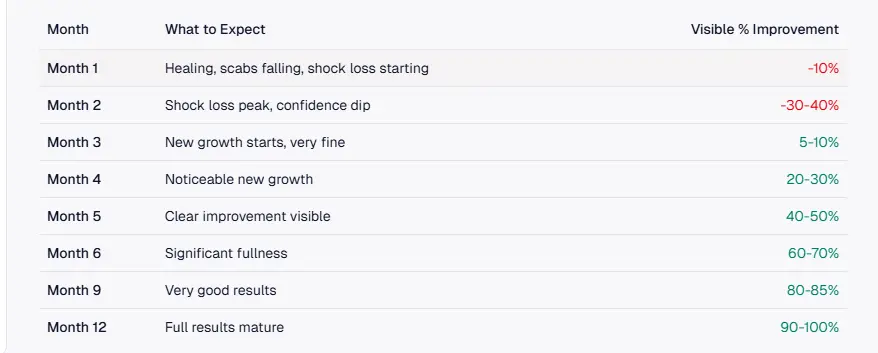
Recovery Timeline by Month
Why Laser Technology Outperforms Traditional Methods
First 2 Weeks
✓ Sleep elevated 45 degrees
✓ Avoid hot showers (lukewarm only)
✓ No swimming or bathing
✓ No strenuous exercise
✓ No smoking
✓ Avoid alcohol
Weeks 2-4
✓ Gentle scalp massage (after Week 2)
✓ Mild exercise only
✓ Continue prescribed medications
✓ Attend follow-up appointments
✓ Maintain proper nutrition
Months 2-6
✓ Gradual return to normal activity
✓ Patience during shock loss phase
✓ Nutritional support (iron, zinc)
✓ Stress management
✓ Regular follow-ups
The Psychological Journey
Understanding the emotional aspect of recovery is crucial. Here’s what to expect:
Weeks 1-4: Hope & Optimism
Excited about the procedure, handling pain well, and believing in results.
Month 2: The Difficult Phase
Shock loss begins, hair appears thinner, and confidence drops. This is the psychological low point, but it’s completely normal and temporary.
Months 3-6: Hope Returns
New growth is becoming visible, gradual improvement, and confidence is being rebuilt with each passing month.
Month 12+: Satisfaction
Full results visible, natural appearance achieved, permanent confidence boost
Success Rates & Before/After: Real Results Timeline
Hair Transplant Success Statistics
Graft Survival Rate
85-95%
Modern techniques achieve 90-95% survival
Hair Growth Success
75-85%
Of transplanted hair grows by 12 months
Patient Satisfaction
92-96%
94% willing to recommend the procedure
Aesthetic Success
85-90%
87% achieve natural-looking results
Factors Affecting Success Rates
Positive Factors (Increase Success)
✓ Young age (under 40)
✓ Strong donor hair density
✓ Proper aftercare compliance
✓ Good nutrition
✓ Low stress levels
✓ Experienced surgeon
✓ Advanced technology
✓ Realistic expectations
Negative Factors (Decrease Success)
✗ Advanced age (over 60)
✗ Poor donor area quality
✗ Medication non-compliance
✗ Poor nutrition
✗ High stress/anxiety
✗ Smoking and alcohol use
✗ Unmanaged conditions
✗ Inadequate aftercare
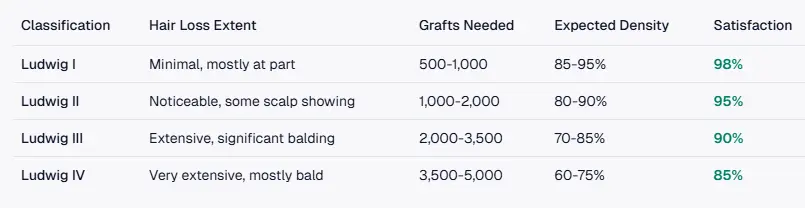
Expected Results by Hair Loss Classification
Advanced Technologies in Women's Hair Transplantation
Cutting-Edge Procedures & Innovations
Modern female hair transplantation has evolved dramatically over the past decade. New technologies and techniques have made procedures more precise, less invasive, and more effective, especially for women’s unique hair characteristics.
Robotic-Assisted FUE (ARTAS)
ARTAS uses artificial intelligence to map hair follicles and extract them with precision. This technology is particularly beneficial for women because:
- Extracts 1,000-4,000 grafts per session with minimal scarring
- Reduces damage to surrounding follicles
- Decreases recovery time by 20-30%
- Creates a more natural hairline appearance
- Reduces patient discomfort during the procedure
Success Rate: 94-98%
Graft survival is significantly higher than manual extraction.
DHI (Direct Hair Implantation)
DHI (Direct Hair Implantation) is a refined version of FUE where extracted follicles are immediately implanted without an intermediate storage step. Advantages for women:
- Minimises follicle damage during storage
- Improves graft survival rate (92-95%)
- Better control over hair angle and direction for a natural look
- Reduces shock loss by 10-15%
- Faster healing with less post-op swelling
Recovery Time: 3-5 days
Fastest recovery among all hair transplant methods
PRP (Platelet-Rich Plasma) Therapy
PRP therapy uses your own blood platelets to stimulate hair growth and improve graft survival. Particularly effective for women because:
- Contains growth factors that nourish hair follicles
- Can be applied during procedure or post-op sessions
- Improves hair density by 15-20%
- Reduces inflammation and accelerates healing
- No rejection risk (uses your own blood)
Cost: Rs. 30,000-50,000 per session
Often recommended in 2-3 sessions over 6 months
Stem Cell Enhanced Hair Transplant
Emerging technology using adipose-derived stem cells to enhance transplant results. Benefits for women:
- Increases graft survival rate to 95-98%
- Stimulates dormant follicles to produce new hair
- Reduces the shock loss phase duration
- Accelerates hair growth timeline by 2-4 weeks
- Improves hair quality and thickness
- Emerging Technology
Emerging Technology
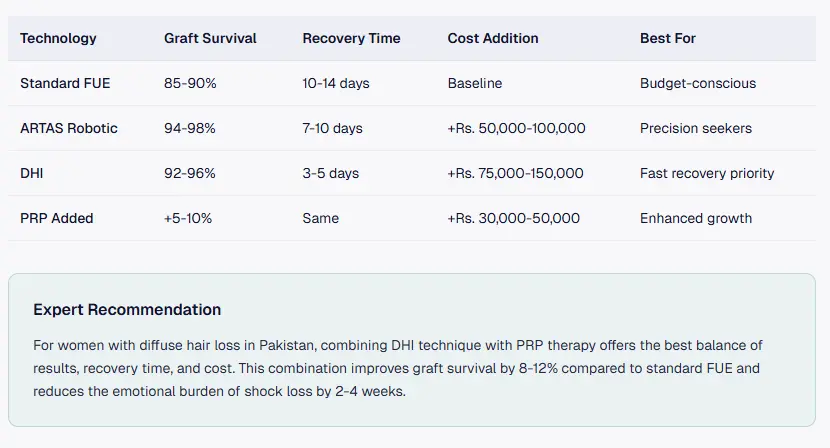
Technology Comparison Table
Real Patient Stories & Results
Why These Testimonials Matter
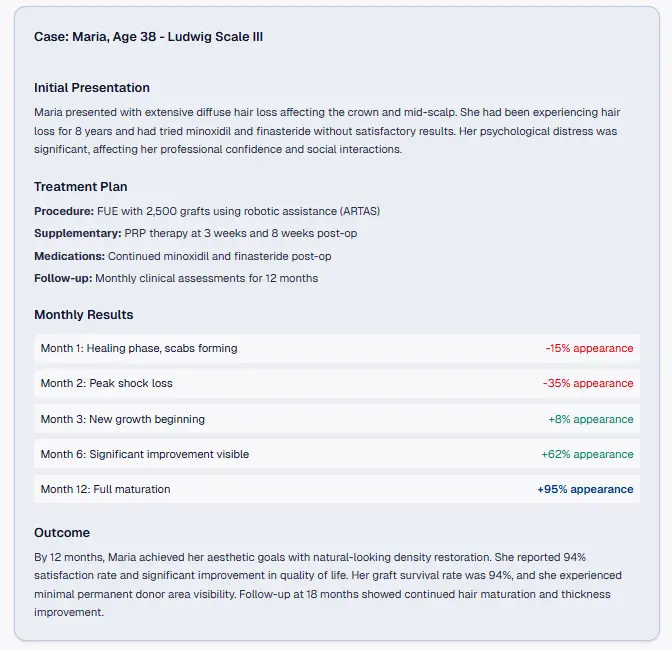
Real patient experiences provide valuable insight into the hair transplant journey. These testimonials from women in Pakistan showcase the emotional and physical transformation that occurs over 12 months.
94%
Patients report improved self-esteem
89%
Would recommend to friends/family
91%
Report positive lifestyle impact
Case Study: Comprehensive Hair Restoration
Comprehensive Pre-Procedure & Post-Procedure Guide
Complete Pre-Procedure Preparation (4 Weeks Before)
Week 1: Initial Planning & Medical Clearance
Schedule Consultation: Book your free consultation with a surgeon. Discuss goals, medical history, and expectations.
Medical History Review: Prepare a list of all medications, supplements, and medical conditions. Be honest about smoking, alcohol use, and drug use.
Blood Type & Testing: Know your blood type. Request pre-operative blood work to check baseline health status.
Photographic Baseline: Take clear photos of your hair loss from multiple angles for before/after comparison.
Week 2: Medication & Supplement Adjustments
Stop Blood Thinners: Discontinue aspirin, ibuprofen, and NSAIDs for 2 weeks. These increase bleeding during the procedure.
Herbal Supplements: Stop ginkgo biloba, garlic, ginger, and other blood-thinning supplements 2 weeks prior.
Hair Growth Medications: Continue minoxidil and finasteride as prescribed. These improve results.
Vitamins: Start biotin (5mg daily), iron supplements (if deficient), and zinc (15-30mg daily) to support hair growth.
Week 3: Lifestyle Modifications
Quit Smoking: Stop smoking 2-4 weeks before the procedure. Smoking reduces blood flow and healing capacity.
Limit Alcohol: Avoid alcohol 48 hours before the procedure. Alcohol causes bleeding and dehydration.
Improve Nutrition: Eat protein-rich foods (chicken, fish, eggs), iron-rich foods (spinach, lentils), and fresh vegetables for 3 weeks.
Hydration: Drink 2-3 liters of water daily for 2 weeks before the procedure to improve healing.
Stress Management: Practice meditation, yoga, or relaxation techniques. Stress affects healing.
Week 4: Final Preparations
Hair Washing: Wash hair with gentle shampoo. Do NOT wash 24 hours before the procedure for optimal scalp condition.
Clothing Prep: Wear loose, comfortable, button-up shirts on procedure day to avoid pulling over the head.
Transportation: Arrange for someone to drive you home. Do NOT drive for 24 hours after the procedure due to anesthesia effects.
Time Off Work: Plan to be off work for 3-5 days minimum for desk jobs, 2-3 weeks for physical jobs.
Confirm Surgery: Call the clinic 24 hours before to confirm appointment time and reconfirm any instructions.
Detailed Post-Procedure Recovery by Week
Days 1-3: Immediate Post-Op Period
Physical Appearance: Red bumps at transplant sites, mild-to-moderate swelling (forehead, eyes), bandages on donor area.
What to Do:
Sleep with head elevated 45-60 degrees (use 2-3 pillows or a recliner chair)
Apply ice packs to the forehead and eyes (15 minutes on, 15 minutes off) to reduce swelling
Take prescribed pain medication every 4-6 hours (usually just acetaminophen, minimal pain expected)
Avoid touching, scratching, or rubbing transplanted areas
Do NOT wash hair or bandaged areas
Rest completely – minimal walking, no bending or lifting
Take prescribed antibiotics as directed
Expected Sensations: Mild soreness (not severe pain), tingling sensations, slight numbness in the donor area.
Days 4-7: Early Healing Phase
Physical Changes: Redness decreases, swelling significantly reduces, and scabs begin forming at transplant sites.
What to Do:
First gentle hair washing on Day 3 (use lukewarm water, gentle touch, no pressure)
Apply the prescribed scalp wash or saline solution gently to the transplant sites
Can remove bandages from donor area after 48 hours (follow surgeon’s instructions)
Continue elevated sleeping position (gradually reduce angle after Day 5)
Light walking is acceptable (no strenuous activity)
Avoid direct shower water spray on graft sites
Continue medications as prescribed
Return to Activities: Can perform desk work from home, gentle household tasks, but avoid anything requiring physical exertion.
Weeks 2-3: Scab Formation & Shedding
Physical Changes: Scabs fully formed at implant sites, hair shedding begins, itching increases (normal, do NOT scratch).
What to Do:
Continue gentle daily hair washing with the prescribed shampoo
Do NOT pick or forcefully remove scabs – they fall off naturally by Week 3-4
If itching is severe, apply the prescribed anti-itch lotion (do not scratch)
Can wear loose hats (soft material, not tight fitting), but avoid direct pressure on grafts
Can return to office/desk work (avoid helmets for 3 weeks)
Mild exercise like walking is fine, but avoid heavy lifting or strenuous activity.
Continue all medications and supplements.
Psychological Note: Some hair shedding is normal. This is part of the healing process, not failure.
Month 2: Shock Loss Phase (Critical Patience Period)
Physical Changes: Significant hair shedding (70-80% of transplanted hair), scabs are completely gone, scalp returns to normal appearance, but appears thinner.
What to Do:
Continue gentle daily shampoo with a sulfate-free shampoo
Use volumizing shampoo and conditioner for styling confidence
Consider volumizing hair fibers (Toppik, Nanogen) for cosmetic coverage if needed
Can resume most normal activities (gym, swimming, contact sports)
Continue minoxidil and finasteride – these help with regrowth
Maintain high nutrition and hydration for optimal regrowth
Stay patient – regrowth will begin in 2-4 weeks
Avoid stress and maintain a healthy sleep schedule
Emotional Support: This is the psychological low point. Many patients worry that the transplant failed. REMEMBER: Shock loss is temporary and completely normal. Hair will regrow.
Months 3-6: New Hair Growth & Recovery
Physical Changes: New hair growth begins (fine and light at first), gradual thickening, improved appearance month-by-month.
Month 3: 5-10% of new hair visible (very fine)
Month 4: 20-30% visible growth, noticeable improvement
Month 5: 40-50% visible, clear positive results
Month 6: 60-70% visible, significant fullness returning
Activities: Full return to normal activities, including exercise, swimming, sports, styling, and hair treatments.
Important: Nutritional Support for Hair Growth
Proper nutrition significantly impacts transplant success. Ensure adequate intake of: protein (100-120g daily for hair building), iron (women need 18mg daily), zinc (15-30mg daily), biotin (5mg daily), vitamin D (1000-2000 IU daily), omega-3 fatty acids (from fish or supplements), and B vitamins. Poor nutrition delays regrowth and weakens new hair.
When to Contact Your Surgeon (Warning Signs)
Excessive Bleeding: Bleeding that doesn’t stop after 15 minutes of gentle pressure
Severe Pain: Pain not controlled by acetaminophen (not normal, requires medical attention)
Signs of Infection: Increased redness, warmth, pus discharge, fever above 38.5°C (101.3°F)
Severe Swelling: Swelling that worsens after Day 3 or affects vision
Allergic Reaction: Itching, hives, difficulty breathing, or anaphylaxis symptoms
Numbness Persisting: If numbness in the donor or recipient area doesn’t improve after 3 months
Best Hair Transplant Surgeons & Clinics in Islamabad
Why Surgeon Selection Matters
Choosing the right surgeon is as important as the procedure itself. A skilled surgeon ensures natural-looking results, optimal graft survival, proper density distribution, beautiful hairline design, and minimal complications. Also, at Vagus hair transplant, our surgeon is the President of the American Board of Hair Restoration Surgery (ABHRS)
What to Look For in a Hair Transplant Surgeon
Essential Qualifications
✓ Medical degree from a recognized university
✓ Dermatology or plastic surgery specialization
✓ 5+ years hair transplant experience
✓ International certifications
✓ Published research or case studies
✓ Before/after photo portfolio
✓ High patient satisfaction ratings
Red Flags to Avoid
✗ No visible credentials
✗ Unwilling to show before/after photos
✗ Pressure sales tactics
✗ Unrealistic promises
✗ Poor facility standards
✗ Minimal aftercare support
✗ No guarantee or revision policy
Ready to Transform Your Hair?
Schedule your free consultation with Vagus Hair Transplant specialists and take the first step toward permanent hair restoration.
We’ll contact you within 24 hours with available consultation times.