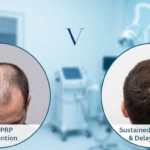
Platelet-rich plasma (PRP) therapy and stem cell therapy are both advanced medical treatments that promote healing and regeneration. However, they are distinct in their mechanisms, sources, and applications. PRP therapy uses the patient’s own blood, concentrating platelets to aid in tissue healing, while stem cell therapy leverages stem cells to regenerate damaged tissues.
Introduction
When it comes to regenerative medicine, Platelet-Rich Plasma (PRP) Therapy and Stem Cell Therapy are two popular treatments that often confuse individuals seeking solutions for hair loss, joint pain, and skin rejuvenation. The difference between platelet-rich plasma therapy and stem cell therapy lies primarily in their source, mechanism, and specific applications. While both therapies use the body’s natural healing properties, they are designed to address different medical concerns. In this article, we’ll dive into Is Platelet-Rich Plasma Therapy the Same as Stem Cell Therapy the details of each therapy, compare their key differences, and help you decide which treatment might be best for your specific needs.
What is Platelet-Rich Plasma Therapy?
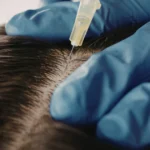
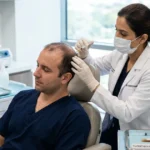
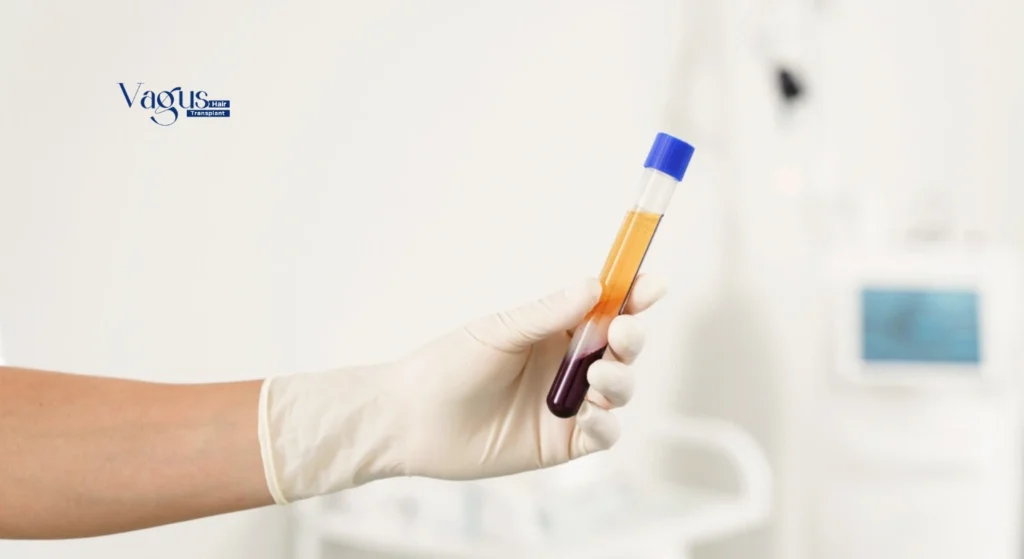
PRP therapy involves drawing a small amount of the patient’s blood, processing it to concentrate the platelets, and then re-injecting this concentrated plasma into the treatment area. The high concentration of platelets accelerates healing by delivering growth factors that promote tissue regeneration. PRP therapy for hair loss, for instance, stimulates hair follicles, encouraging natural regrowth.
What is Stem Cell Therapy?
Stem cell therapy, on the other hand, uses stem cells that can differentiate into various types of cells to repair or regenerate damaged tissues. Unlike PRP, which utilizes platelets, stem cells have the potential to regenerate entire tissues, making them a more versatile option for a variety of conditions, such as cartilage repair and wound healing.
Why Compare These Two Treatments?
Both PRP therapy for hair loss and stem cell treatments for regeneration offer promising results, but they target different aspects of the healing process. Understanding their differences can help you make an informed decision based on your medical needs and desired outcomes.
1. Understanding Platelet Rich Plasma Therapy (PRP)
How PRP Therapy Works
PRP therapy works by concentrating platelets from the patient’s blood, which are rich in growth factors that stimulate cell repair and regeneration. The PRP is then injected into the target area, whether it’s the scalp, joints, or skin.
Applications of PRP Therapy
PRP is commonly used for hair restoration, tendon injuries, osteoarthritis, and skin rejuvenation.
Benefits of Platelet-Rich Plasma Therapy
- Minimally invasive
- Uses the patient’s own blood, reducing the risk of rejection
- Promotes faster healing and tissue regeneration
Potential Risks and Side Effects of PRP
- Swelling and mild pain at the injection site
- Infection (though rare)
- Bruising or irritation
2. Understanding Stem Cell Therapy
How Stem Cell Therapy Works
Stem cell therapy involves using stem cells that can differentiate into various cell types to replace damaged tissue. These cells can be sourced from bone marrow, fat tissue, or even donated stem cells.
Types of Stem Cells Used in Therapy
- Adult stem cells (from bone marrow or adipose tissue)
- Embryonic stem cells (used in more experimental treatments)
Applications of Stem Cell Therapy
Stem cell therapy is used for conditions like joint degeneration, spinal cord injuries, heart disease, and skin regeneration.
Benefits of Stem Cell Therapy
- Can regenerate entire tissues
- Offers long-term healing potential
- Useful for a wide range of conditions
Potential Risks and Side Effects of Stem Cells
- Infection at the injection site
- Rejection of cells, particularly in cases of non-autologous stem cells
- Tumor formation (in rare cases with embryonic stem cells)
3. Key Differences Between PRP and Stem Cell Therapy
Mechanism of Action
- PRP stimulates healing through platelets and growth factors.
- Stem cells regenerate tissue by differentiating into various cell types.
Source of Cells
- PRP uses the patient’s own blood.
- Stem cells can be sourced from various places, including bone marrow or fat.
Treatment Duration and Frequency
- PRP typically requires multiple sessions, often spaced a few weeks apart.
- Stem cell therapy may require fewer sessions depending on the condition.
Cost Comparison
- PRP therapy tends to be less expensive than stem cell therapy.
- Stem cell therapy can be significantly more costly due to the complexity of stem cell extraction and processing.
Success Rate in Various Conditions
- PRP has shown great results for hair restoration, tendon injuries, and skin rejuvenation.
- Stem cell therapy is often more effective for severe tissue degeneration, such as joint issues and spinal injuries.
4. Which Treatment is Better for Specific Conditions?
Hair Loss Treatment: PRP vs Stem Cells
PRP is often the preferred treatment for hair loss due to its ability to stimulate hair follicle regeneration. Stem cells, while more potent, are still in the experimental stages for hair transplant.
Joint and Muscle Pain: Which Therapy is More Effective?
Stem cell therapy is more widely used for joint and muscle pain, particularly in cases of cartilage degeneration, as it has the potential to regenerate full tissue structures.
Skin Rejuvenation and Anti-Aging: PRP or Stem Cell Therapy?
PRP is more commonly used for non-invasive skin treatments, whereas stem cells are used for more intensive regenerative treatments in dermatology.
5. Scientific Research and Evidence
Studies Supporting PRP Therapy
Numerous studies support the efficacy of PRP for hair restoration, tendon healing, and skin rejuvenation. Clinical trials have shown significant improvement in hair density and thickness for patients with androgenic alopecia.
Studies Supporting Stem Cell Therapy
Stem cell therapy has shown promising results in regenerating damaged tissues in preclinical studies. However, its use in clinical settings is still under investigation, particularly for spinal injuries and heart diseases.
Comparative Effectiveness: What Does Research Say?
Research indicates that while PRP therapy offers immediate benefits for healing and hair growth, stem cell therapy may provide more comprehensive long-term regeneration for severe injuries and chronic conditions.
6. Cost of PRP and Stem Cell Therapies
Average Cost of Platelet Rich Plasma Therapy
PRP therapy typically costs between $500 to $2,000 per session depending on the treatment area.
Average Cost of Stem Cell Therapy
Stem cell therapy can cost anywhere from $3,000 to $10,000 per session, depending on the type of stem cells used and the procedure’s complexity.
Insurance Coverage and Accessibility
PRP is often covered by insurance for certain medical conditions, but stem cell therapy is usually considered experimental and may not be covered by insurance.
7. Safety and Side Effects
PRP Therapy Safety Profile
PRP therapy is considered safe, as it uses the patient’s own blood, minimizing the risk of allergic reactions or complications.
Stem Cell Therapy Safety Profile
Stem cell therapy has a higher risk of complications, including infection and rejection, especially when stem cells from a donor are used.
What to Expect During and After Treatment
Both treatments are minimally invasive, but PRP requires less recovery time, while stem cell therapy may require longer healing periods depending on the severity of the condition treated.
8. Choosing the Right Treatment for You
Factors to Consider: Your Condition, Goals, and Budget
Choose PRP therapy if you are looking for a less expensive, less invasive option for hair loss or minor injuries. Opt for stem cell therapy if you need a more powerful solution for chronic or severe conditions like arthritis or tissue degeneration.
Consulting with Your Healthcare Provider
Before making a decision, consult with a healthcare provider who can guide you based on your specific medical needs and goals.
Personal Stories and Testimonials
Many patients have reported excellent results with both therapies, but the choice between PRP and stem cells ultimately depends on the condition being treated.
Final Thoughts
PRP therapy and stem cell therapy are innovative treatments in regenerative medicine, the key differences lie in their mechanisms, the sources of the cells, and the conditions they treat most effectively. PRP is ideal for less severe conditions and offers a quicker recovery, while stem cell therapy provides a more robust solution for chronic and degenerative issues.
Choosing the right treatment depends on your condition, the desired outcome, and your budget. Discuss with your healthcare provider to make an informed decision that best aligns with your medical needs.
If you’re considering regenerative treatments like Platelet-Rich Plasma (PRP) Therapy or Stem Cell Therapy, it’s important to consult with a healthcare professional who can guide you towards the best option for your unique needs.
Frequently Asked Questions
1. Is PRP therapy as effective as stem cell therapy for hair loss? PRP therapy is effective for many individuals experiencing hair loss, but stem cell therapy may offer more long-term results, especially in more severe cases.
2. Can stem cell therapy help with joint pain? Yes, stem cell therapy has shown great promise in regenerating cartilage and alleviating joint pain, especially in conditions like osteoarthritis.
3. How many sessions of PRP therapy are needed for hair restoration? Typically, 3-4 sessions of PRP therapy are recommended, spaced about a month apart.
4. Is stem cell therapy safe? While generally safe, stem cell therapy comes with risks like infection and tissue rejection, particularly if the cells are not from the patient’s own body.
5. What is the cost difference between PRP and stem cell therapy? PRP therapy is more affordable, typically ranging from $500 to $2,000, while stem cell therapy can cost between $3,000 to $10,000 per session.
If you’re considering regenerative treatments like Platelet-Rich Plasma (PRP) Therapy or Stem Cell Therapy, it’s important to consult with a healthcare professional who can guide you towards the best option for your unique needs. Whether you’re looking for a solution for hair loss, joint pain, or skin rejuvenation, our expert team is here to help you make an informed decision. Contact us today to schedule a consultation and discover how these therapies can help you achieve your health and wellness goals!