The key difference between red light therapy and infrared therapy is how deeply the wavelengths penetrate the body. Red light therapy uses visible red wavelengths that stay near the skin’s surface, making it ideal for anti-aging, skin rejuvenation, hair growth, and surface-level healing. Infrared therapy uses invisible wavelengths that travel much deeper into muscles, joints, and bones, making it far more effective for pain relief, inflammation reduction, muscle recovery, and circulation improvement. Both therapies are useful, but they treat different layers of the body and serve different purposes.
Introduction
Many people wonder, “What Are the Differences Between Red Light Therapy and Infrared Therapy?” because both treatments are often used in wellness centers, saunas, and home LED devices. However, despite looking similar, they work very differently. Understanding what’s the difference between red light therapy and infrared therapy? helps you select the right treatment for your goals, whether it’s younger-looking skin or relief from chronic pain.
People often assume both therapies offer the same benefits, but red light focuses on superficial skin-level improvements, while infrared light therapy targets deep tissues, muscles, and joints. This difference is crucial because choosing the wrong one can slow your progress or limit results.
What People Often Get Confused About
Most confusion comes from the fact that both therapies use light, frequently come in the same devices, and are often marketed together. But their wavelengths, depth of penetration, and biological effects are not the same.
Why Understanding the Differences Matters
Choosing the correct therapy ensures:
- Better, faster results
- Proper device selection
- Safer treatment
- Cost savings
For instance, spending money on a red light device for chronic back pain won’t be effective, while choosing a powerful infrared therapy device for facial skin care may be unnecessarily intense.
What Is Red Light Therapy?
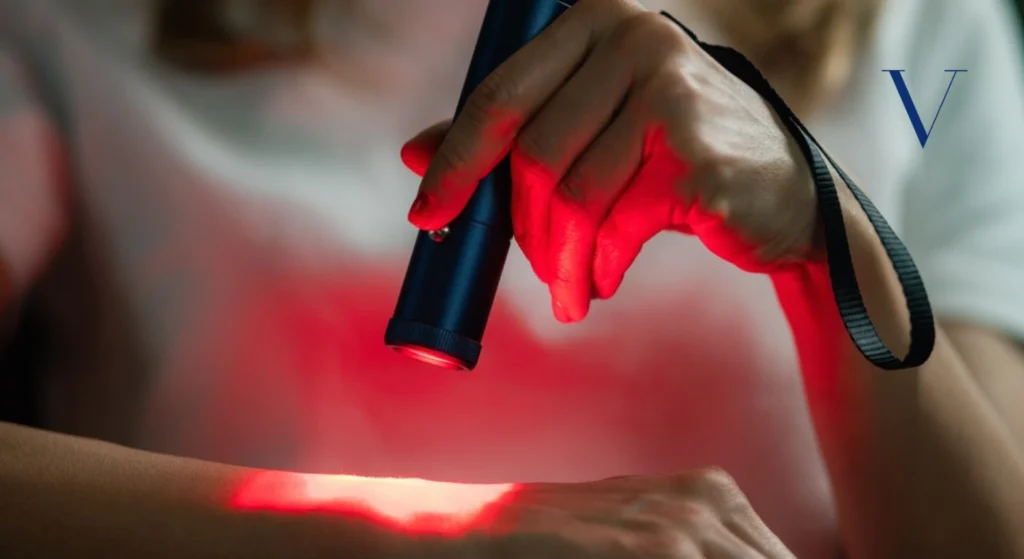
Red light therapy uses visible red wavelengths that mainly target the skin’s outer layers. Because these wavelengths don’t travel deeply into the body, the therapy is especially effective for treatments related to the surface tissues of the skin, where it can influence cellular repair and rejuvenation.
How Red Light Works (Wavelengths Explained Simply)
Most red light therapy devices operate around 630 nm and 660 nm. The 630 nm wavelength focuses on the epidermis, the very outer layer of the skin, while 660 nm penetrates slightly deeper into the dermis. When these wavelengths reach the mitochondria inside the cells, they help stimulate greater production of ATP, which serves as the body’s cellular energy source. This boost in energy encourages natural healing responses, promotes rejuvenation, and helps reduce inflammation in surface tissues.
What Red Light Therapy Is Commonly Used For
Because red light reaches only the upper layers of the skin, it is particularly effective for cosmetic and surface-level therapeutic purposes. It is widely used to enhance skin rejuvenation by improving texture, radiance, and overall brightness. In anti-aging treatments, red light helps stimulate collagen and elastin production, which leads to firmer, smoother-looking skin. It is also known to support hair growth by energizing hair follicles and improving blood flow to the scalp. In addition, red light is beneficial for surface wound healing, helping with cuts, scars, and acne-related inflammation, while also improving skin tone and reducing redness from conditions such as rosacea or sun damage.
Benefits Backed by Research
Scientific studies indicate that red light therapy can increase collagen production by up to 30%, which is why it is highly effective for anti-aging and skin repair. It has also been shown to reduce wrinkles and fine lines by supporting overall skin health. Research suggests that red light may assist with lymphatic drainage, helping the body eliminate toxins more effectively, while also improving blood flow near the surface of the skin. Its ability to reduce oxidative stress contributes to its anti-inflammatory and healing effects.
Limitations of Red Light Therapy
Despite its many benefits, red light therapy is limited by its shallow penetration depth of only about 5–10 millimeters. This means it cannot reach deeper structures such as joints, bones, or severely injured muscle tissue. Because of this, it is not the best choice for treating deep pain or internal inflammation. Additionally, the effectiveness of red light therapy relies heavily on consistent, long-term use, as results tend to appear gradually rather than immediately.
Related, Laser Hair Transplant with Laser Technology
What Is Infrared Therapy?
Infrared therapy uses wavelengths that extend beyond the visible red spectrum. Although these wavelengths cannot be seen with the naked eye, they are powerful enough to penetrate deep into the body’s tissues. This deep-reaching ability makes infrared therapy effective for targeting muscles, joints, ligaments, bones, and other underlying structures.
Near, Mid, and Far Infrared: What They Mean
Near-infrared (NIR) typically ranges from 700–1200 nm and offers the deepest penetration, making it suitable for reaching cells and tissues located beneath the surface. Mid-infrared (MIR) reaches moderate depths and is often associated with improved circulation and soft-tissue repair. Far-infrared (FIR) primarily produces heat and is commonly used in infrared saunas for relaxation and detoxification.
How Infrared Penetrates Deeper Into the Body
Infrared wavelengths are capable of moving through layers of skin, fat, and tissue with very little resistance. Because of this, they travel far deeper than visible red light, reaching muscles, tendons, ligaments, joints, bones, and other deep tissues. This deeper penetration is what allows infrared therapy to address conditions that lie far below the skin’s surface.
Common Uses of Infrared Therapy
Infrared therapy is widely used for pain relief and is especially helpful for conditions such as arthritis, back pain, nerve discomfort, and chronic inflammation. Athletes frequently use it to support faster muscle recovery and reduce stiffness after training. It also assists in joint and bone healing by improving mobility and minimizing discomfort from injury. Because infrared increases blood flow, it enhances circulation and oxygen delivery throughout the treated area. Its ability to lower inflammation deep within the tissues adds to its therapeutic value. FIR-based treatments, such as infrared saunas, are also popular for relaxation and detoxification.
Benefits Backed by Research
Studies have shown that infrared therapy can significantly increase blood flow, sometimes by as much as 200%. It has also been associated with up to a 50% reduction in chronic pain, along with improvements in mobility and range of motion. Infrared can accelerate deep-tissue repair and help reduce the buildup of lactic acid, supporting quicker physical recovery.
Limitations of Infrared Therapy
Infrared therapy is not the best choice for purely cosmetic concerns, as its benefits focus more on deep tissues than the skin’s surface. Because it produces heat, some individuals may find it uncomfortable or unsuitable, especially if they are sensitive to warmth. Misuse or excessive exposure may lead to overheating. Additionally, for infrared therapy to be effective, the device used must provide the appropriate wavelength and power output.
Red Light Therapy vs. Infrared Therapy: Key Differences
Wavelength & Penetration Depth (Detailed Comparison)
| Feature | Red Light Therapy | Infrared Therapy |
| Wavelength | 620–700 nm | 700–1000+ nm |
| Visibility | Visible red | Invisible |
| Penetration | 5–10 mm (skin depth) | Several centimeters |
| Heat | No heat | Mild to moderate heat |
| Target Areas | Skin & surface tissues | Muscles, joints, bones |
| Best For | Anti-aging, skin rejuvenation, hair growth | Pain relief, recovery, inflammation |
Cellular Effects
- Red light improves collagen production, skin cell renewal, and surface healing.
- Infrared therapy enhances deep cell regeneration and increases blood flow to deeper tissues.
Conditions Each Is Better For
- Red Light Therapy: wrinkles, acne scars, sun damage, dull skin, hair loss
- Infrared Therapy: arthritis, sciatica, neck pain, joint stiffness, sports injury
Detailed Comparison Table (Extended)
| Category | Red Light Therapy | Infrared Therapy |
| Wavelength Range | 620–700 nm | 700–1200+ nm |
| Penetration Depth | Shallow (skin) | Deep (muscles + joints) |
| Visibility | Visible red | Invisible |
| Heat Level | Non-heating | Warm/Heating |
| Skin Benefits | Excellent | Mild |
| Pain Relief | Limited | Excellent |
| Inflammation Relief | Surface level | Deep tissue |
| Anti-Aging | Highly effective | Not ideal |
| Muscle Recovery | Limited | Very effective |
| Bone Healing | Not effective | Effective |
| Best Device Types | LED beauty panels | NIR lamps, saunas, therapy devices |
| Ideal Users | Those seeking cosmetic improvements | Athletes, chronic pain sufferers |
| Cost | Low to medium | Medium to high |
Should You Choose Red Light or Infrared?
Best Choice for Skin Concerns
Red light therapy is the most effective option for improving skin-related issues because it directly targets the layers where collagen and elastin are formed. These are the structural proteins responsible for firmness, elasticity, and overall skin health, making red light ideal for anti-aging, rejuvenation, and improving skin tone.
Best Choice for Pain and Inflammation
Infrared therapy is the superior choice when addressing pain or deeper inflammation, as it penetrates several centimeters into the body. This depth allows it to reach areas like arthritic joints, sciatic nerve pathways, muscle spasms, and soft-tissue injuries. Because infrared wavelengths warm and stimulate deeper tissues, they provide more effective relief for chronic pain and inflammation than red light alone.
Best for Athletic Recovery
Athletes or individuals recovering from intense workouts often benefit more from infrared therapy. Its ability to enhance circulation, reduce lactic acid buildup, and stimulate faster cellular repair helps the muscles recover more efficiently. This makes infrared therapy a valuable tool for performance enhancement and injury prevention.
Best for Whole-Body Treatments
Infrared saunas are particularly effective for full-body treatments. They help promote detoxification, support deeper relaxation, and improve sleep quality. The gentle heat produced by far-infrared wavelengths encourages sweating and circulation, leading to an overall sense of wellness and stress relief.
Can You Use Red Light and Infrared Together?
Using both red light and infrared therapy together can be highly beneficial. Many modern devices combine the two because they offer a wider range of therapeutic advantages when used simultaneously. This combination provides both surface-level cosmetic improvements and deeper internal healing, making it ideal for people who want comprehensive wellness benefits from a single treatment.
Why Many Devices Combine Both
Combination therapy panels deliver a full-spectrum solution, giving users access to both cosmetic and therapeutic effects in one device. While red light focuses on improving skin, infrared supports deeper tissue repair and recovery, making the blended approach more versatile and effective.
When Combination Therapy Is Beneficial
Using both therapies together works well for full-body wellness routines, especially when someone wants to improve skin appearance while also supporting muscle recovery. It is also helpful for individuals who want anti-aging results and pain relief in the same session, making the treatment more efficient and time-saving.
When to Avoid It
There are situations where combination therapy may not be ideal. Individuals who are sensitive to heat, those who are pregnant, or those who have been advised by a medical professional to avoid infrared should stick to red light therapy alone, as it does not produce heat and is gentler on the body.
Safety Considerations
Both red light and infrared therapy are generally considered safe when used correctly. Some people may experience mild temporary redness after a session, while others might feel a warm sensation due to the heat produced by infrared light. Overuse may lead to dry skin, but this can be managed by following recommended guidelines and maintaining hydration.
When Not to Use These Therapies
There are certain situations where caution or professional guidance is essential. People with active cancer should consult their doctor before using light therapies. Those with melasma should be cautious, as red light may worsen pigmentation in some cases. Individuals with severe photosensitivity should also seek medical advice before treatment. Those with pacemakers or metal implants should approach infrared therapy carefully due to the heat it generates.
Safe Usage Guidelines
For best results, sessions typically last between ten and fifteen minutes, with the device positioned six to eighteen inches from the treatment area. Most users find that using the therapy three to five times per week offers the best balance of results without overuse. Staying hydrated, especially before infrared sessions, helps support detoxification and prevents overheating.
How to Choose the Right Device
When selecting a device, paying attention to wavelengths is important. Red light devices generally work best in the 630–660 nm range, while the ideal near-infrared wavelengths fall between 810 and 850 nm. Power and irradiance levels also matter, with reliable devices offering around 80–120 mW/cm² and equipped with medical-grade LEDs that distribute light evenly across the treatment area.
LED Panels vs. Handheld Devices vs. Infrared Saunas
LED panels are suited for general skin health and full-body wellness because they cover larger areas. Handheld devices are designed for smaller, targeted spots such as the face or joints. Infrared saunas are especially beneficial for those looking to support detoxification, enhance circulation, and experience deeper relaxation through gentle heat therapy.
Budget vs. Performance
Higher-priced devices often provide better value over time. They usually come with stronger irradiance levels, more precise wavelength delivery, and greater durability. While budget devices can still be effective, premium models tend to produce more consistent and noticeable results.
Common Myths and Misconceptions
A common misunderstanding is the belief that infrared and red light are the same. In reality, they differ significantly in wavelength, penetration depth, heat production, and the type of benefits they offer. Another misconception is that infrared therapy is dangerous; however, clinical infrared therapy is safe when used properly, and risks mainly arise from poor-quality devices or incorrect use. Some also assume that higher power levels automatically mean better results, but excessive power can irritate the skin or cause overheating. Balance and proper usage are far more important than raw intensity.
Conclusion
Red light and infrared therapy each offer unique benefits. Red light excels in supporting beauty and skin health, while infrared is more effective for deep healing, pain relief, and recovery. Your choice depends on your goals: individuals focused on glowing skin, hair health, and surface rejuvenation will benefit most from red light, while those dealing with muscle pain, inflammation, or recovery needs will find infrared more suitable. For overall wellness, combining both therapies is often the most effective approach.
Frequently Asked Questions
1. Can red light and infrared therapy be used on the same day?
Yes, they can even be used in the same session.
2. How long until I see results?
- Red light: 3–6 weeks
- Infrared: 1–3 sessions for pain relief
3. Are there age restrictions?
Suitable for all adults unless medically advised otherwise.
4. Does red light help with pain?
Only for mild, surface-level inflammation—infrared is better for pain.
5. Is daily use safe?
Yes, when sessions are kept within recommended time limits.