Yes, minoxidil is generally safe for women when used correctly. The FDA-approved 2% solution is considered the safest option, while the 5% version may offer stronger results but can also lead to more side effects. Some women may experience temporary shedding, dryness, or mild irritation, but serious side effects are rare. Pregnant and breastfeeding women should avoid using minoxidil due to potential risks.
Introduction
If you’re dealing with hair thinning, it’s natural to ask, “is minoxidil safe for women?” As one of the most widely recommended treatments for female-pattern hair loss, minoxidil is often the first solution dermatologists suggest. But before starting, it’s important to understand is minoxidil safe for women?, how it works, the potential side effects, and who should not use it.
Most women can safely use minoxidil, and many see noticeable improvements in thickness and regrowth. However, understanding its safety profile and proper usage is essential, especially with concerns about minoxidil for women side effects and long-term dependency. This guide covers everything you need to know.
What Is Minoxidil and Why Do Women Use It?
How Minoxidil Helps with Hair Growth
Minoxidil works by boosting blood flow to the hair follicles and extending the growth phase of the hair cycle. This encourages follicles to produce thicker, healthier strands over time. For many women dealing with female-pattern hair loss, minoxidil helps slow down shedding and supports visible regrowth.
FDA Approval and Recommended Uses for Women
The FDA has officially approved the 2% topical minoxidil solution for women. Although the 5% version is technically approved for men, many dermatologists prescribe it off-label for women who need stronger support. Women often use minoxidil to treat hereditary hair thinning, diffuse hair loss, or gradual reduction in hair density.
Is Minoxidil Safe for Women?
Overall Safety Profile
Overall, minoxidil is considered a safe and reliable treatment for female-pattern hair loss. It has been used for decades and has a well-documented safety record. Most users experience only mild side effects, if any, and these usually improve as the scalp adjusts to the product.
What Dermatologists Say About Minoxidil for Women
Dermatologists frequently recommend minoxidil as the first-line treatment for women because it has consistent results across a wide range of hair-loss conditions. Specialists emphasize that using the correct strength and applying it properly significantly reduces the risk of side effects.
Minoxidil 2% vs 5% for Women
Safety Differences Between 2% and 5%
Minoxidil 2% is known for being gentle, predictable, and best suited for women with sensitive scalps or mild thinning. In contrast, minoxidil 5% tends to work faster and may provide stronger results, but it also carries a slightly higher risk of irritation, dryness, and unwanted hair growth around the face.
Which Strength Is Better for Female Hair Loss?
The best option depends on individual needs. Women with mild to early-stage thinning often do well with the 2% solution. Those with more noticeable shedding or advanced thinning may benefit from the 5% version under dermatological supervision. The key is choosing a strength that balances effectiveness and comfort.
Related, Can I Use Minoxidil After Hair Transplant? A Comprehensive Guide to Safe Use and Recovery
Side Effects of Minoxidil in Women
Common Side Effects (Itching, Dryness, Shedding)
Some women experience itching, dryness, or mild flaking as the scalp adjusts to minoxidil. Temporary shedding may also occur during the first few weeks as older hairs fall out to make room for new growth. These effects are usually short-lived and improve with regular use.
Serious or Less Common Side Effects
In rare cases, women may experience symptoms such as dizziness, swelling, or a rapid heartbeat. These reactions are uncommon but require immediate medical attention to ensure safety.
Does Minoxidil Cause Facial Hair Growth in Women?
Unwanted facial hair can occur if minoxidil trickles onto the face or if the stronger 5% solution is used incorrectly. Keeping the application limited to the scalp and washing hands after use greatly reduces this risk.
Who Should Not Use Minoxidil?
Medical Conditions That May Conflict with Minoxidil
Women with heart conditions, low blood pressure, or sudden unexplained hair loss should avoid using minoxidil unless approved by a doctor. These conditions may affect how the body responds to topical absorption.
Scalp Issues That Make Minoxidil Unsafe
Using minoxidil on damaged, sunburned, or inflamed skin can increase absorption and irritate the scalp further. Women with severe eczema or scalp infections should wait until their skin heals before applying the product.
Drug Interactions to Be Aware Of
Certain medications may interact with minoxidil, particularly drugs for blood pressure or heart rhythm issues. Anyone on prescription medication should consult their healthcare provider before starting treatment.
Is Minoxidil Safe During Pregnancy or Breastfeeding?
Why Doctors Advise Against It
Doctors typically advise women to avoid minoxidil during pregnancy because even small amounts absorbed through the skin could potentially affect the baby. The safety data for pregnancy is limited, making caution necessary.
Potential Risks to Baby
Some studies indicate potential developmental risks, so pregnant or breastfeeding women should discontinue minoxidil to avoid any possibility of harm.
How Women Should Use Minoxidil Safely
Step-by-Step Application Guide
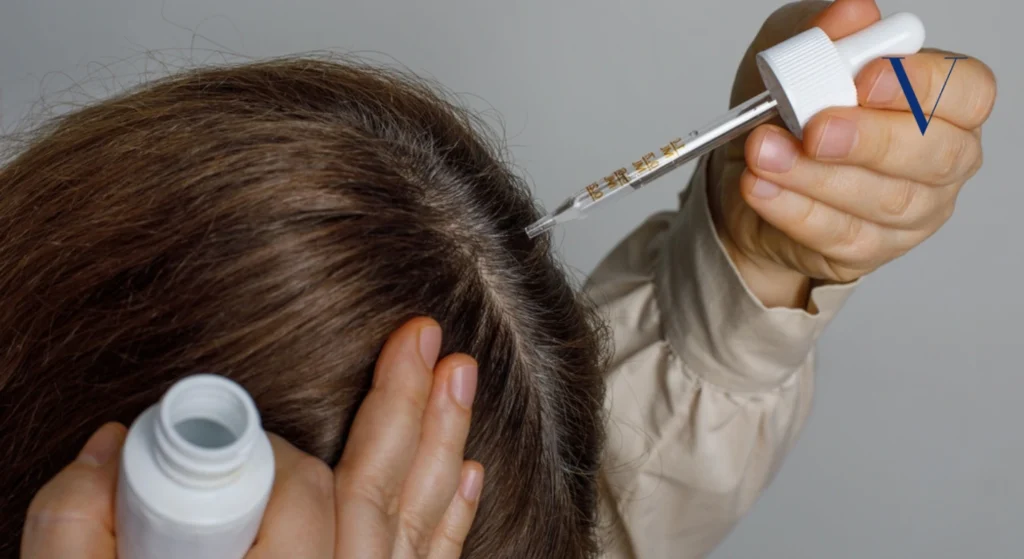
- Apply minoxidil to a clean, dry scalp, focusing on thinning areas.
- Gently massage it in and allow it to fully absorb before applying other products.
How Much to Apply and How Often
Women typically use 1 ml once or twice daily, depending on the strength and dermatologist recommendations. Overuse does not speed up results; it only increases the chance of irritation.
Tips to Reduce Side Effects
Applying minoxidil consistently, avoiding excess application, and using gentle scalp care products can help minimize dryness and irritation. Ensuring the product stays on the scalp and off the face also helps prevent unwanted hair growth.
How Quickly Does Minoxidil Work for Women?
Expected Timeline (Shedding, Early Growth, Results)
Most women begin noticing changes after two to three months, although early shedding can occur in the first few weeks. Most women notice visible improvements by the three- to four-month mark, with full results developing over six to twelve months.
What Realistic Progress Looks Like
Progress often looks like gradually thicker strands, improved volume, less visible scalp, and reduced shedding. Minoxidil tends to enhance the hair you already have rather than creating entirely new follicles.
Related, Does Minoxidil Work for Women? A Full Guide to Effectiveness, Safety & What to Expect
FDA Approval and Recommended Uses for Women
The FDA has officially approved the 2% topical minoxidil solution for women to treat hereditary hair thinning. The FDA regulates minoxidil as an over-the-counter medication, ensuring it meets strict safety and quality standards before it reaches consumers. This approval reassures women that the product has undergone thorough testing for both safety and effectiveness. Although the 5% version is formally approved for men, many dermatologists prescribe it off-label for women who require a stronger solution or faster results. Women commonly use minoxidil to address gradual thinning, diffuse shedding, and reduced density associated with female-pattern hair loss.
What Happens If a Woman Stops Using Minoxidil?
Will Hair Fall Out Again?
Once treatment stops, hair often reverts to its previous thinning pattern. The improvements gained from minoxidil are generally not permanent without continued use.
Long-Term Expectations
Minoxidil works for as long as it’s used, which is why many women continue it long-term to maintain results. Stopping the treatment causes gradual shedding over a few months.
Alternatives to Minoxidil for Women
Natural Alternatives (Rosemary, Microneedling)
Some women prefer natural methods like rosemary oil, scalp massages, or microneedling, which can improve follicle stimulation and enhance circulation. While results vary, these options can support healthier hair growth with fewer side effects.
Medical Alternatives (Spironolactone, PRP, Finasteride for Women)
Medical treatments like spironolactone, finasteride (for select cases), and platelet-rich plasma (PRP) therapy offer additional ways to manage hair loss. These solutions work differently from minoxidil and are often recommended for hormonal or advanced hair thinning.
Frequently Asked Questions
Can Women Use Minoxidil Long-Term?
Yes, long-term use is safe for most women and often necessary to maintain results.
Is Minoxidil Safe for Color-Treated Hair?
Minoxidil is typically safe for color-treated hair. It’s best to apply it when the scalp is fully dry after coloring to avoid irritation.
Can Minoxidil Make Hair Loss Worse at First?
Yes, initial shedding is common and usually indicates that new hair growth cycles are beginning.
Summary of Safety, Effectiveness & Who Should Consider It
Minoxidil is a safe, effective, and well-studied treatment for many women experiencing thinning hair or female-pattern hair loss. While it may cause mild side effects, most are manageable and temporary. Women who are pregnant, breastfeeding, or dealing with certain medical conditions should avoid it, but for many others, minoxidil can be a valuable tool for restoring confidence and improving hair density.