When considering hair transplant surgery, pain is a major concern for many patients. The good news is that advancements in technology and techniques have made the procedure far more comfortable. While there might be some discomfort, most patients report minimal pain, especially with modern methods like FUE and DHI. Local anesthesia ensures that the area being treated remains numb throughout the procedure. Post-surgery pain is typically mild and manageable with over-the-counter medication. In this blog, we will explore the pain levels involved in hair transplant surgery, compare different techniques, and offer recovery tips to minimize discomfort.
Introduction
Is hair transplant surgery painful? This is one of the most common questions asked by individuals considering a hair restoration procedure. Hair transplant surgery has come a long way in terms of pain management. Thanks to modern techniques like FUE (Follicular Unit Extraction) and DHI (Direct Hair Implantation), patients can undergo the procedure with minimal discomfort. In fact, many report little to no pain during the procedure itself. However, understanding the pain level during and after the surgery is crucial for setting realistic expectations. Let’s dive into what you can expect in terms of pain, from the procedure to recovery, and how various techniques influence the discomfort level.
What to Expect During Hair Transplant Surgery: Pain and Discomfort
The Role of Local Anesthesia in Hair Transplant Surgery
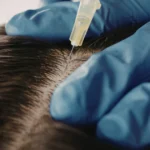
During hair transplant surgery, the patient typically receives local anesthesia to numb the scalp. This numbing process ensures that the procedure, including the harvesting and implantation of hair follicles, is virtually painless. The most noticeable sensation might be the initial needle prick for the anesthesia, but once the area is numb, the patient generally feels no pain.
Pain During Hair Transplant Procedures: FUE vs. DHI
- FUE (Follicular Unit Extraction): FUE (Follicular Unit Extraction) is a minimally invasive procedure where individual hair follicles are extracted and implanted into thinning areas. The pain level is usually mild, with most patients only feeling slight pressure or discomfort during the follicle extraction process.
- DHI (Direct Hair Implantation): DHI is another method that doesn’t require shaving the head, and the procedure tends to be more refined. Patients generally report less pain during this process, as the implantation technique is more precise and less invasive. However, some mild discomfort may still occur.
Pain During Recovery: What to Expect After the Surgery
Post-surgery discomfort is common but usually mild and manageable. Most patients experience a tight feeling or mild soreness on the scalp for a few days after the surgery. Swelling, redness, and slight itching are also common during the first few days. Over-the-counter pain relievers are typically enough to manage these symptoms, and the pain tends to subside within a week.
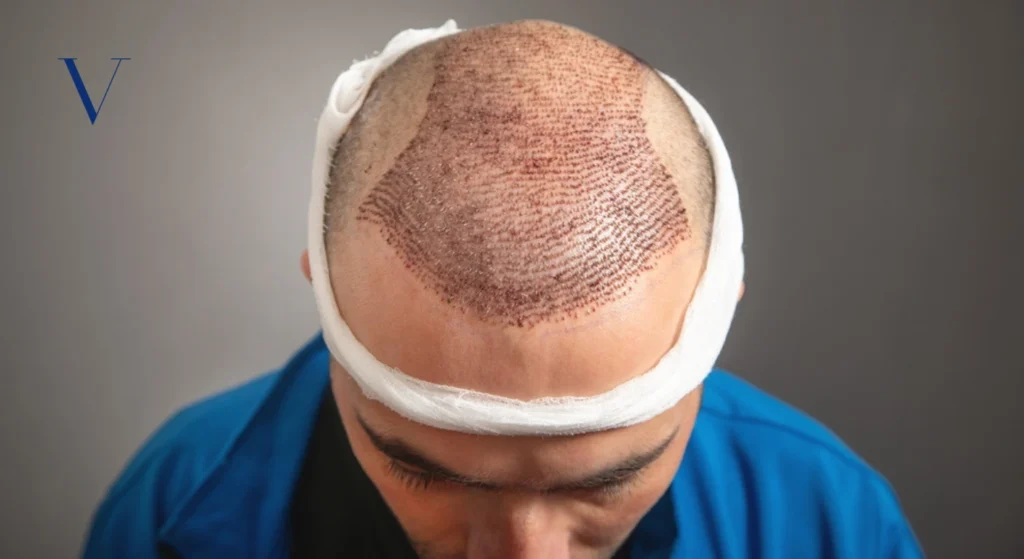
Hair Transplant Surgery: Understanding the Recovery Timeline and Pain Levels
Month 1: Immediate Recovery and “Shock Loss”
During the first month, pain is typically at its peak, but it’s mostly confined to the days following the procedure. The “shock loss” phase refers to the shedding of transplanted hairs, which can be worrying but is a normal part of the process. The scalp might be sore during this time, but discomfort generally fades after the first few days.
Month 2-3: Healing and New Growth
By the second and third months, the discomfort should be minimal. The new hair follicles are beginning to take root, and the pain is typically reduced to mild itching or tenderness in the treated area. At this point, most of the swelling and redness will have subsided.
Month 4-6: Continued Growth and Thicker Hair
During this phase, you should notice the initial signs of hair growth. While the transplanted hair may appear fine or patchy, the pain associated with the surgery will be completely gone. Any residual discomfort from the scalp should have dissipated, leaving you with a comfortable recovery experience.
Month 12 and Beyond: Full Results and Thickened Hair
At the one-year mark, hair growth should be more consistent, with most patients achieving a denser, fuller appearance. At this point, any discomfort is completely absent, and the final results of the procedure will be visible.
What Can You Do to Manage Pain During and After Hair Transplant Surgery?
Pre-Surgery: Discussing Pain Management with Your Surgeon
Before undergoing hair transplant surgery, it’s important to discuss your concerns about pain with your surgeon. Your doctor will walk you through the anesthesia process and the steps they take to ensure your comfort. If you’re particularly sensitive to pain, ask about additional numbing options.
Post-Surgery: Recovery Tips to Minimize Pain
- Rest and Avoid Physical Activity: After the procedure, limit physical exertion to prevent swelling and irritation in the scalp.
- Use Ice Packs: Applying ice packs to the forehead can help reduce swelling and ease discomfort.
- Follow Aftercare Instructions: Adhere to your surgeon’s aftercare advice to prevent infection and minimize pain during recovery.
Final Thoughts
In conclusion, while hair transplant surgery may involve some mild discomfort during and after the procedure, it is generally well-managed through modern techniques and pain management strategies. The pain during the surgery is minimal, thanks to local anesthesia, and recovery pain is usually short-lived. By choosing the right procedure (FUE or DHI), following post-surgery instructions, and having realistic expectations, most patients can look forward to a comfortable experience and long-lasting results.
Thinking about a hair transplant but worried about the pain? Rest assured, modern techniques like FUE and DHI make the procedure much more comfortable than ever before. If you’re ready to take the next step toward restoring your hair with minimal discomfort, book a consultation with our expert surgeons today. Get personalized advice and discover which technique is best for you. Don’t let pain be a barrier, let us help you achieve the hair you’ve always wanted!
Frequently Asked Questions
Q1: How much pain can I expect during a hair transplant surgery?
Most patients experience little to no pain during the procedure itself due to local anesthesia. Any discomfort tends to be mild and manageable.
Is the recovery painful after a hair transplant?
Post-surgery pain is typically mild and lasts only a few days. Most patients report minimal discomfort, which can be controlled with over-the-counter pain medication.
Does FUE or DHI cause more pain?
Both techniques are minimally invasive and cause minimal pain. However, DHI tends to be slightly less painful due to its precision and reduced trauma to the scalp.
How long does pain last after hair transplant surgery?
Pain typically lasts only a few days to a week, with most patients experiencing complete relief after the first few days of recovery.
Can I return to work immediately after the surgery?
Most patients can return to work within a few days, but it’s recommended to avoid strenuous activities for about a week to allow the scalp to heal properly.