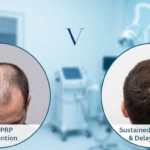
PRP injections, or Platelet-Rich Plasma injections, harness the body’s own blood to promote healing, tissue regeneration, and hair restoration. When extracted and processed, platelets in the blood are concentrated to a higher level, boosting their ability to stimulate healing and rejuvenation. This process is commonly used for various applications, including hair loss treatment, skin rejuvenation, and recovery from injuries. The therapeutic benefits of PRP injections are significant, particularly in how they accelerate tissue repair and growth by stimulating collagen production and increasing blood flow to targeted areas.
Introduction
PRP injections have gained significant attention in the medical and cosmetic fields for their ability to harness the body’s natural healing properties. By extracting and concentrating the platelets from the blood, PRP injections can effectively promote tissue regeneration and healing. These injections are widely used for treating hair loss, skin aging, joint pain, and muscle injuries. The key question, however, is how do these injections work in the blood to deliver such benefits? In this article, we’ll explore the science behind PRP injections, their uses, and their benefits.
What Are PRP Injections?
PRP injections are a non-surgical treatment that uses the body’s own blood to promote healing and regeneration. The blood is drawn from the patient, processed to concentrate the platelets, and then re-injected into the body at the site of treatment. These platelets are rich in growth factors that stimulate tissue repair, collagen production, and the healing of damaged areas.
Related; What Are PRP Injections
How PRP (Platelet-Rich Plasma) Is Extracted and Prepared
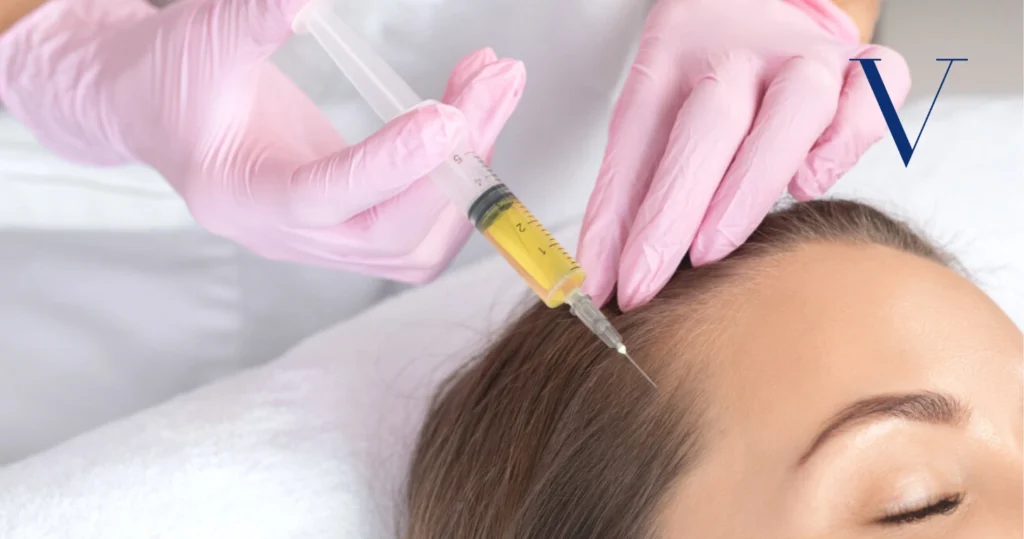
The process starts with a simple blood draw. The blood is then placed in a centrifuge, which spins at a high speed to separate the plasma from the red and white blood cells. The plasma, which contains a high concentration of platelets, is then collected and injected back into the body, specifically targeting areas that need healing or rejuvenation.
Types of PRP Injections and Their Uses
PRP injections have versatile applications, with common uses in:
- Hair Restoration: To promote hair growth and combat hair loss.
- Skin Rejuvenation: To reduce wrinkles, fine lines, and acne scars.
- Injury Treatment: For tendon, ligament, and cartilage repair.
- Joint Pain Relief: To treat osteoarthritis and other chronic pain conditions.
How Do PRP Injections Work?
PRP injections work by stimulating the body’s natural healing processes. When injected into an area of injury or concern, the concentrated platelets release growth factors that promote the repair of damaged tissues and encourage the formation of new cells. This can lead to hair regrowth, smoother skin, and faster recovery from injuries.
The Science Behind Platelet-Rich Plasma Therapy
Platelets are crucial for healing wounds. They contain growth factors, proteins, and enzymes that can speed up the healing process. By concentrating the platelets, PRP injections deliver a potent dose of these healing factors directly to the problem area. This helps to regenerate tissue, reduce inflammation, and stimulate hair follicles for hair growth.
How PRP Stimulates Healing and Regrowth
In hair restoration, PRP injections stimulate the hair follicles, encouraging dormant follicles to grow new hair. In skin treatments, the growth factors promote collagen production, improving skin texture and reducing the appearance of fine lines. For injuries, PRP enhances the body’s natural repair mechanisms by providing more growth factors to the damaged area, speeding up healing.
Benefits of PRP Injections
PRP injections offer a range of benefits, particularly in the fields of hair restoration, skin rejuvenation, and joint injury treatment.
For Hair Restoration:
PRP injections for hair loss have been shown to stimulate hair growth and thicken existing hair. The growth factors in PRP activate hair follicles, promoting the production of new hair strands. This treatment is particularly effective for individuals experiencing thinning hair or early stages of hair loss.
For Skin Rejuvenation:
PRP is increasingly used for skin rejuvenation due to its ability to promote collagen production. This results in smoother, firmer, and more youthful-looking skin. PRP can reduce fine lines, wrinkles, and acne scars, making it a popular option for those seeking non-invasive anti-aging treatments.
For Joint Pain and Injuries:
PRP injections are also used to treat joint pain, particularly in cases of osteoarthritis. The injections can help repair damaged tissues in joints, tendons, and ligaments, reducing pain and promoting healing. PRP has been shown to be effective in treating chronic pain and speeding up recovery after injuries.
Are PRP Injections Safe?
PRP injections are considered safe because they use the patient’s own blood, minimizing the risk of allergic reactions or infections. However, as with any medical procedure, there are potential risks and side effects.
Potential Risks and Side Effects
While rare, side effects may include temporary pain at the injection site, swelling, or redness. In some cases, patients may experience bruising or irritation. It’s important to consult with a qualified professional to ensure safety during the procedure.
Who Should Avoid PRP Injections?
PRP injections are generally safe, but they may not be suitable for individuals with certain conditions, such as active infections, blood disorders, or cancer. Pregnant women and people with autoimmune diseases may also need to avoid this treatment. Always consult with a healthcare provider before undergoing PRP therapy.
What to Expect During a PRP Injection Procedure
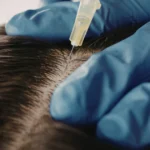
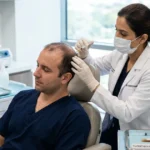
The procedure for PRP injections is minimally invasive and typically takes less than an hour. After the blood is drawn and processed, the PRP is injected into the targeted area using a fine needle. Patients may experience mild discomfort during the procedure, but no anesthesia is required.
How Long Does the Treatment Take?
The entire procedure typically takes about 45 minutes to an hour, including the time needed for blood extraction and platelet concentration. Most patients can return to their normal activities immediately after the procedure.
Recovery Time and Aftercare
After the procedure, patients may experience mild swelling, redness, or discomfort at the injection site. These symptoms typically resolve within a few days. It’s important to follow aftercare instructions provided by the healthcare professional to maximize the effectiveness of the treatment and minimize any risks.
How Effective Are PRP Injections?
The effectiveness of PRP injections can vary depending on the condition being treated and the individual patient. In general, patients can expect noticeable improvements in hair growth, skin texture, and joint pain relief after several sessions.
Expected Results and Timeline
For hair restoration, patients often see results within 3 to 6 months, with hair continuing to improve for up to a year. Skin rejuvenation results may be visible after a few weeks, while joint pain relief can be felt within a few weeks to months.
Case Studies and Patient Testimonials
While results vary, many patients report positive outcomes from PRP injections, particularly for hair restoration and skin rejuvenation. Clinical studies have also demonstrated the effectiveness of PRP in treating joint pain and promoting faster recovery from injuries.
How Much Do PRP Injections Cost?
The cost of PRP injections can vary widely depending on the treatment area, the number of sessions required, and the clinic’s location. On average, each session may cost between $500 to $2,500.
Factors Affecting Cost
Factors that influence the cost include the type of treatment (hair, skin, or joint), the clinic’s reputation, and the geographic location. Patients may need several sessions for optimal results.
Are There Alternatives to PRP Injections?
While PRP injections are highly effective, there are alternative treatments available depending on the condition being treated.
Other Hair Restoration Methods
Alternatives for hair restoration include hair transplants (FUE) or (FUT) (Follicular Unit Transplantation), laser therapy, and topical treatments like minoxidil.
Other Skin Treatments
For skin rejuvenation, alternatives include microneedling, Botox, chemical peels, and laser resurfacing.
PRP Injections for Different Conditions:
- Hair Loss and Thinning Hair: PRP injections stimulate hair follicles to promote growth.
- Acne Scarring and Skin Aging: PRP can improve skin texture and reduce signs of aging.
- Joint Pain Relief and Injury Recovery: PRP promotes healing in tendons, ligaments, and cartilage.
Final Thoughts
PRP injections are a promising treatment for various conditions, from hair loss to joint pain and skin aging. They harness the body’s own healing mechanisms to promote regeneration and healing. If you’re considering PRP injections, consult with a qualified healthcare provider to determine whether this treatment is right for you.
Frequently Asked Questions
1.How Many PRP Treatments Are Needed?
Typically, 3-4 sessions are recommended, spaced a few weeks apart, followed by maintenance treatments every 6-12 months.
2.How Long Do PRP Injection Results Last?
Results can last from 6 months to a year, depending on the condition and individual response.
3.Is PRP Covered by Insurance?
PRP is generally not covered by insurance as it is considered an elective procedure.
4.Can PRP Injections Be Combined with Other Treatments?
Yes, PRP injections can be combined with other treatments like hair transplants, microneedling, or Botox for enhanced results.
If you’re considering PRP injections for hair restoration, skin rejuvenation, or injury recovery, don’t wait to unlock the healing power of your own body. Consult with a qualified healthcare provider today to determine if PRP therapy is right for you. Book your consultation now and take the first step towards a healthier, more rejuvenated you!