When searching for “Can Dandruff Cause Hair Thinning? What You Need to Know About Dandruff and Hair Loss,” many people want to understand whether dandruff contributes to hair thinning or leads to permanent hair loss. In this article, we will explore the potential connection between dandruff and hair thinning, how it affects your scalp, and the impact it has on hair health. We’ll also provide actionable advice on treating dandruff, preventing hair loss, and maintaining a healthy scalp for optimal hair growth.
If you’ve noticed flakes on your shoulders, an itchy scalp, or gradual thinning of your hair, you might wonder, “Can dandruff cause hair thinning?” The answer is yes, dandruff can contribute to hair thinning in some cases. While dandruff itself doesn’t directly cause permanent hair loss, it can cause scalp irritation, inflammation, and follicle damage, which may lead to hair shedding. In this article, we’ll break down the dandruff and hair loss connection, explain how dandruff impacts your scalp health, and offer practical solutions for treating dandruff and preventing hair thinning.
Can Dandruff Cause Hair Thinning?
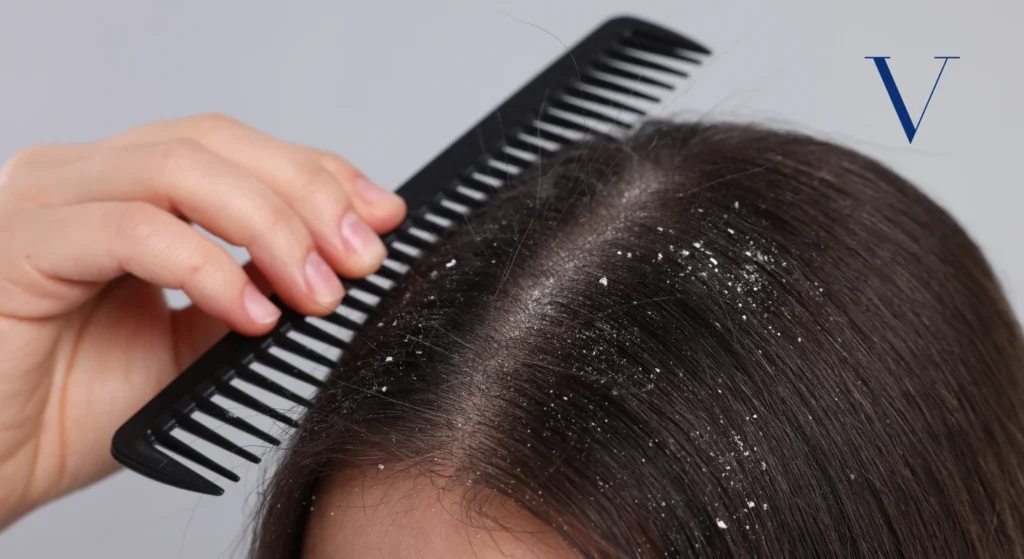
The link between dandruff and hair thinning is not always straightforward. Dandruff itself doesn’t directly cause hair loss, but it can create an unhealthy environment for your scalp. Inflammation from dandruff can weaken hair follicles, which may lead to hair shedding over time. Constant scratching due to an itchy scalp, a common symptom of dandruff, can also damage hair follicles, leading to thinning hair.
Let’s take a closer look at how dandruff can indirectly contribute to hair thinning.
How Dandruff Affects Hair Thinning
Scalp Inflammation and Hair Follicle Damage
Dandruff causing inflammation is one of the main reasons it can lead to hair thinning. When dandruff flakes build up on the scalp, they irritate the skin, triggering an inflammatory response. This inflammation can weaken hair follicles, affecting their ability to grow strong, healthy hair. Over time, this can contribute to hair shedding.
Fungal Infections and Scalp Health
One of the primary causes of dandruff is an overgrowth of the fungus Malassezia. This yeast-like organism feeds on the oils in your scalp, creating an imbalance that causes dandruff. When this fungus thrives unchecked, it can lead to seborrheic dermatitis, a condition that also affects the hair follicles, potentially causing hair loss and thinning.
The Impact of Scratching
We’ve all been there, an itchy, flaky scalp that begs for relief. But scratching your scalp frequently, especially when dealing with dandruff, can harm hair follicles. Scratching too much can lead to follicle damage, weakening them and causing hair to fall out, thus contributing to thinning hair.
Does Dandruff Cause Hair Loss?
Many people wonder, “Does dandruff cause hair loss?” While dandruff itself does not directly cause permanent hair loss, it can lead to hair shedding if left untreated. The key issue here is scalp health. If dandruff causes chronic inflammation or irritation, it may damage the hair follicles, making it harder for your hair to grow back healthily. In severe cases, untreated dandruff can contribute to noticeable thinning.
How to Treat Dandruff and Prevent Hair Thinning
Use the Right Dandruff Shampoos
To control dandruff and prevent it from affecting your hair, choose a shampoo specifically designed for dandruff. Look for ingredients like zinc pyrithione, ketoconazole, or coal tar, which help reduce flakiness and inflammation, preventing damage to the hair follicles.
Topical Treatments for Scalp Health
If dandruff persists, consider using topical treatments that target the inflammation caused by dandruff. Corticosteroid creams and antifungal solutions can help manage scalp irritation and prevent it from impacting hair growth.
Natural Remedies for Dandruff and Hair Loss
Natural treatments such as tea tree oil, apple cider vinegar, and aloe vera are popular for soothing an itchy, irritated scalp. These remedies can help reduce dandruff and inflammation, promoting a healthier scalp and reducing the risk of thinning hair.
Preventing Hair Thinning from Dandruff
Keep Your Scalp Clean and Moisturized
Regularly washing your hair with a dandruff shampoo will help keep the scalp clean and free from flakes. Don’t forget to moisturize your scalp, as a dry scalp can worsen dandruff and lead to hair thinning.
Avoid Scratching
It’s essential to resist the urge to scratch your scalp, even when it’s itchy. Scratching can damage hair follicles, leading to hair loss. Use soothing treatments to reduce the itchiness and calm your scalp.
Practice Stress Management
Stress is a known trigger for both dandruff and hair thinning. Practice stress-relieving activities like yoga, meditation, or regular exercise to keep your scalp and hair healthy.
Dandruff vs. Male Pattern Baldness: Understanding the Differences
While dandruff can contribute to hair thinning, it is different from male pattern baldness. Male pattern baldness is typically genetic and caused by hormonal changes, while dandruff affects the scalp, causing inflammation and irritation. Unlike dandruff, male pattern baldness usually doesn’t involve visible flakes or an itchy scalp.
Final Thoughts
While dandruff itself doesn’t directly cause permanent hair loss, its effects on your scalp health can contribute to hair thinning over time. By treating dandruff early, avoiding scratching, and maintaining proper scalp hygiene, you can prevent further damage to your hair follicles. If you’re experiencing significant thinning, a Vagus Hair Transplant in Islamabad may be the solution to restore your hair and boost your confidence. Regular care and the right treatments are the key to maintaining a healthy scalp and promoting optimal hair growth.
If you’re experiencing significant hair thinning and dandruff, and other treatments aren’t helping, it may be time to explore professional options like a hair transplant. Vagus Hair Transplant in Islamabad offers state-of-the-art treatments that help restore hair growth, even in areas affected by dandruff and scalp conditions. With expert surgeons and advanced techniques, you can regain a fuller, healthier head of hair. If you’re struggling with dandruff and hair thinning, a hair transplant might be the solution to give you the confidence you deserve.
Frequently Asked Questions
Can treating dandruff help stop hair loss?
Yes, treating dandruff can help prevent further scalp irritation and follicle damage, which can reduce the chances of hair thinning caused by inflammation.
Does scratching dandruff cause hair shedding?
Yes, scratching your scalp can damage hair follicles, leading to hair shedding and further thinning. It’s important to manage itchiness with proper treatment.
What are the best shampoos for dandruff and thinning hair?
Shampoos with ingredients like zinc pyrithione, ketoconazole, or tar-based formulas are effective at treating dandruff and promoting a healthier scalp to prevent hair thinning.
Can dandruff permanently damage hair follicles?
If left untreated for a long period, dandruff can cause chronic inflammation, which may lead to permanent damage to hair follicles, contributing to thinning hair.