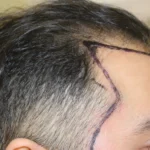
Yes, oral medication effective for hair loss treatment is considered a doctor-recommended option for managing genetic and progressive hair loss. Medications such as finasteride and oral minoxidil work internally to slow down hair fall, protect existing follicles, and, in many cases, improve hair thickness over time. While oral hair loss medication is not a permanent cure, it plays a crucial role in managing long-term hair loss, especially when combined with professional treatments such as hair transplantation.
Introduction
Hair loss has become a common concern for both men and women, especially due to genetics, hormonal imbalance, stress, and lifestyle factors. As awareness grows, more people are searching for oral medication for hair loss to understand whether it truly works and if it is safe for long-term use. One of the most frequently asked questions today is: Is oral medication effective for hair loss treatment?
The answer is yes, oral medication for hair loss is clinically proven to slow hair fall and stabilize thinning caused by androgenetic alopecia. Unlike topical solutions that act only on the scalp, oral hair loss medication works from within the body, addressing the hormonal and biological causes of hair loss. When used correctly under medical supervision, it can significantly improve hair retention and treatment outcomes.
What Is Oral Medication for Hair Loss?
Oral hair loss medication refers to prescription medicines taken by mouth that help manage hair loss at a systemic level. These medications are primarily designed to target hormones like DHT or improve blood flow to hair follicles, which are key contributors to pattern hair loss.
Doctors commonly prescribe oral medication for hair loss in cases where thinning is progressive, genetic, or not responding well to topical treatments alone. Because these medicines work internally, they are often more effective for long-term hair loss control.
How Does Oral Medication for Hair Loss Work?
Oral medication for hair loss works by protecting hair follicles from shrinking and by improving the hair growth cycle. Certain medications reduce the levels of DHT, a hormone responsible for weakening hair follicles in androgenetic alopecia. Others improve circulation and prolong the growth phase of hair, allowing thinner strands to become stronger over time.
This internal approach is the main reason why many dermatologists prefer oral hair loss medication for patients experiencing consistent or widespread thinning.
Is Oral Medication Effective for Hair Loss Treatment?
Yes, oral medication is effective for hair loss treatment, particularly for genetic hair loss in both men and women. Medical studies and clinical experience show that most patients notice reduced hair fall within a few months, followed by visible improvement in density with continued use.
However, results depend on early diagnosis, consistency, correct dosage, and individual response. Oral medication works best when hair follicles are still alive but weakening, which is why early treatment is strongly recommended.

Why Oral Medication Is Essential Before and After Hair Transplant
In modern hair restoration practice, oral medication for hair loss is considered an essential part of the hair transplant journey, not an optional add-on. Before a hair transplant, oral medication helps stabilize ongoing hair loss, ensuring that existing hair follicles are protected from further thinning. This creates a stronger and more predictable foundation for transplantation. After the procedure, oral hair loss medication plays a critical role in preserving native hair, reducing the risk of post-transplant shock loss, and supporting the long-term survival of transplanted grafts. As per current hair transplant trends, combining surgery with doctor-recommended oral medication leads to more natural, balanced, and long-lasting results compared to surgery alone.
What Is the Best Oral Medication for Hair Loss?
The best oral medication for hair loss depends on gender, hair loss pattern, and medical history. For men, finasteride remains the most commonly prescribed and doctor-approved option. For women, low-dose oral minoxidil and other hormone-balancing medications are considered safer alternatives under medical supervision.
Rather than choosing medication on your own, dermatologists evaluate scalp condition and hair loss stage to recommend the most suitable oral hair loss medication.
Oral Medication for Hair Loss in Men and Women
In men, oral medication for hair loss is especially effective for treating androgenetic alopecia, commonly known as male pattern baldness. Finasteride helps slow down hairline recession and crown thinning when taken consistently.
For women, oral hair loss medication focuses more on improving hair thickness and reducing excessive shedding. Low-dose oral minoxidil has shown promising results for female hair loss when prescribed carefully.
Related, The Complete Clinical Guide to Hair Transplant for Alopecia Areata
Can Oral Medication Stop Hair Loss Permanently?
Oral medication does not permanently cure hair loss, but it can control and stabilize hair loss for as long as the medication is continued. If treatment is stopped, hair loss may gradually resume. This is why oral hair loss medication is often considered a long-term management solution rather than a one-time fix.
Oral Medication for Hair Loss vs Finasteride vs Minoxidil
When comparing oral medication for hair loss, finasteride and oral minoxidil serve different but complementary roles in hair loss treatment. Finasteride primarily works by controlling the hormonal cause of hair loss, specifically by reducing DHT levels that lead to follicle miniaturization in androgenetic alopecia. This makes it highly effective for slowing down hair loss and preserving existing hair.
On the other hand, oral minoxidil focuses on stimulating hair growth by improving blood circulation to the scalp and extending the hair growth phase, which helps strengthen thinning hair and improve overall density. Clinical experience shows that the best results are often achieved through combination therapy, where finasteride prevents further hair loss while oral minoxidil supports active regrowth, offering a more balanced and long-term hair restoration strategy.
How Long Does Oral Hair Loss Medication Take to Work?
Most patients begin to notice reduced hair shedding within the first two to three months. Visible improvement in hair thickness usually appears between three to six months, while optimal results are seen after nine to twelve months of continuous use.
Oral vs Topical Medication for Hair Loss
When comparing oral medication for hair loss vs topical treatments, oral options generally provide more consistent results because they work internally. Topical treatments can still be useful, but many patients struggle with daily application and uneven absorption. In clinical practice, a combination of oral and topical treatments often delivers the best outcome.
Integrating Oral Medication with Hair Transplant: The Vagus Hair Transplant Approach
While oral medication for hair loss is highly effective in slowing hair fall and preserving existing hair, it cannot fully restore hair in areas where follicles are already inactive. This is where Vagus Hair Transplant plays a vital role.
At Vagus Hair Transplant, oral hair loss medication is often recommended as part of a comprehensive treatment plan, both before and after a hair transplant. Medication helps stabilize ongoing hair loss, protects non-transplanted hair, and improves the longevity of transplant results. By combining advanced surgical techniques with doctor-recommended oral medication, patients achieve more natural, long-lasting, and balanced hair restoration outcomes.
Can Hair Transplant Work Without Oral Medication? What Doctors Recommend
While a hair transplant can technically be performed without oral medication, most hair restoration specialists strongly advise against relying on surgery alone. A hair transplant replaces lost hair in specific areas, but it does not stop the progression of genetic hair loss in non-transplanted regions. Without oral medication for hair loss, patients may continue to lose surrounding native hair, leading to uneven density and compromised long-term results. Doctors recommend oral hair loss medication to protect existing follicles, maintain overall scalp balance, and extend the lifespan of transplant outcomes. This combined approach aligns with global best practices and ensures that patients achieve sustainable and aesthetically consistent hair restoration.
Safety and Side Effects of Oral Hair Loss Medication
Oral hair loss medication is generally safe when prescribed by qualified doctors. Some patients may experience mild and temporary side effects, which usually resolve with dosage adjustment or medical guidance. Regular follow-ups ensure long-term safety and effectiveness.
Final Thoughts
Oral medication for hair loss remains one of the most reliable and doctor-recommended solutions for managing hair loss in 2026. When used consistently and combined with professional treatments like those offered at Vagus Hair Transplant, it delivers better control, improved density, and long-term hair health.
A personalized approach, guided by experienced professionals, always leads to the best results.
Frequently Asked Questions
Is oral medication effective for hair loss treatment?
Yes, especially for genetic and progressive hair loss when started early.
Can oral medication regrow hair?
It can improve thinning areas but cannot fully restore bald patches.
Is oral hair loss medication safe for long-term use?
Yes, when taken under medical supervision.
Who should take oral medication for hair loss?
Men and women experiencing androgenetic alopecia or ongoing thinning.