Are Exosomes FDA Approved? Exosomes are not currently FDA approved for any medical or cosmetic use.
Despite their potential in fields like skincare and regenerative medicine, exosome-based therapies are still undergoing clinical trials and face regulatory challenges.
It’s important for patients to be cautious and consult with healthcare providers before considering these treatments.
Introduction
If you’re considering exosome-based treatments, you might be wondering, “Are exosomes FDA approved?” This question is increasingly important as more healthcare professionals and patients explore exosome therapies in fields ranging from skincare to regenerative medicine.
However, while exosomes hold great potential, they are not yet FDA approved. In this article, we will discuss the regulatory status of exosome treatments, why they haven’t received approval, and what this means for patients.
What Are Exosomes?
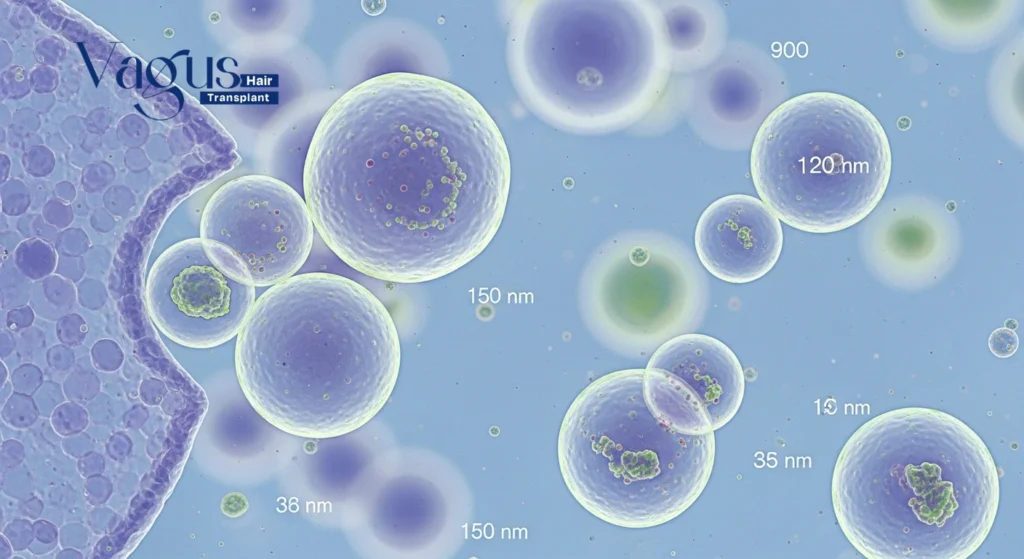
Exosomes are tiny, naturally occurring extracellular vesicles that are secreted by all types of cells. They play a key role in cell communication by transferring proteins, lipids, and genetic material between cells. Exosomes are involved in various biological processes, such as immune response, tissue repair, and inflammation regulation.
How Exosomes Differ from Stem Cells & Other Regenerative Therapies
While stem cells are known for their ability to regenerate damaged tissues, exosomes serve as messengers, carrying crucial signals to target cells, without the same ethical and regulatory concerns that come with stem cell use. This makes them an attractive alternative in regenerative medicine.
Common Uses Being Claimed
Exosomes are being explored in several fields, including:
- Skincare and aesthetics: promoting collagen production and skin rejuvenation.
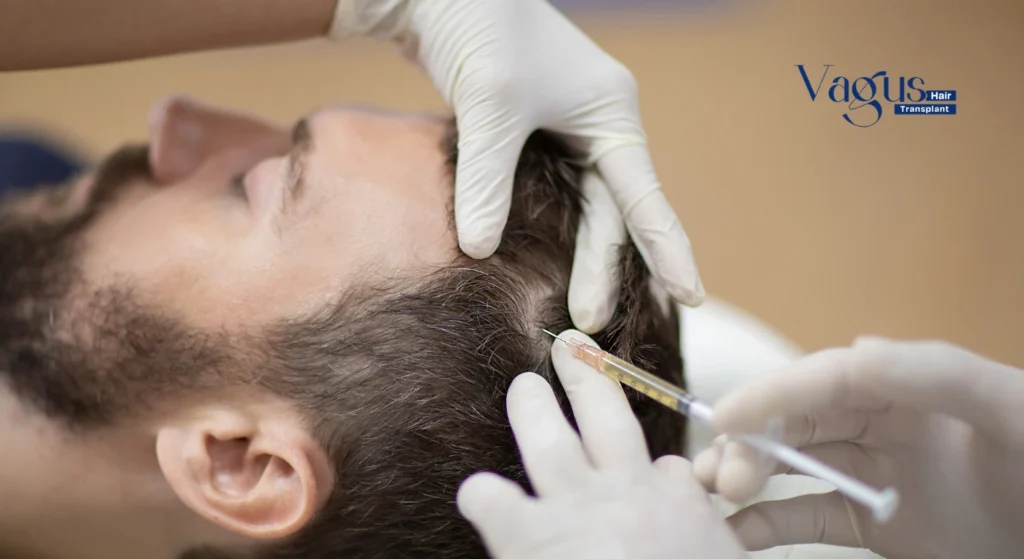
- Hair restoration: exosome injections are being tested for stimulating hair follicles.
- Joint and bone repair: aiding in faster recovery from injuries or surgeries.
However, despite these promising uses, exosomes are not FDA-approved for these treatments yet.
The Current FDA Status of Exosome Products
What the U.S. Food & Drug Administration (FDA) Says – No Exosome Products Approved
Currently, the FDA has not approved any exosome-based therapies for public use. This includes their use in cosmetic products or medical treatments. The FDA regulates exosomes as biologics, meaning that they are subject to rigorous clinical trials before approval. As of now, no exosome products have met the required safety and efficacy standards.
Why Exosomes Require Pre-Market Review
Exosomes are classified under the FDA’s biologics framework, meaning they must go through the Investigational New Drug (IND) application process before they can be marketed. This process involves detailed studies to assess the product’s safety, dosage, side effects, and overall therapeutic effect.
Known Warning Letters / Consumer Alerts
The FDA has issued multiple warning letters to companies selling exosome-based products, cautioning against unapproved use and marketing. For example, in 2019, the FDA warned a Nebraska clinic for offering exosome injections without proper approval, highlighting the risk of adverse events such as infection, inflammation, and tumor formation.
Why Aren’t Exosome Therapies FDA Approved Yet?
Exosomes hold great promise, but several significant barriers remain to FDA approval.
Manufacturing & Standardization Challenges
One major hurdle is the manufacturing process. Exosomes are extracted from human cells, which can vary greatly between batches. This lack of consistency makes it difficult to meet FDA’s stringent standards for biologics. Additionally, quality control in exosome production has yet to be standardized, complicating the approval process.
Clinical Evidence Gaps – Safety, Efficacy, Long-Term Data
Although early clinical trials show promise, there is a lack of long-term safety and efficacy data. Without sufficient proof that exosomes provide consistent results over time and pose no long-term risks, the FDA is unlikely to approve them for widespread clinical use.
Regulatory/Quality Control Hurdles
Exosomes, as biologic products, must undergo thorough testing, including chemistry, manufacturing, and controls (CMC) assessments. The current exosome therapies do not yet meet all the necessary criteria for approval in areas such as potency, stability, and safety.
Where Are Exosome Therapies in the Development Pipeline?
While no exosome therapies are currently FDA-approved, several products are in the clinical trial pipeline.
Examples of Companies/Therapies in Trials
Companies such as Capricor Therapeutics are leading efforts to develop exosome-based treatments for heart disease, with promising early results. Other biotech firms are exploring exosomes for a variety of conditions, from neurodegenerative diseases to joint and cartilage repair.
Types of Intended Therapeutic Uses
Exosomes are being developed for treatments in:
- Cardiology: To repair damaged heart tissue after a heart attack.
- Neurology: For diseases like Alzheimer’s or Parkinson’s.
- Aesthetics: For skin rejuvenation and hair restoration.
Timeline Estimate: What to Expect for Approval
Although research is ongoing, exosome-based treatments are still in the early stages of clinical trials. It may take several more years before any exosome therapies are ready for FDA approval. If trials continue to yield positive results, FDA approval could be a reality in the next 5-10 years.
Exosomes in Skincare vs Therapeutic Use: What’s the Difference?
Topical/Skincare Products – Regulation, Claims, Limitations
Exosomes are being marketed in topical skincare products, such as serums and creams. However, these products are not FDA-approved, and the efficacy of exosomes in skincare remains unproven. These treatments may claim to rejuvenate the skin or stimulate collagen production, but without clinical validation, they should be approached with caution.
Injectable/Regenerative Medicine Uses – Regulatory and Risk Differences
Injectable exosome treatments, like those for hair restoration or joint repair, pose additional risks because they involve direct injection into the body. Without FDA approval, these treatments remain experimental, and there is no guarantee of safety or effectiveness.
Key Questions to Ask Your Provider
- Is the exosome treatment FDA-approved?
- Has the treatment undergone clinical trials?
- Are there any known risks or side effects?
Safety, Risks & Consumer Protection
Reported Adverse Events and Regulatory Alerts
Exosome-based treatments have been linked to several adverse events, including infections and inflammatory responses. The FDA has issued warnings about the potential dangers of using unapproved exosome products, especially those that are sold outside regulated clinical settings.
What Consumers Should Check Before Treatment
Before undergoing any exosome therapy, patients should ensure:
- The provider is licensed and the clinic follows medical regulations.
- The product has undergone clinical trials.
- The treatment is backed by credible scientific evidence.
Red Flags – Misleading Marketing, “Miracle Cure” Claims
Be cautious of any exosome treatment that promises quick fixes or “miracle cures” without scientific backing. These treatments are still in the research phase and carry significant risks.
What Should You Do if You’re Considering an Exosome Treatment?
Questions for Your Healthcare Provider
- “Is this exosome treatment FDA-approved?”
- “Can you provide clinical trial data or safety records?”
- “What other FDA-approved treatments do you recommend?”
Alternatives and Evidence-Based Options
Consider FDA-approved stem cell therapies or PRP (platelet-rich plasma) treatments as safer, alternative options for many of the same concerns exosomes are being marketed for.
How to Stay Safe – Verifiable Clinical Trial Enrollment, Informed Consent
Always ask for informed consent and verify that the treatment is part of a registered clinical trial. Be sure that all potential risks are clearly explained.
Next Step
If you’re considering an exosome-based treatment, book a consultation with a hair restoration surgeon to ensure you’re getting the safest, most effective care. Speak to our expert in regenerative medicine to explore your options today.
In conclusion, exosome therapies hold great promise, but they are not FDA-approved yet. If you’re considering these treatments, it’s essential to be aware of the regulatory landscape, potential risks, and the fact that many exosome products are still undergoing trials. Always consult with a licensed healthcare provider and be cautious of unapproved treatments.
FAQs
Are Exosome Products FDA Approved for Any Use?
No, at this time, exosome products are not FDA-approved for any medical or cosmetic use.
Can Exosome Treatments Be Considered Cosmetic and Avoid FDA Approval?
No. Even if marketed as a cosmetic treatment, exosome injections still require FDA approval due to their biologic nature.
Is a Skincare Serum Claiming “Exosome Technology” Safe and Effective?
No. These products are not FDA-approved, and their effectiveness remains unproven.
How Long Will It Take Before FDA-Approved Exosome Therapies Appear?
It could take 5-10 years for exosome therapies to undergo successful clinical trials and receive FDA approval.
What Is the Cost Range and How Is It Regulated?
The cost can vary widely, but FDA-regulated products will come with much higher safety assurances. Unapproved products may be more affordable but pose significant risks.