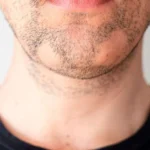
Can Stress Cause Alopecia? Stress can indeed cause alopecia, leading to temporary hair loss, particularly in conditions like Telogen Effluvium and Alopecia Areata.
When the body experiences high stress, it disrupts the hair growth cycle, pushing more hairs into the shedding phase. However, once the stress is managed, hair typically regrows within 3-6 months, making the condition generally reversible.
Introduction
Stress is a common cause of concern for many, but did you know it could contribute to hair loss? The question, can stress cause alopecia, is one that many people ask as they experience unexpected shedding.
In this article, we’ll explore how stress impacts hair growth, the science behind it, and how to manage and reverse the effects. By the end, you’ll gain practical tips on preventing stress-related hair loss and fostering healthy hair growth.
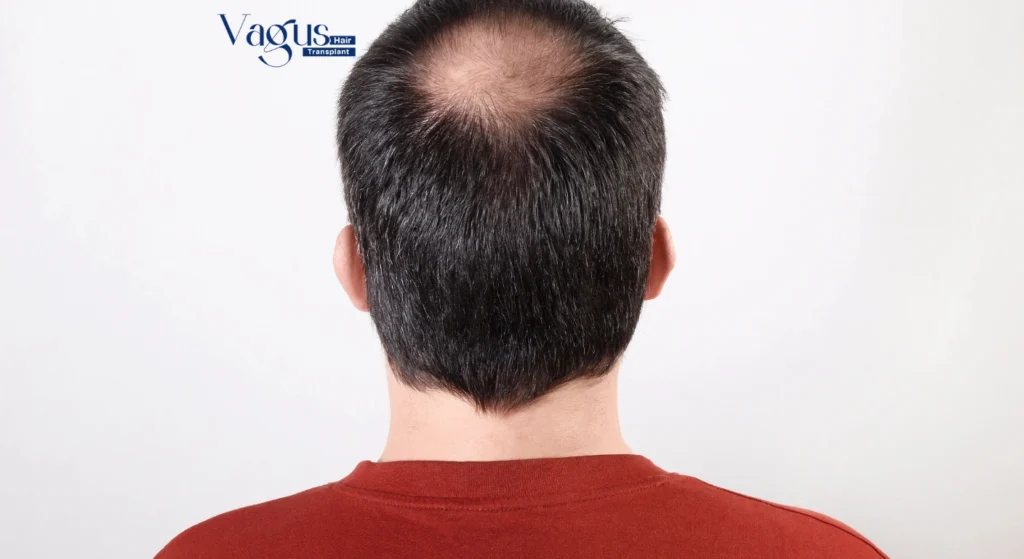
What Does Stress-Induced Hair Loss Mean?
Stress‑induced hair loss is a condition where emotional or physical stress triggers significant shedding of hair. It affects the normal hair growth cycle, leading to temporary or, in some cases, longer-term thinning. To fully understand how this works, let’s first break down the hair growth cycle.
Understanding the Hair Growth Cycle
Our hair grows in three main stages:
- Anagen: The active growth phase, lasting several years.
- Catagen: A short transitional phase where the hair follicle shrinks.
- Telogen: The resting phase, after which hair sheds, making room for new growth.
When stress is introduced into the body, it disrupts this cycle, pushing more hairs into the telogen phase prematurely, which leads to shedding.
How Stress Disrupts the Normal Cycle
The stress hormone cortisol plays a key role in this disruption. When cortisol levels rise, it can negatively affect the hair follicles, shortening the growth phase and increasing hair shedding. In some cases, stress can also trigger an autoimmune response, which is a hallmark of certain types of hair loss, like Alopecia Areata.
Types of Hair Loss Linked to Stress
Stress can contribute to different types of hair loss, each with its unique mechanism. Let’s explore the most common types of stress-induced hair loss.
Telogen Effluvium : The Most Common Stress-Related Hair Loss
Telogen Effluvium (TE) is the most frequently observed form of stress-related hair loss. This condition occurs when a stressful event causes a large number of hair follicles to enter the telogen (resting) phase, leading to widespread shedding. The shedding typically occurs 2-3 months after the stressful event, and hair usually starts growing back once the stressor is resolved.
Pro Tip: Telogen Effluvium is generally temporary. Once stress is managed, hair often grows back, but it may take several months for full regrowth.
Alopecia Areata :When Stress Triggers Autoimmune Hair Loss
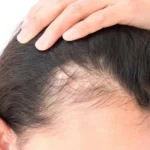
In some cases, stress can lead to Alopecia Areata (AA), an autoimmune condition where the body’s immune system attacks hair follicles, causing round patches of hair loss. While AA can be triggered by stress, it’s often part of a broader genetic and environmental interaction.
Trichotillomania & Other Stress-Related Behaviors (Hair-Pulling)
Stress can also manifest in behaviors like trichotillomania, a condition in which individuals feel compelled to pull out their own hair. While this is a behavioral response to stress rather than a physiological one, it can still lead to noticeable hair loss.
The Biological Mechanisms : What Research Shows
Understanding the biological mechanisms behind stress-related hair loss helps us better manage and prevent it.
Stress Hormones (Cortisol / Corticosterone) and Hair Follicle Health
Stress increases cortisol levels in the body. Cortisol, when produced in excess, can restrict the blood flow to hair follicles, depriving them of nutrients needed for growth. This reduced circulation can trigger hair to fall out earlier than normal.
Impact on Hair Follicle Stem Cells & Regrowth Capacity
Recent studies suggest that stress hormones also affect the stem cells in hair follicles, inhibiting their ability to regenerate new hair. This disruption could potentially make hair loss more significant in individuals who are already predisposed to alopecia.
Immune System, Inflammation & Autoimmune Responses (for Alopecia Areata)
For conditions like Alopecia Areata, stress can trigger an immune response where white blood cells attack the hair follicles, leading to patchy hair loss. The mechanism behind this is still under investigation, but stress is thought to influence the immune system’s behavior.
Chronic vs Acute Stress :Why Duration Matters
Acute stress, such as dealing with a sudden loss, can lead to temporary hair loss. However, chronic stress, if left unchecked, can cause prolonged shedding or worsen existing hair loss conditions, such as AA.
Recognizing Stress-Related Hair Loss: Symptoms & Timeline
Stress-induced hair loss can vary in severity, but understanding the signs and timeline can help you address it early.
What It Looks Like :Diffuse Thinning vs Patchy Bald Spots
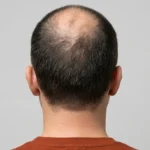
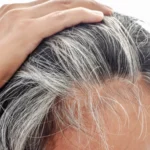
With Telogen Effluvium, hair loss is usually diffuse, meaning it spreads across the scalp evenly. On the other hand, Alopecia Areata causes distinct, patchy hair loss, often in round shapes.
When Does Hair Start Falling Out?
Hair shedding typically begins 2-3 months after a major stressful event. It’s important to note that this delay can make it difficult to connect the stressor to the hair loss immediately.
Differentiating from Genetic / Androgenic Hair Loss or Other Causes
Unlike genetic hair loss, which tends to be gradual and follows a predictable pattern (thinning at the temples or crown), stress-induced hair loss often occurs suddenly and can be widespread. If hair loss seems sudden or severe, stress could be a contributing factor.
Recovery & Prognosis :Can Hair Grow Back?
The good news is that in most cases, hair loss due to stress is temporary.
Typical Recovery in Telogen Effluvium (3–6 months)
If the stressor is removed or managed, hair typically begins to regrow after 3–6 months. The recovery timeline varies depending on the individual’s overall health and the severity of the hair loss.
What to Expect if It’s Alopecia Areata :Remission, Recurrence, Long-term Outlook
Alopecia Areata may take longer to recover from and can be recurrent. Treatments, such as topical corticosteroids or immunotherapy, may help speed up recovery, but remission is not always guaranteed.
Factors that Influence Regrowth (Age, Overall Health, Nutrition, Stress Management)
Hair regrowth depends on several factors, including age, nutritional status, and how effectively stress is managed. Younger individuals with good overall health often experience faster regrowth.
How to Support Hair Health :Practical Tips & Preventive Measures
There are several ways to mitigate the risk of stress-related hair loss. Here are some strategies to help you support hair health and reduce stress.
Stress-Management Strategies (Sleep, Mindfulness, Relaxation, Counseling)
Effective stress management is the cornerstone of preventing and reversing hair loss. Incorporating relaxation techniques such as yoga, meditation, and deep-breathing exercises can help reduce stress hormones and improve overall well-being.
Nutrition, Diet & Supplements : Importance of Protein, Vitamins, Minerals
A balanced diet rich in proteins, vitamins (especially B-vitamins), and minerals (like zinc and iron) is essential for healthy hair. Supplements like biotin and vitamin D can also support hair health.
Scalp Care & Hair Hygiene (Gentle Handling, Avoiding Harsh Treatments)
Minimize damage by handling hair gently. Avoid harsh chemicals, heat styling, or tight hairstyles that can cause physical stress on the hair follicles.
When to Consider Medical Treatment : Dermatologist, Trichologist, Autoimmune Work-up
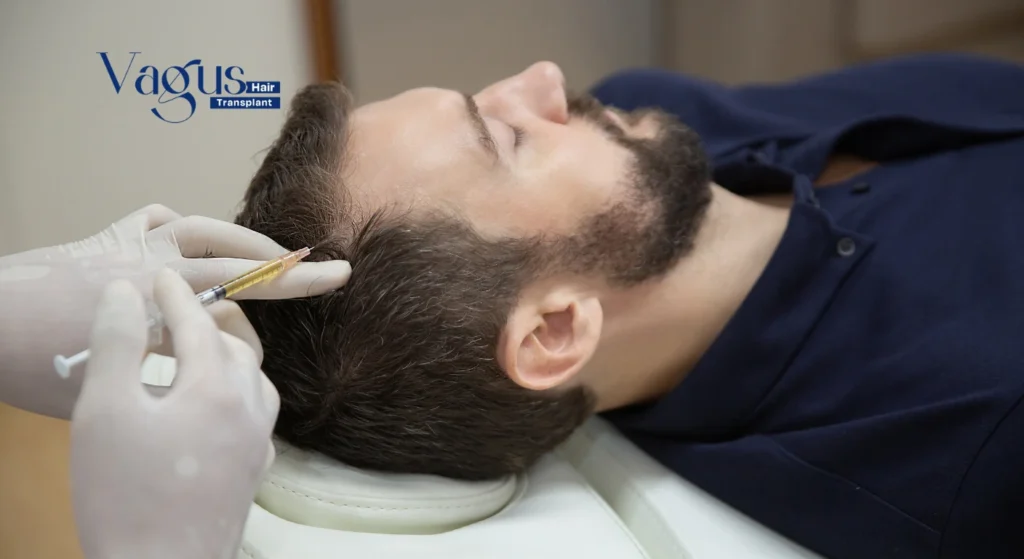
If hair loss persists, consider consulting with a dermatologist or trichologist to rule out other underlying causes or to explore treatments such as PRP therapy or hair transplants.
When to See a Doctor : Warning Signs & Medical Red Flags
While stress-induced hair loss is often temporary, there are instances when you should seek professional help.
Sudden Patchy Balding, Large Clumps of Hair Shedding, No Improvement After Stress Reduction
If you experience rapid, patchy bald spots or persistent shedding after stress reduction efforts, it’s time to consult a doctor.
Underlying Conditions: Thyroid, Autoimmune Disease, Hormonal Imbalance
Hair loss may sometimes be linked to underlying medical conditions such as hypothyroidism, autoimmune diseases, or hormonal imbalances. A healthcare provider can conduct tests to determine the cause.
Psychological Impact :When Hair Loss Affects Mental Health
Hair loss can be emotionally distressing, and it’s essential to seek help if you notice a negative impact on your mental health. Counseling or therapy can be beneficial to address the emotional side of hair loss.
Frequently Asked Questions (FAQ)
Can hair loss from stress be permanent?
No, in most cases, stress-induced hair loss is temporary. Once stress is addressed, hair typically regrows, although it may take several months for full recovery.
How long after stress will hair start falling out?
Hair shedding generally begins 2–3 months after a stressful event. It can take some time for the connection between stress and hair loss to become apparent.
Will my hair grow back? If yes how long does it take?
Yes, in many cases, hair will regrow after stress is managed. The typical timeline for recovery is 3–6 months, but regrowth can vary depending on the individual’s health and stress levels.
How to know if my hair loss is due to stress or genetic pattern baldness?
Stress-induced hair loss usually presents as widespread thinning across the scalp, whereas genetic hair loss typically follows a predictable pattern (thinning at the crown or temples). If the hair loss is sudden and widespread, it may be due to stress.
Does reducing stress guarantee hair regrowth?
While reducing stress can significantly improve hair health, it doesn’t always guarantee regrowth, especially in cases like Alopecia Areata, where the immune system is involved