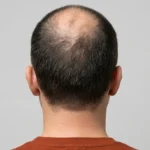
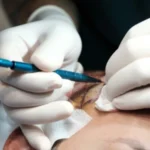
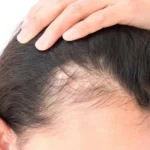
Platelet Rich Plasma (PRP) injections may cause mild discomfort during the procedure, but they are generally well-tolerated. A numbing cream or local anesthesia is often applied to minimize pain. While some patients experience slight pain or a feeling of pressure during the injection, the discomfort is typically brief and mild. After the procedure, any soreness usually resolves within a few hours to a day. In this blog, we’ll discuss do Platelet Rich Plasma injections hurt, what to expect during and after the procedure, and how to manage any discomfort. We will also explore the long-term benefits of PRP therapy and why the temporary pain might be worth it.
Introduction
Platelet Rich Plasma (PRP) injections have gained significant attention in recent years due to their ability to accelerate healing and promote hair growth. The procedure involves drawing a small amount of your blood, processing it to concentrate the platelets, and then injecting the plasma back into the targeted area. While the treatment has proven to be highly effective, one common question that patients ask is, “Do platelet rich plasma injections hurt?” This post will break down the pain level associated with PRP injections, the factors that affect it, and ways to minimize discomfort during and after the procedure.
1. Do Platelet Rich Plasma Injections Hurt?
Exploring the Pain Level of PRP Injections
When considering PRP treatment, many individuals worry about the pain associated with the injections. The discomfort largely depends on individual pain tolerance, the area being treated, and the specific technique used by the practitioner.
What to Expect During a PRP Injection Procedure
During the procedure, you may experience a mild to moderate discomfort as the needle is inserted. However, the pain is usually brief and should subside quickly. The area treated (such as the scalp, knees, or joints) may feel sore or tender for a short period after the injection, but this discomfort is generally manageable.
Factors that Affect Pain During PRP Treatment
Several factors can influence how much pain you experience during PRP injections:
- Area of Treatment: Areas with more muscle or fatty tissue may experience less discomfort compared to areas with less tissue, such as the scalp.
- Needle Size: The size of the needle used can impact the level of pain. Finer needles generally cause less pain.
- Skill of the Practitioner: Experienced practitioners are skilled at minimizing pain and discomfort during the injection process.
2. Is PRP Treatment Painful? Breaking Down the Sensation
Comparing PRP Injection Pain to Other Medical Procedures
In terms of pain, PRP injections are typically less painful than other injectable treatments like cortisone shots or certain dermal fillers. The sensation can be likened to a quick pinch or a bee sting. While the pain might feel intense for a few seconds, it is typically short-lived.
How Long Does the Pain Last After PRP Injections?
The pain or discomfort you experience after the procedure may last anywhere from a few hours to a couple of days, depending on the area treated and your pain tolerance. Most patients report that any soreness diminishes within 24-48 hours.
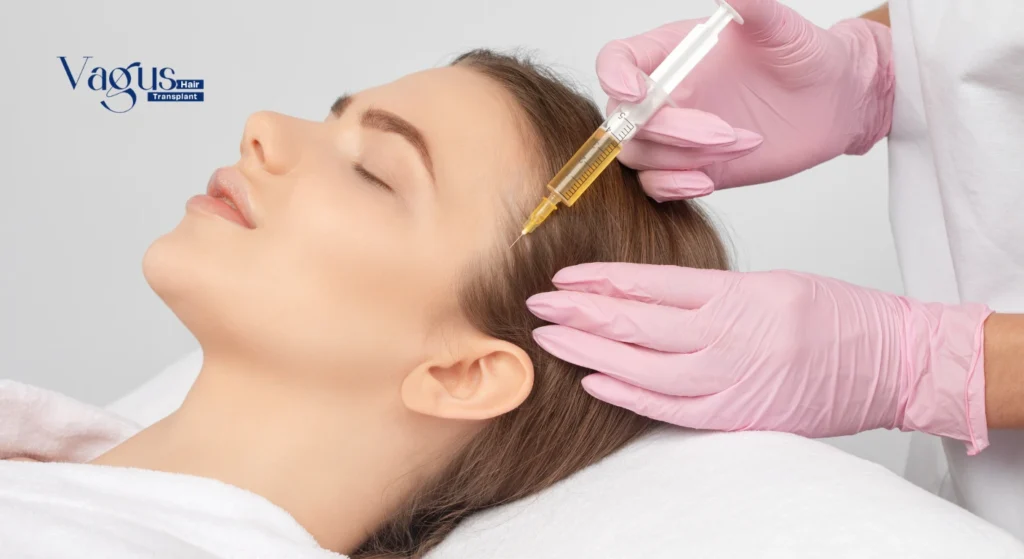
3. Managing Pain During Platelet Rich Plasma Injections
Numbing Techniques Used in PRP Therapy
To make the treatment more comfortable, many clinics use topical numbing creams or local anesthetics to reduce the pain during PRP injections. This helps ensure that patients feel little to no discomfort during the procedure.
Can You Take Pain Relievers Before or After PRP Injections?
It’s generally advisable to avoid taking pain relievers like ibuprofen or aspirin before the procedure as they can thin the blood and increase the risk of bruising. After the treatment, however, you may take over-the-counter pain relievers like Tylenol to help manage any discomfort.
4. Post-Treatment Pain: What to Expect
Common Side Effects After Platelet Rich Plasma Injections
Aside from pain, some common side effects after PRP therapy include:
- Swelling
- Bruising
- Redness at the injection site
- Tenderness or soreness
These side effects are usually temporary and should resolve within a few days.
How to Soothe Discomfort After PRP Therapy
To ease the discomfort after PRP injections, apply an ice pack to the treated area for 10-15 minutes at a time. This can help reduce swelling and numb the area. You may also want to avoid strenuous physical activity for the first 24-48 hours.
5. Why PRP Injections Are Worth the Discomfort
Benefits of PRP Injections for Joint Pain, Hair Loss, and More
While the pain may be a concern, the benefits of PRP injections can outweigh the discomfort. PRP therapy is known for its ability to regenerate tissue, promote hair growth, and reduce joint pain. Whether you are receiving PRP for hair restoration or to treat chronic knee pain, the results can be transformative.
Long-Term Pain Relief vs. Temporary Pain During Treatment
The temporary discomfort of PRP injections is minor compared to the long-term relief you may experience. Many patients find significant improvements in pain and mobility, particularly for joint and arthritis patients. Additionally, PRP is a natural, minimally invasive alternative to surgery.
6. Final thoughts
In conclusion, while platelet rich plasma injections may cause some temporary discomfort, most patients find the pain manageable and worth the long-term benefits. Whether you are using PRP for hair restoration, skin rejuvenation, or joint pain, the results often justify the short-term pain. Remember to consult with your doctor about pain management options to ensure a comfortable experience.
Consult with vagus hair transplant to discuss your options, learn more about how PRP injections can help you, and take the first step towards a pain-free, healthier future.
Frequently Asked Questions (FAQs)
Q1: How much pain should I expect during PRP injections?
While the pain is usually mild, it varies from person to person. Some describe it as a mild pinch, while others may feel a bit more discomfort, depending on the area treated.
Q2: How long does the pain last after PRP injections?
Post-treatment pain generally lasts from a few hours to two days, depending on the area treated and individual pain tolerance.
Q3: Can I get PRP injections if I’m afraid of pain?
Yes! Numbing creams or local anesthesia can be used to reduce discomfort during the procedure.
Q4: Are there any serious side effects to PRP injections?
PRP injections are generally safe, but side effects such as swelling, redness, or bruising can occur. These side effects are typically short-lived.