Summary
Concerned about the surgery, many people ask: does a hair transplant hurt? The procedure itself is typically painless, thanks to local anesthesia, with only a brief stinging during the numbing injections.
While you’ll experience manageable discomfort and swelling for the first 3-5 days of recovery, this is easily controlled with prescribed medication.
By following strict aftercare, like avoiding heavy sweating, you can ensure a smooth, comfortable path to successful hair restoration
Introduction
Are you considering a hair transplant but find yourself worried, asking: does a hair transplant hurt? This is the number one concern for anyone thinking about hair restoration, and it’s a valid one.
We’re here to clearly explain the realities of pain, discomfort, and recovery associated with modern hair transplant techniques.
By the end of this expert guide, you’ll understand why the procedure is typically pain-free, how to manage post-op discomfort, and have a clear, safe recovery timeline, giving you the confidence to take the next step.
Understanding the Hair Transplant Procedure: What to Expect
The most common fear about a hair transplant surgery is pain. The good news is that advancements in modern techniques have made the procedure remarkably comfortable.
The Role of Local Anesthesia: Minimizing the Pain
The primary reason patients experience little to no pain during the transplant is the strategic use of local anesthesia.
How Numbing Agents Work
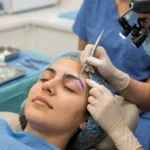
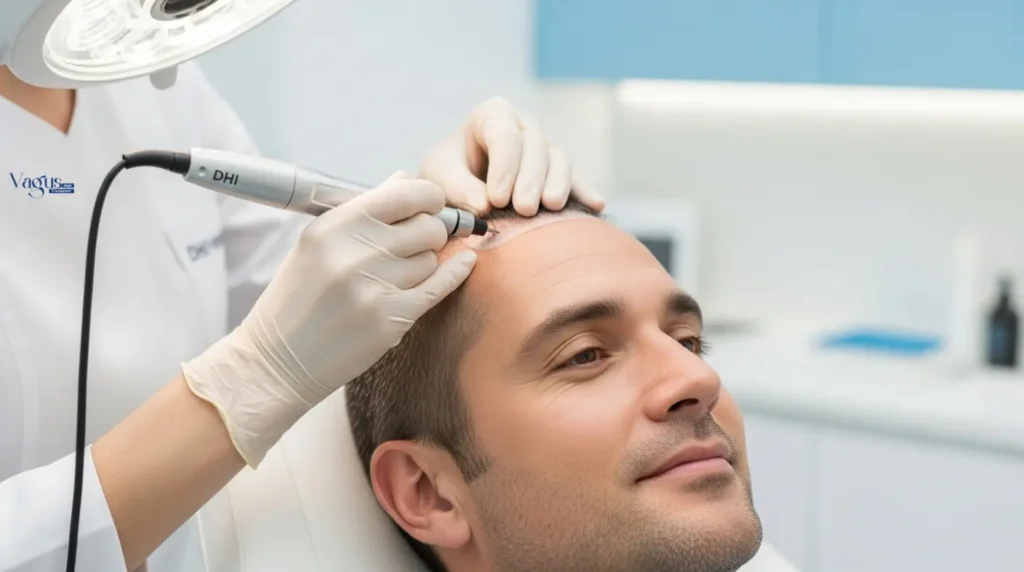
Before the surgeon begins harvesting (from the donor area) and implanting (into the recipient area), a local anesthetic is carefully injected into the scalp. This completely numbs the area, effectively blocking pain signals from reaching your brain.
The Sensation of Anesthesia Application (A Brief Sting)
The only part of the procedure where you might feel discomfort is during the initial administration of the local anesthetic. It feels like a quick series of tiny stings or pinches similar to a dental injection lasting only a few seconds. Once the scalp is numb, you should not feel any pain, only pressure or movement.
Distinguishing Between Pain and Discomfort
While the procedure itself is pain-free, the post-operative phase involves discomfort, which is manageable and temporary.
What is the Sensation During the Procedure?
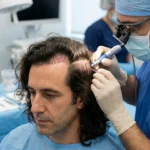
Patients often describe the sensation during the bulk of the procedure as pressure, pulling, or vibration (especially during Follicular Unit Extraction/FUE). You may listen to music, watch a movie, or even nap while the surgeon works.
Common Feelings After the Surgery (Tightness, Swelling)
Once the local anesthetic wears off (usually within a few hours), the discomfort begins. Common feelings include:
- Dull ache or tenderness in the donor area.
- Tightness or numbness across the scalp.
- Swelling in the forehead, which might migrate down to the eyes.
These are normal signs of the body healing and are generally well-controlled with prescribed pain medication.
Does a Hair Transplant Hurt More with FUE or FUT? (FUE vs. FUT Pain)
The method chosen does influence the level and type of post-operative discomfort:
| Procedure | Discomfort Profile | Donor Area Healing |
| FUE (Follicular Unit Extraction) | Less post-operative pain. Discomfort is widely distributed across tiny, individual extraction sites. | Faster. Small, dot-like scabs heal within 7–10 days. |
| FUT (Follicular Unit Transplantation) | Slightly higher post-operative pain due to the linear incision that is closed with sutures. May involve more tightness or a deeper ache. | Requires stitches/staples removal. Linear scar takes longer to fully settle. |
The consensus among specialists is that FUE generally results in less discomfort than the traditional FUT strip method.
The Hair Transplant Recovery Timeline: Managing Post-Procedure Discomfort
Managing discomfort effectively is key to a smooth recovery and achieving great results.
Immediate Post-Op (Days 1–3): The Peak of Discomfort
This is typically the period of greatest post-operative discomfort and swelling.
Pain Management Strategies: Medications and Ice Packs
Your surgeon will prescribe an analgesic (painkiller) and possibly a mild sedative. Take the medication as directed don’t wait for the pain to become severe. Applying ice packs (wrapped in a clean cloth) to the forehead (but never directly on the grafts) helps reduce swelling.
Sleeping Positions to Minimize Swelling
To control swelling and protect the new grafts, you must sleep with your head elevated at a 45-degree angle for the first 5–7 nights. This is often done using a reclining chair or several pillows.
The First Week (Days 4–7): Scabs and Itching
As the initial swelling subsides, scabbing begins to form around the grafts, leading to a new form of discomfort: itching.
Controlling Itching and Avoiding Scratching
Itching is a sign of healing, but scratching can dislodge the grafts and ruin the results. Your clinic will provide a specialized wash or spray to gently relieve the itch. Avoid any direct rubbing.
When to Contact Your Clinic
While mild discomfort is normal, you should contact your clinic immediately if you experience:
- Intense, throbbing pain not relieved by medication.
- Sudden, severe swelling or persistent bleeding.
- Signs of infection (fever, warmth, or pus).
Weeks 2–4: The “Shedding” Phase and Returning to Normal
By the end of the second week, most initial scabs should be gone, and discomfort should be minimal or non-existent.
Safe Practices for Hair Washing
Your surgeon will guide you on when and how to start gently washing your hair. This is crucial for removing scabs and preventing infection, but must be done with extreme care using soft pressure.
Monitoring for Complications
Between weeks 2 and 4, the transplanted hairs typically enter the “shedding” phase a completely normal part of the process. While not painful, it can be mentally challenging.
Essential Post-Operative Care: Precautions for a Smooth Recovery
Success isn’t just about the surgery; it’s about adhering to the aftercare protocol.
Why is Sweating Bad After a Hair Transplant? (Competitor/Search Intent Heading)
Avoiding activities that induce heavy sweating is one of the most critical rules in the initial recovery period.
The Risk of Infection and Follicle Damage
Sweat is saline, and its moisture creates a warm, damp environment that is a perfect breeding ground for bacteria. If sweat pools around the tiny incision sites, it significantly increases the risk of infection, which can destroy the new follicles. Additionally, the salt in the sweat can irritate the tender scalp.
The Role of Heat and Moisture
Heat and humidity also cause the scalp’s blood vessels to dilate, which can increase swelling and put pressure on the newly placed grafts.
How Long Should I Avoid Sweating and Strenuous Activity?
| Activity Level | When to Resume (Approximate) | Precautions |
| Light Walking/Office Work | 2–3 Days | Avoid sun/heat; wear loose hat/cap. |
| Moderate Exercise (e.g., fast walking, light cycling) | 7–10 Days | Stop immediately if you feel pressure or start sweating heavily. |
| Strenuous Exercise (e.g., heavy lifting, intense cardio, contact sports) | 3–4 Weeks | Must be cleared by your surgeon; risk of impact or excessive sweating is too high before this time. |
| Swimming (Pools, Sea) | 4–6 Weeks | Chlorine/salt can damage grafts and increase infection risk. |
Safe and Effective Expert Recovery Tips
- Protect from the Sun: Wear a loose-fitting hat (like a bucket hat) when outdoors for the first month.
- Hydrate Well: Drinking plenty of water helps manage swelling and promotes faster healing.
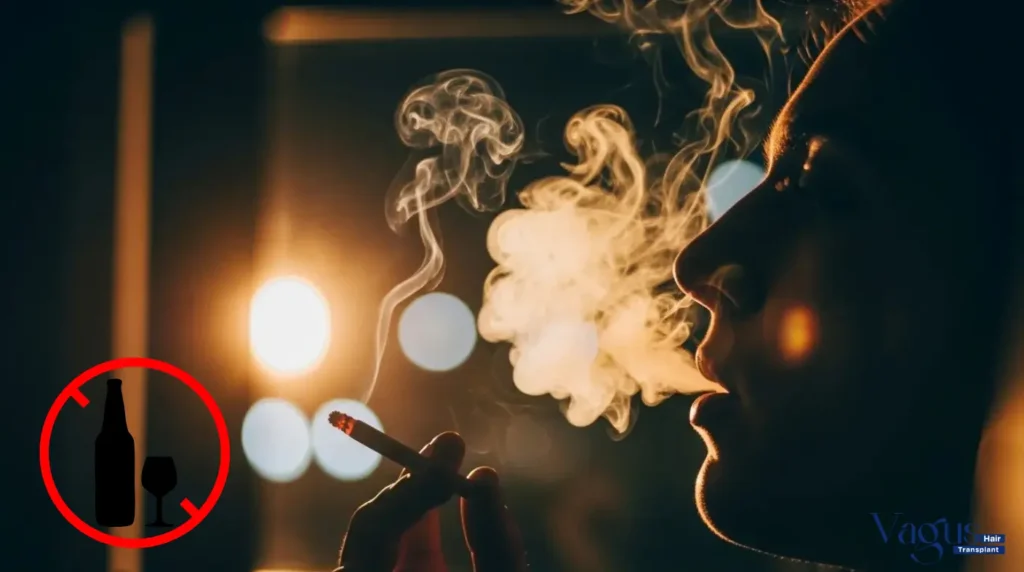
- Avoid Alcohol and Smoking: Both impede blood flow and the healing process. Quit or minimize use for at least 2 weeks post-op.
Personal Accounts of Discomfort Levels
Most patients report that the worst part of the hair transplant process isn’t the pain, but the inconvenience of the strict aftercare protocol (like sleeping elevated or avoiding exercise). The discomfort is consistently rated as a 2/10 or 3/10 on the pain scale manageable with simple over-the-counter or prescribed medication.
Common Myths vs. Medical Facts
| Myth | Medical Fact |
| A hair transplant is a painful surgery. | The procedure is painless due to local anesthesia; only brief needle stings are felt. |
| The pain lasts for weeks. | Most acute discomfort subsides within 3–5 days. |
| You can’t wash your hair for a month. | You can usually begin a specialized gentle washing routine within 48–72 hours. |
FAQs About Hair Transplant Pain and Recovery
Does the donor area hurt more than the recipient area?
Yes, generally. The donor area (the back and sides of the head) where the grafts were harvested experiences the most tenderness, regardless of whether you had FUE or FUT. The recipient area usually feels more numb and less painful.
Can I take over-the-counter pain relievers?
Only with your surgeon’s approval. Avoid blood thinners like aspirin and ibuprofen for several days before and after the surgery, as they can increase bleeding risk. Stick to the medication your clinic prescribes, usually acetaminophen (Tylenol).
How long does the numbness last after a hair transplant?
Numbness in the recipient and donor areas is very common and can last anywhere from a few weeks to a few months. It occurs because the local anesthesia and the procedure itself temporarily affect the nerves. It nearly always resolves on its own.
Is it normal to have swelling in my forehead or eyes?
Yes. Swelling is very common, especially on days 3–5 post-op, as gravity pulls the fluid down from the scalp. It is rarely painful and can be minimized by sleeping upright and using ice packs as directed.
Conclusion: A Painless Path to a Fuller Head of Hair
Stop worrying about, does a hair transplant hurt, and start focusing on your results. Take the pressure off your shoulders by speaking directly with a specialist.
Book a consultation with Vagus hair transplant clinic today to get a personalized assessment, address all your concerns, and receive a comprehensive post-operative plan tailored just for you.
Modern hair restoration is defined by high success rates and patient comfort. While the idea of a transplant may seem daunting, the reality is that the procedure is painless, and the subsequent hair transplant discomfort is minor and entirely manageable.
By choosing an expert surgeon and diligently following the recovery guidelines, your path to a fuller head of hair will be smooth, comfortable, and ultimately rewarding.