Summary
A hair transplant can look natural when modern techniques like FUE and DHI are used, along with a personalized hairline design and precise follicle placement. The key factors for a natural result include proper density, angle, and distribution of hair follicles. Post-surgery care and patience are essential, as the full natural look emerges within 6-12 months. Does Hair Transplant Look Natural? Choosing a skilled surgeon and following expert advice ensures that the transplant seamlessly blends with your natural hair.
Introduction
Are you wondering if a hair transplant will truly look natural? It’s a common concern for those considering hair restoration, and it’s essential to have realistic expectations. In this blog post, we’ll explore how modern hair transplant techniques can provide natural-looking results, discuss the key factors that make your hairline blend seamlessly, and provide answers to common questions. By the end, you’ll be better equipped to make an informed decision about your hair restoration journey, with the knowledge to achieve the most natural look possible.
What Makes a Hair Transplant Look Natural?
Key Factors Influencing Natural Results
Achieving a natural look with a hair transplant depends on several critical factors that need to be carefully considered:
- Hairline Design: A well-designed hairline is one of the most significant elements in creating natural-looking results. The hairline should follow the natural pattern of your existing hair and complement your facial features.
- Density and Distribution of Follicles: Ensuring the right density of transplanted follicles is essential. Too much density can look unnatural, while too little can make the transplant look sparse. Proper distribution ensures that the hair appears full and natural.
- Angle and Direction of Hair Growth: The direction and angle at which the hair is implanted mimic the way your natural hair grows. This is key for creating a seamless blend with your existing hair.
Modern Hair Transplant Techniques for a Natural Look
Thanks to advancements in technology, modern hair transplant techniques can create incredibly natural-looking results. Some of the most popular techniques include:
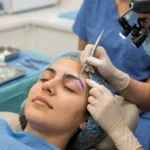
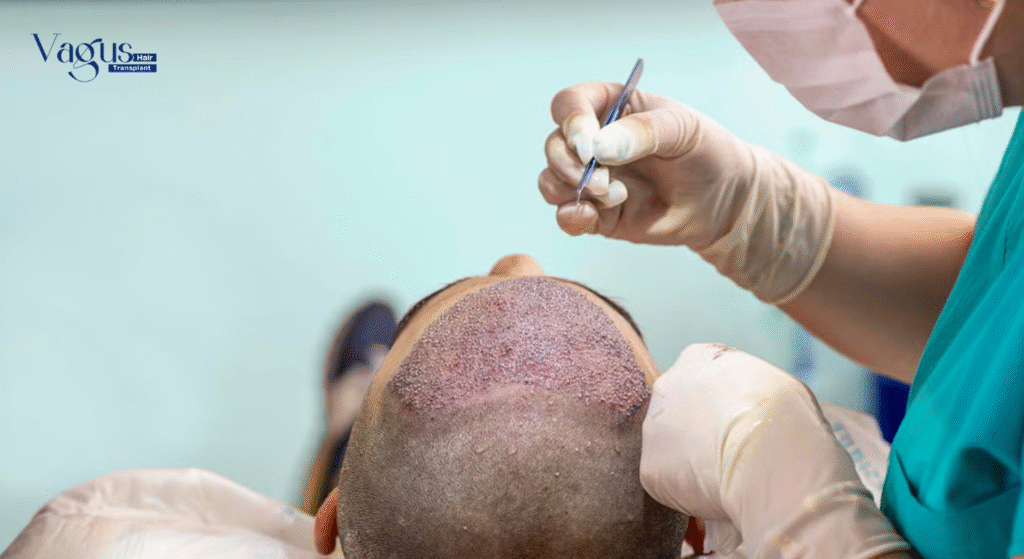
- Follicular Unit Extraction (FUE): This minimally invasive technique involves extracting individual hair follicles and implanting them into the scalp. It leaves no visible scars and allows for a more natural, undetectable result.
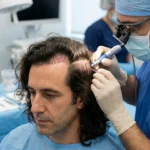
- Direct Hair Implantation (DHI): DHI is similar to FUE but involves using a specialized pen-like tool to implant hair follicles directly into the scalp. This ensures more precise placement of each follicle, contributing to a more natural look.
- Sapphire FUE: An advanced variation of FUE, Sapphire FUE uses a sapphire blade to make incisions, resulting in less damage to the scalp and a more natural appearance post-surgery.
Hair Transplant Before and After: Realistic Results
Comparing Before and After Images
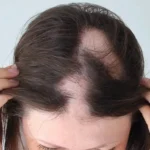
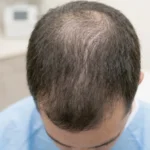
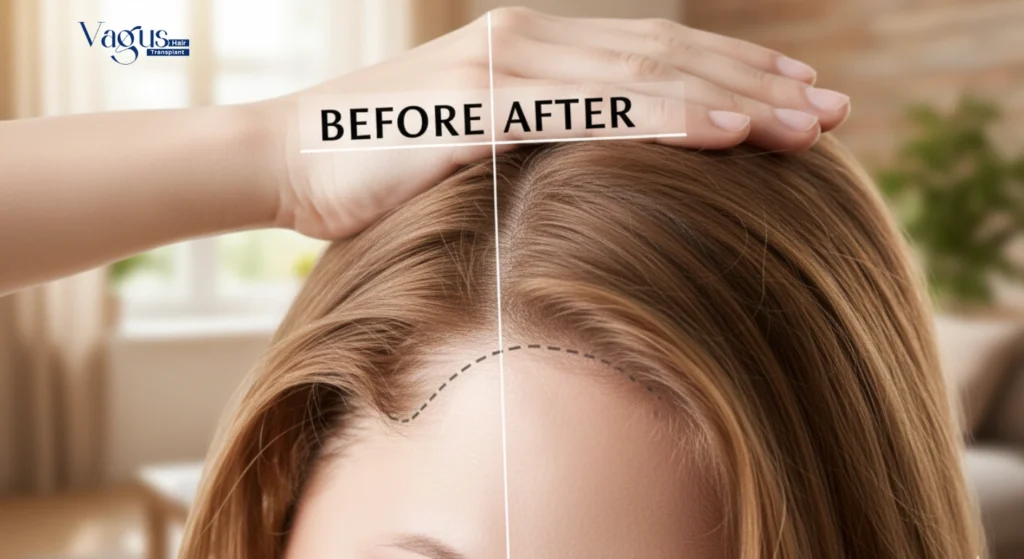
One of the best ways to assess the natural look of a hair transplant is by reviewing before and after images. Many patients see remarkable results that blend seamlessly with their natural hair. Look for examples that show full coverage, a well-designed hairline, and hair that grows in a natural direction.
Timeline of Results Post-Surgery
It’s essential to understand that the natural look of a hair transplant unfolds over time. Here’s a typical timeline:
- 1-3 Months: You may experience shedding as transplanted hairs go through a resting phase.
- 3-6 Months: New hair growth starts to appear, though it may look thin at first.
- 6-12 Months: Hair thickens and becomes more robust, achieving a more natural appearance.
- 1 Year and Beyond: Full results can be seen, with hair looking natural and blending seamlessly with your existing strands.
Common Myths About Hair Transplant Results
- Myth: Transplanted hair always looks obvious.
- Truth: With modern techniques like FUE, the results are highly natural. Most patients experience results that blend perfectly with their natural hair.
- Myth: You’ll need to hide the transplant for months.
- Truth: With proper care, many people can resume their daily activities in a short time, often as soon as two weeks post-procedure.
How Does the Hairline Design Impact Natural Appearance?
Creating a Natural Hairline with Customization
The hairline is one of the most noticeable aspects of a hair transplant, and its design plays a significant role in achieving a natural appearance. A customized hairline that considers your age, gender, and facial features can make a huge difference in the final result. For example:
- For Younger Patients: A natural, slightly lower hairline may be appropriate.
- For Older Patients: A more mature hairline that follows natural age patterns can prevent an artificial look.
The Role of Density in Achieving Natural Results
Hair transplant density needs to be carefully calibrated. Too much density can lead to a “pluggy” appearance, while too little can make the transplant look sparse. Surgeons aim for a balance that mimics the natural density of your hair, ensuring the transplanted hair doesn’t appear overly thick or thin.
Does Hair Transplant Look Natural: What to Expect?
Post-Transplant Hair Growth Timeline
While results take time to fully materialize, patients can expect gradual hair growth that becomes thicker and more natural-looking. Here’s an overview of the hair growth process:
- Initial Shedding: After a transplant, it’s normal to experience shedding. Don’t worry; this is part of the process.
- New Growth: At around 3-6 months, you’ll start seeing new hair growth.
- Full Growth: After 12 months, your hair will reach its full thickness, blending naturally with the surrounding hair.
Maintenance Tips for Ensuring a Natural Look
To keep your hair transplant looking as natural as possible:
- Proper Aftercare: Follow your surgeon’s instructions for post-surgery care, including avoiding direct sun exposure and minimizing physical trauma to the scalp.
- Hair Care Routine: Use gentle shampoos and avoid harsh treatments that could damage newly transplanted follicles.
- Healthy Lifestyle: A balanced diet rich in vitamins and minerals supports hair health.
Hair Transplant Techniques for Natural Results
Follicular Unit Extraction (FUE)
FUE is a highly effective method for achieving a natural look. By extracting individual follicular units, the technique avoids the creation of linear scars, which is typical with older methods. This allows the transplanted hair to grow naturally and blend seamlessly with existing hair.
Direct Hair Implantation (DHI)
DHI improves upon FUE by using a special pen tool to insert hair follicles into the scalp more precisely. This leads to better follicle placement, resulting in hair that grows in a more natural direction and pattern.
The Importance of Skilled Surgeons in Natural-Looking Results
A skilled and experienced surgeon plays a pivotal role in ensuring the results look natural. Expertise in hairline design, follicle placement, and density distribution is key to achieving the most natural outcome.
FAQs
Will My Hair Transplant Look Natural Immediately?
No, it takes time for the full results to show. Expect shedding and thin growth at first, followed by fuller, more natural-looking hair around 6-12 months.
Can Hair Transplants Be Rejected by the Scalp?
While rare, the body can sometimes reject transplanted hair follicles. However, with proper care and a skilled surgeon, the chances of rejection are minimal.
How Can I Maintain a Natural Look After a Hair Transplant?
To maintain a natural look, follow proper aftercare instructions, avoid harsh treatments, and ensure a healthy lifestyle to support hair health.
Conclusion:
Natural-looking hair transplants are possible with the right technique, expert surgeon, and proper aftercare. By understanding the factors that influence the results, such as hairline design, density, and growth patterns, you can ensure that your hair restoration blends seamlessly with your natural hair.
Book a Free Consultation with Our Experts to learn more about achieving a natural look with a hair transplant.