Summary
Most insurers consider hair restoration elective, so the answer to does insurance cover hair transplant is usually no. Exceptions exist for reconstructive cases like burns, trauma, or gender-affirming surgery.
This guide explains when coverage may apply, how to check policies, appeal denials, and explore financing options.
Introduction
Are you wondering does insurance cover hair transplant given the high costs of surgery? In most cases, insurers consider it cosmetic and don’t cover it. But there are exceptions worth knowing.
This guide explains when insurance might apply, how to check your policy, alternative financing options, and expert recovery tips helping you make a confident, informed decision backed by medical insight.
What Is a Hair Transplant & Why It’s Usually Considered Cosmetic

Overview of Hair Transplant Procedures
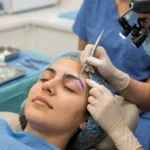
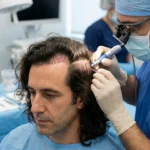
Hair transplantation is a surgical procedure where healthy hair follicles are moved from a donor site (often the back of the scalp) to thinning or balding areas. The two most common methods are FUT (Follicular Unit Transplantation) and FUE (Follicular Unit Extraction).
Cosmetic vs. Medically Necessary Surgery
Health insurers draw a clear line: cosmetic procedures are performed for appearance, while reconstructive surgeries restore function or appearance after trauma or disease. Since most hair transplants are done to treat male or female pattern baldness, they fall under “cosmetic” exclusions.
How Insurers Define “Elective” vs. “Reconstructive”
Elective = patient choice, not essential for health.
Reconstructive = medically necessary after burns, trauma, cancer removal, or certain conditions.
Why Insurance Usually Does Not Cover Hair Transplants
Insurance Policy Basics: What’s Excluded
Most policies have a section excluding cosmetic treatments such as hair restoration. Even with documented distress, insurers rarely consider baldness a medical condition.
Insurer Policies & Precedents
For example, major U.S. insurers like Aetna and Cigna list hair transplant as not covered unless tied to reconstructive needs.
Exceptions & Special Cases: When Insurance Might Cover Hair Transplant
Reconstructive Surgery After Burns, Trauma, or Scars
If hair loss results from burns, an accident, or surgery, insurers may classify the procedure as reconstructive.
Gender-Affirming Hair Restoration
Some progressive insurance providers cover hair transplantation as part of gender-affirming care, though approval depends on jurisdiction and policy.
Post-Cancer or Tumor Surgery Cases
Patients who lose scalp hair after cancer surgery or radiation sometimes qualify under reconstructive clauses.
Documentation Required
- Physician’s letter stating medical necessity
- Photos showing trauma or scar
- Insurance coding (CPT/ICD) for reconstructive work
How to Determine if Your Policy Covers Hair Transplant
Step 1: Review Policy Language
Look for terms like “cosmetic,” “reconstructive,” “medically necessary.”
Step 2: Learn Insurance Codes
Procedures coded as cosmetic (e.g., CPT 19500) are typically excluded. Codes tied to trauma or reconstruction may qualify.
Step 3: Work With Your Physician
Ask your surgeon to draft a medical necessity letter. This often makes or breaks insurance appeals.
Step 4: Submitting Appeals
If denied, file an appeal. Include:
- Doctor’s statement
- Supporting medical documents
- Case references
Step 5: Sample Appeal Letter
Dear Insurance Provider,
I am requesting coverage for a hair restoration procedure following burn trauma. This is not elective but medically necessary to restore normal appearance and scalp function.
Costs of Hair Transplant Without Insurance
Typical Cost Ranges
- U.S.: $4,000 – $15,000
- Pakistan: PKR 80,000 – PKR 400,000
- UK/EU: £3,000 – £7,000
Factors That Affect Price
- Surgeon’s experience
- Number of grafts
- Technique (FUE vs FUT)
- Clinic location
| Country | Typical Cost per Graft (USD) | Approx. Total for 3,000 Grafts* | Notes |
|---|---|---|---|
| Pakistan | $0.60 – $1.50 | ~$2,300 – $6,000 | Good value in major cities; experienced surgeons available. |
| Turkey | $0.80 – $2.00 | ~$2,900 – $7,500 | Popular for medical tourism; many clinics bundle hotel/transport. |
| India | $0.80 – $2.00 | ~$2,900 – $7,500 | Competitive pricing; quality varies—vet clinics carefully. |
| Mexico | $1.50 – $3.00 | ~$5,000 – $10,500 | Strong option for North Americans; look for board-certified surgeons. |
| Brazil | $1.50 – $3.00 | ~$5,000 – $10,500 | Established cosmetic surgery market in big cities. |
| Thailand | $1.50 – $3.50 | ~$5,000 – $11,500 | Mix of local and international clinics; tourism-friendly. |
| Spain | $2.00 – $5.00 | ~$6,500 – $16,500 | EU standards; good mid-to-premium segment. |
| UAE | $2.50 – $6.00 | ~$8,000 – $19,500 | Premium market; higher facility costs. |
| Germany | $3.00 – $6.00 | ~$9,500 – $19,500 | Strict regs; strong reputations at top centers. |
| UK | $3.00 – $7.00 | ~$9,500 – $22,500 | Higher labor/overhead; verify surgeon involvement. |
| Australia | $3.00 – $7.00 | ~$9,500 – $22,500 | Fewer clinics; costs trend premium. |
| Canada | $3.50 – $8.00 | ~$11,000 – $25,500 | Premium pricing; check per-graft vs. package quotes. |
| South Korea | $2.00 – $6.00 | ~$6,500 – $19,500 | Advanced tech; language support varies. |
| USA | $3.00 – $10.00 | ~$9,500 – $31,500 | Widest range; top surgeons command highest fees. |
Financing & Alternative Payment Options
Medical Loans or Credit Plans
Many clinics partner with lenders offering monthly installments.
In-House Clinic Financing
Some transplant centers let patients pay in stages (consultation, procedure, follow-ups).
HSA/FSA Accounts
In rare cases, patients may use pre-tax health accounts if coded as reconstructive.
Crowdfunding & Grants
Patients sometimes raise funds through community support, especially after accidents.
Recovery, Timeline & Precautions
Typical Recovery Phases
- Days 1–7: Scalp healing, mild swelling
- Weeks 2–4: Shedding phase
- Months 3–6: New growth begins
- 12 months+: Full results visible
Why Sweating Matters
Sweating can loosen grafts in early recovery. Avoid gyms, saunas, and outdoor sports for the first 2–3 weeks.
When to Resume Exercise
Light walking: after 7–10 days
Moderate workouts: after 3–4 weeks
Heavy lifting/strenuous activity: after 6 weeks
Frequently Asked Questions
Is hair transplant ever covered by insurance?
Yes, but only if tied to reconstructive surgery after burns, trauma, or gender-affirming treatment.
Does insurance cover hair transplant after chemotherapy?
Rarely. Most insurers do not classify post-chemo hair restoration as medically necessary.
Can insurance cover medications like finasteride or minoxidil?
Yes, some policies cover hair-loss drugs even when surgery isn’t covered.
How often do people succeed in getting coverage?
Very rarely under 5% of cases. Success depends on strong documentation.
Which insurers are more likely to cover hair restoration?
Policies tied to reconstructive care, or inclusive gender-affirming benefits, may provide partial coverage.
Next Steps
Insurance rarely covers cosmetic hair transplants but exceptions exist. If you’re unsure, the best step is to get professional guidance. Book a consultation with Vagus Hair Transplant in Islamabad today for a free policy review, personalized treatment plan, and clear answers about your options.