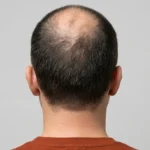
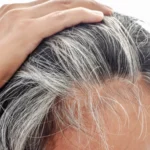
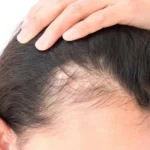
Does Minoxidil Work for Women? Yes, minoxidil can be an effective treatment for women experiencing hair thinning, particularly in the early stages of female pattern hair loss.
Clinical studies show that up to 60% of women see improvements in hair density and regrowth with consistent use. However, results can vary depending on the stage of hair loss and individual factors, and continuous use is necessary to maintain results.
Introduction
Hair loss in women can be a distressing experience, but finding the right solution can make a significant difference. If you’ve wondered whether minoxidil works for women, you’re not alone. This treatment is often recommended for female pattern hair loss, but its effectiveness can vary.
In this article, we’ll explore how minoxidil works, the benefits, potential side effects, and what realistic results you can expect. By reading this, you’ll gain insight into whether this treatment could help you regain your confidence and thicker hair.
What is Minoxidil & How It Works
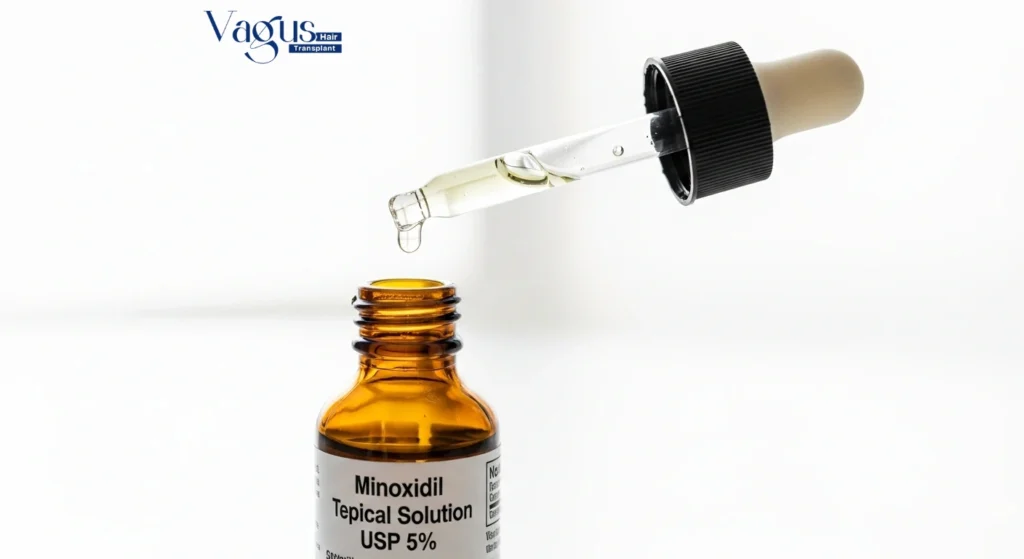
Minoxidil: From Blood Pressure Drug to Hair Regrowth Treatment
Minoxidil was initially used as a medication for high blood pressure. However, researchers discovered that one of its side effects was increased hair growth. As a result, it was developed into a topical solution for treating hair loss. Today, it’s commonly used for both men and women dealing with hair thinning or baldness.
Mechanism of Action: How Minoxidil Stimulates Hair Follicles
Minoxidil works by improving blood circulation to the hair follicles. This allows more nutrients and oxygen to reach the hair, stimulating the follicles and promoting hair growth. It prolongs the anagen phase (growth phase) of hair, while shortening the telogen (resting phase), allowing hair to grow more rapidly and stay longer.
Approved Uses : Why Minoxidil Is Widely Used for Female Hair Loss
Minoxidil is FDA-approved for use in treating female pattern hair loss (FPHL). Women who experience thinning, especially at the crown or part line, can benefit from this treatment. It is also used to treat other forms of hair loss, including alopecia areata and telogen effluvium.
Does Minoxidil Work for Women? What Research Says
Clinical Evidence: Key Studies & Results
Numerous studies show that minoxidil is effective in treating hair loss in women. A significant clinical trial found that 5% minoxidil was more effective than a 2% solution and placebo, with 60% of women experiencing a noticeable increase in hair density. A study published in the Journal of the American Academy of Dermatology confirmed that 5% topical minoxidil helped stimulate regrowth in up to 60% of participants after 48 weeks of use.
Effectiveness Rates: What Women Can Expect
Up to 60% of women using minoxidil experience thicker hair and some regrowth. However, results vary widely depending on the stage and severity of hair loss. For early-stage hair loss, minoxidil tends to be more effective, while it may be less so for those with advanced balding.
Why Results Vary: Factors Affecting Success
Individual responses to minoxidil can differ based on several factors:
- Stage of Hair Loss: Minoxidil is most effective in women who are in the early to moderate stages of hair thinning.
- Consistency and Duration: It requires consistent, daily application, and it can take 3 to 6 months before visible results appear.
- Scalp Condition: A healthy scalp that is free of irritation or excessive buildup will likely respond better to treatment.
Choosing the Right Minoxidil Formulation for Women
2% Solution vs 5% Foam/Liquid : Pros & Cons
When deciding on the right formulation, women typically have two main options: the 2% liquid solution or the 5% foam. The 2% solution is often recommended for those with sensitive scalps as it has fewer side effects. The 5% foam is a bit stronger, offering quicker results but can cause more irritation in some users.
- 2% Solution: Applied twice daily. Preferred for women with a sensitive scalp.
- 5% Foam: Applied once daily. More effective but might cause dryness or irritation.
Off-label/Oral Minoxidil: What You Should Know
While topical minoxidil is the most common form, some women may consider oral minoxidil for more severe cases. This off-label use requires a doctor’s approval, as it can have more pronounced side effects, including heart palpitations or dizziness. It’s not generally recommended for casual use.
What to Expect: Timeline, Realistic Results & Maintenance
Typical Timeline for Results
It typically takes 3–6 months of consistent use to start noticing visible results. Full benefits, including noticeable hair regrowth, can be seen after 8–12 months of use. Initially, some women may experience increased shedding, which is a normal part of the process as old hairs are pushed out to make room for new growth.
Maintenance: Why Results Are Often Temporary
Minoxidil’s effects are not permanent. If you stop using it, any new hair growth will gradually be lost. To maintain results, continuous application is necessary. However, the amount of regrowth might slow down after the first few years of use.
Realistic Results
While minoxidil can help thicken existing hair and stimulate new growth, it is not a miracle cure. Expect gradual improvement rather than dramatic results, especially if you have severe hair loss.
Safety & Side Effects: What Women Should Consider
Common Side Effects
Most women experience mild side effects when using minoxidil, including:
- Scalp Irritation: Itching, redness, or dryness at the application site.
- Unwanted Hair Growth: Rare, but some women notice fine hair growth on the forehead or face.
If any of these symptoms persist or worsen, it’s essential to consult with a healthcare provider.
Special Considerations: Pregnancy, Breastfeeding, Hormonal Disorders
Minoxidil should not be used during pregnancy or while breastfeeding, as it is not known if it is safe for infants. Women with hormonal imbalances, such as those with PCOS, should speak with a healthcare provider before using minoxidil, as hormonal treatments might be needed for more effective results.
Who Benefits Most (and Who Might Not)
Ideal Candidates
Minoxidil is most beneficial for women with early-stage female pattern hair loss (FPHL). It works best for those with thinning hair at the crown or part, rather than for women with large bald patches.
Cases with Lower Odds
For women with scarring alopecia, advanced baldness, or hair loss due to trauma or medical conditions, minoxidil might not be effective. These conditions require different treatment approaches, such as corticosteroid injections or other therapies.
How to Use Minoxidil Properly for Best Results
Application Tips
- Apply 2% solution twice a day or 5% foam once a day directly to the scalp.
- Ensure your scalp is clean and dry before application.
- Avoid overusing applying more than the recommended dose won’t yield faster results.
Complementary Habits to Enhance Results
- Follow a healthy diet rich in vitamins and minerals that support hair health, such as biotin, zinc, and vitamins A and E.
- Reduce stress levels, as stress can contribute to hair loss.
- Avoid using harsh hair treatments or styling products that may cause scalp irritation.
Alternatives & Adjunct Treatments to Consider
Other Medical Options
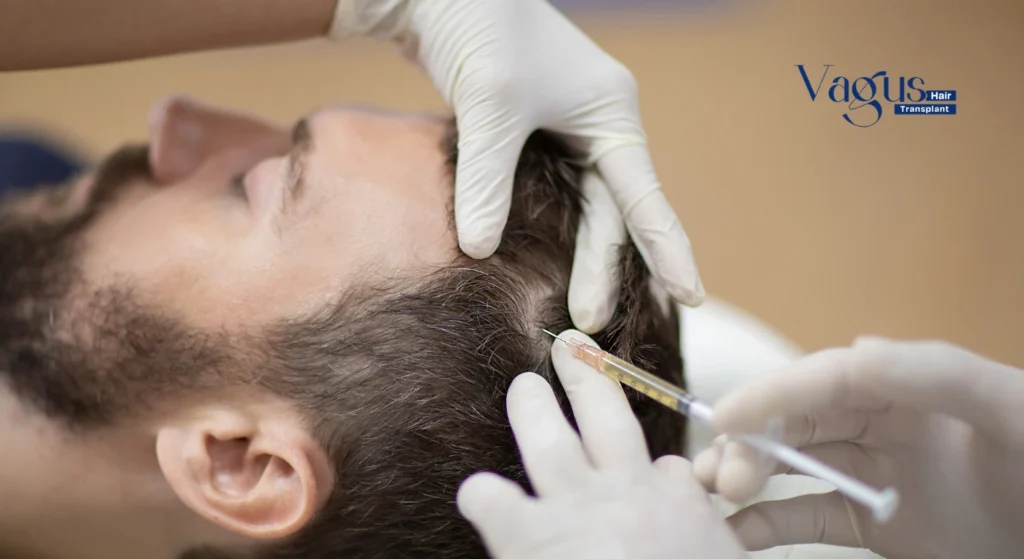
If minoxidil alone does not provide sufficient results, consider combining it with anti-androgens, such as spironolactone, or other treatments like PRP (platelet-rich plasma) therapy, which has shown promise in stimulating hair growth.
When to Combine Treatments
For women who don’t see significant improvement from minoxidil alone, a combination of minoxidil and PRP, along with proper scalp care, might provide the best results.
Expert Insights & Medical Guidance
Minoxidil has helped countless women regain thicker hair, but it is essential to understand that it is not a one-size-fits-all solution. For the best results, it’s always wise to consult a dermatologist or trichologist to tailor a treatment plan that fits your specific needs.
If you’re experiencing hair thinning and want to see if minoxidil can help, consult a specialist to assess your situation. Regular use of minoxidil could significantly improve hair density and slow further hair loss.
FAQ: Frequently Asked Questions About Minoxidil for Women
Does minoxidil cause unwanted hair elsewhere?
Yes, some women experience hair growth on their forehead or face, which can be managed by wiping away excess product.
How long until I see visible results?
Expect to see some results after 3–6 months, with full results visible after 8–12 months.
Can I stop minoxidil once hair improves?
No, discontinuing treatment will likely lead to the loss of any new hair growth.
Is 5% stronger minoxidil safe for women?
5% minoxidil is effective but can cause more irritation than the 2% solution. Always start with the lower concentration to assess your scalp’s sensitivity.
Can pregnant or breastfeeding women use minoxidil?
No, it is not recommended during pregnancy or breastfeeding.
Will minoxidil work for all types of hair loss?
Minoxidil is most effective for female pattern hair loss but may not work for other causes of hair thinning, such as scarring alopecia.