Platelet-Rich Plasma (PRP) therapy has gained significant popularity as a hair restoration treatment. While PRP can effectively promote hair regrowth, it is not a permanent solution for hair loss. The results depend on various factors such as the individual’s hair loss condition, the number of sessions, and the aftercare. While it can stimulate hair growth and slow down hair loss, regular maintenance sessions are often needed for sustained results.
Introduction
PRP (Platelet-Rich Plasma) therapy has emerged as one of the most sought-after treatments for hair regrowth. This cutting-edge procedure involves injecting your own plasma, rich in growth factors, into your scalp to stimulate dormant hair follicles. Many individuals searching for solutions to thinning hair wonder, “Does PRP treatment regrow hair permanently?” While PRP can significantly promote hair regrowth, the results are not permanent, and regular maintenance is essential to maintain its effects.
In this article, we’ll dive deep into the mechanics of PRP(Platelet-Rich Plasma) therapy, what you can expect from the treatment, its effectiveness, and how long the results last. Whether you are exploring PRP for hair rejuvenation or considering it as a part of your hair restoration journey, this guide will provide you with all the essential insights.
What is PRP Therapy?
Understanding Platelet-Rich Plasma (PRP): The Science Behind It
PRP is a concentration of platelets derived from your own blood. It contains numerous growth factors that help in tissue regeneration. When injected into the scalp, PRP rejuvenates hair follicles, stimulating growth and helping reverse the thinning process.
How PRP is Prepared: A Step-by-Step Process
- Blood Collection: A small sample of your blood is drawn.
- Centrifugation: The blood is placed in a centrifuge to separate platelets from other blood components.
- Preparation: The platelet-rich plasma is extracted and ready for injection.
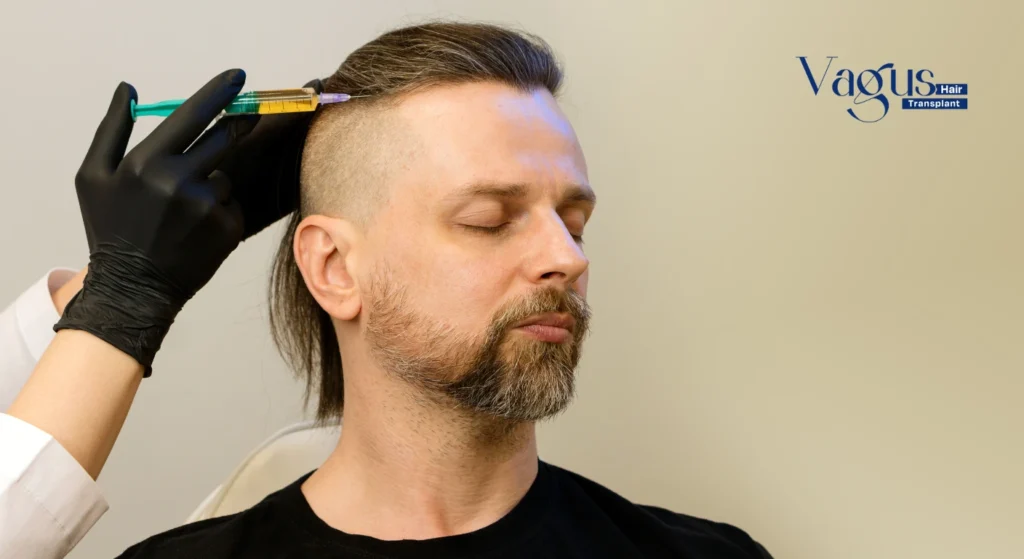
- Injection: The PRP is injected into the scalp at the areas of thinning or hair loss.
Related; Platelet-Rich Plasma Injections
How Does PRP Help Regrow Hair?
The Role of Platelets in Hair Follicle Stimulation
Platelets contain growth factors that promote healing and stimulate the regeneration of tissues. When injected into the scalp, these growth factors activate dormant hair follicles, encouraging them to start producing hair again.
How PRP Promotes Hair Regrowth: Stimulating Dormant Hair Follicles
PRP works by increasing blood flow to the hair follicles, which improves oxygen and nutrient delivery. This process enhances follicular activity, encouraging new hair growth. It also strengthens the existing hair follicles, making the hair thicker and stronger over time.
Is PRP Effective for All Hair Loss Types?
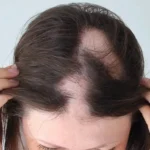
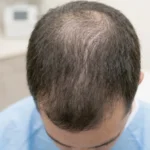
PRP therapy works best for individuals suffering from androgenic alopecia (male or female pattern baldness) and thinning hair. It is less effective for individuals with complete baldness or scarring alopecia. The therapy is ideal for people looking for natural hair regrowth.
What to Expect During a PRP Treatment?
The Procedure Explained: How the Treatment is Done
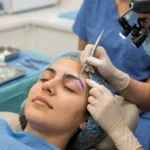
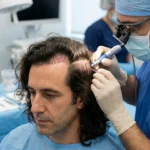
During a PRP treatment session, your blood is drawn, processed, and then re-injected into the scalp. It typically takes 45 minutes to an hour to complete the procedure. There is minimal downtime, and the procedure is usually well tolerated.
What Happens After Treatment? Immediate Side Effects and Aftercare
After the procedure, you may experience slight redness or swelling at the injection sites. These symptoms usually subside within a few hours to a day. Following proper aftercare is essential to maximize results and minimize complications.
Results Timeline: When Will You Start Seeing New Hair Growth?
A Definitive Timeline (Month-by-Month)
- Month 1: Initial shedding may occur (shock loss), which is normal.
- Month 2-3: Hair follicles start to regenerate, and finer, thinner hairs begin to emerge.
- Month 4-6: New hair starts to thicken and becomes more visible.
- Month 6+: Hair becomes fuller and stronger, with long-term results becoming noticeable.
Realistic Expectations: What Will Your Hair Look Like?
After a few months, you’ll start seeing new, fine hair growth. This hair will initially appear patchy and thin but will thicken as it grows. It may take several months to achieve full results.
The Difference DHI Makes
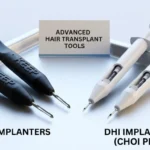
DHI (Direct Hair Implantation) vs. FUE/FUT Direct Hair Implantation (DHI) is a more advanced technique compared to FUE (Follicular Unit Extraction) and FUT (Follicular Unit Transplantation). DHI offers a quicker recovery time and typically results in less scarring and more natural-looking hair. This technique can be used in combination with PRP therapy for enhanced results.
Crucial Aftercare for PRP Hair Restoration
To ensure maximum hair regrowth, following proper aftercare is vital. Here are some aftercare tips:
- Avoid Touching: Refrain from touching or scratching the treated area.
- Avoid Sun Exposure: Protect your scalp from direct sunlight for the first few days.
- Use Gentle Shampoo: Wash your hair with a mild shampoo to prevent irritation.
PRP for Hair Regrowth: Results and Effectiveness
Before and After PRP Hair Regrowth: What Does the Evidence Show?
Clinical studies and patient reviews have shown that PRP therapy can significantly improve hair thickness and density in those with androgenic alopecia. Patients often experience a visible improvement in hair regrowth, especially when treated early in the hair loss process.
Success Rates of PRP for Hair Loss: Real-World Results and Patient Reviews
Success rates vary, but many patients report visible results after 3-6 months. The therapy has an estimated success rate of around 70-80%, particularly for individuals with early-stage hair thinning.
How Long Do the Results Last?
While PRP can produce long-term results, they are not permanent. To maintain hair regrowth, patients typically require maintenance sessions every 6-12 months.
Is PRP Therapy Right for You?
Who is a Good Candidate for PRP?
PRP therapy is ideal for individuals experiencing early-stage hair thinning or those with androgenic alopecia. It is not recommended for those with advanced baldness or those who do not have enough viable hair follicles.
PRP vs. Other Hair Loss Treatments: A Comparison
PRP is often compared to other hair loss treatments such as minoxidil, finasteride, and hair transplants. While minoxidil and finasteride can be effective, PRP offers a more natural solution by using your body’s own healing properties. Hair transplants, on the other hand, provide permanent results but require more invasive procedures and longer recovery times.
Potential Side Effects of PRP Hair Treatments
Common Side Effects: Mild Pain, Swelling, or Redness
Side effects are typically mild and include minor pain, swelling, or redness at the injection sites. These symptoms generally resolve within a few hours to a day.
Rare Complications: Risks of Infection or Allergic Reaction
Although rare, PRP therapy carries a slight risk of infection or allergic reaction. It is important to follow the aftercare instructions provided by your provider to minimize these risks.
How Much Does PRP Therapy Cost?
Average Cost of PRP Hair Treatment
The cost of PRP therapy can vary depending on your location and the number of sessions required. On average, a single session can cost anywhere from $500 to $1,500.
Factors Affecting PRP Cost: Clinic Reputation, Location, and Number of Sessions
The cost may also depend on the clinic’s reputation, the expertise of the provider, and the number of PRP sessions needed. Some clinics may offer package deals for multiple sessions, which can reduce the cost per treatment.
Final Thoughts
PRP therapy can be a highly effective treatment for those suffering from early-stage hair loss. While the results are not permanent, it can offer significant improvements when combined with proper aftercare and maintenance sessions.
Overall, PRP therapy is a promising option for hair regrowth, especially for those who are seeking a non-surgical solution. With realistic expectations and regular treatments, PRP can help restore thicker, healthier hair.
Are you ready to take the next step in your hair restoration journey with PRP therapy? If you’re struggling with hair thinning or pattern baldness, PRP could be the solution you’ve been searching for.
Frequently Asked Questions (FAQs)
1. Does PRP regrow hair permanently?
No, while PRP can effectively stimulate hair growth, the results are not permanent. Regular maintenance sessions are required to maintain the results.
2. How many PRP sessions do I need for hair regrowth?
Most patients require 3-4 sessions spaced about a month apart. After that, maintenance sessions may be needed every 6-12 months.
3. Is PRP painful?
PRP therapy involves minimal discomfort. A topical numbing cream is typically applied before the procedure to reduce any pain or discomfort during the injections.
4. How soon can I see results from PRP therapy?
Visible results typically appear after 3-6 months, with new hair growth starting as fine, thin hairs that gradually thicken over time.
5. What happens if PRP doesn’t work?
If PRP doesn’t show results, it might not be suitable for your specific type of hair loss. In such cases, you may want to explore alternative treatments like hair transplants or medications.