Yes, exosomes help with hyperpigmentation significantly by acting as targeted cellular messengers that interrupt the overproduction of melanin (the pigment responsible for dark spots). They deliver potent anti-inflammatory signals, growth factors, and regulatory microRNAs directly to the skin cells (melanocytes), effectively “telling” them to slow down melanin synthesis. This advanced, holistic approach offers a breakthrough treatment for persistent conditions like melasma and sun spots, resulting in a more even, brighter skin tone with minimal irritation and downtime compared to traditional aggressive therapies.
Introduction
For years, combating stubborn dark spots, melasma, and sun damage has involved a frustrating cycle of strong chemical peels, sometimes harsh hydroquinone, and high-powered lasers. While effective, these treatments often come with significant downtime and a risk of post-inflammatory hyperpigmentation (PIH), especially for darker skin tones.
If you are seeking a truly advanced solution, you’ve likely come across the term exosomes, which help with hyperpigmentation. This emerging field represents a paradigm shift in cosmetic dermatology, moving beyond simply destroying pigment to communicating with the cells that produce it.
Exosomes are tiny, nano-sized vesicles released by cells, such as stem cells, that carry vital instructions. They are essentially nature’s cellular text messages, and when applied to the skin, they deliver powerful signals that promote regeneration and healing. The question “Do exosomes help with hyperpigmentation?” is increasingly answered with a resounding yes, making this a top treatment contender in the world of advanced skincare. This article will explore the science and application of Exosomes skin treatment and how they offer a game-changing solution for uneven skin tone.
Related: What are exosomes in Skincare
Understanding the Science
What Are Exosomes, and How Do They Work?
Exosomes are not cells themselves, but rather, tiny, lipid-encased bubbles released by stem cells and other cell types. They are defined as ‘nano-vesicles’ and are the primary way cells communicate with one another. Think of them as delivery trucks carrying a concentrated “cargo” of highly beneficial compounds.
This cargo is what makes them so powerful in Skin rejuvenation with exosomes. It includes:
- Growth Factors: Proteins that stimulate cell growth, repair, and renewal.
- Anti-inflammatory Cytokines: Signals that calm stressed or irritated skin.
- MicroRNAs: Genetic material that can literally alter the way recipient cells function, including melanin-producing cells.
The Mechanism: How Exosomes Target Hyperpigmentation
The reason exosome therapy helps with hyperpigmentation lies in their ability to interfere directly with melanogenesis—the process by which the skin produces melanin. Unlike surface-level peels or spot treatments, exosomes address the communication breakdown in the skin that leads to pigment overproduction.
Inhibiting the Key Enzyme (Tyrosinase)
The enzyme tyrosinase is the master switch for melanin production. Exosomes deliver specific microRNAs and regulatory proteins that effectively downregulate the activity of this enzyme within the melanocytes. By slowing down tyrosinase, the cells produce less pigment, leading to a noticeable lightening of existing dark spots and the prevention of new ones.
The Anti-Inflammatory Effect
Many types of hyperpigmentation, particularly melasma and Post-Inflammatory Hyperpigmentation (PIH), are rooted in skin inflammation. When the skin is irritated (from sun exposure, acne, or harsh treatments), it triggers melanocytes to produce melanin as a protective mechanism. Exosomes are rich in anti-inflammatory signals that rapidly calm the skin environment, halting the inflammatory cycle that drives dark spot formation.
Skin Regeneration and Healing
Exosome skin regeneration also plays a direct role. As they promote cell turnover and healthy growth, exosomes help the skin to naturally shed the pigmented surface cells faster, resulting in clearer skin and reinforcing the skin’s barrier to better resist future damage.
Treatment Application and Efficacy
Exosome Therapy for Dark Spots: What to Expect
Exosomes are typically applied in a clinical setting to ensure maximum delivery into the deeper layers of the skin. This ensures they reach the melanocytes where they can deliver their therapeutic cargo.
Combining Exosomes with Microneedling
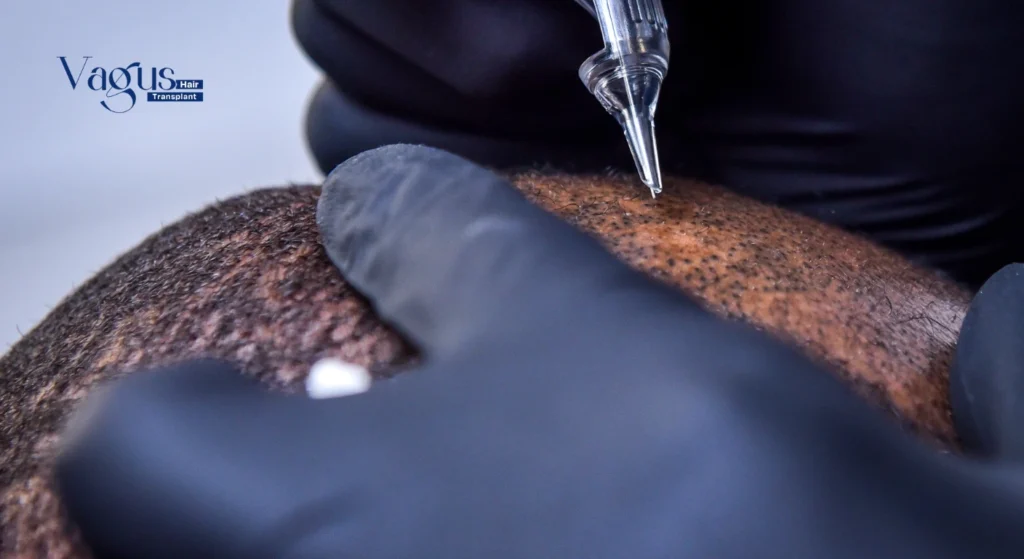
The most popular and effective way to utilise exosomes to help with hyperpigmentation is by combining them with a procedure like microneedling or fractional laser. The micro-injuries created by microneedling form tiny channels, allowing the concentrated exosome serum to penetrate deep into the dermis for targeted action.
Post-Laser/RF Application
Exosomes are also invaluable immediately following more aggressive laser or radiofrequency (RF) procedures. Applying an exosome solution at this stage speeds up the healing process, significantly reduces inflammation, and minimises the risk of the dreaded Post-Inflammatory Hyperpigmentation (PIH).
Topical Exosome Skincare
While potent, at-home topical products containing exosomes are generally maintenance boosters. The concentration and penetration achieved with professional, in-office application are usually much higher and therefore more effective for tackling deep-seated hyperpigmentation.
Clinical Evidence and Expected Results
While research is ongoing, initial clinical studies and real-world applications show promising results for treating various Hyperpigmentation treatment options, including challenging cases like melasma. Patients often report:
- Timeline: Visible improvement and brightening can often be seen after 3-4 professional sessions. Full results, especially for deep melasma, take several months and a commitment to sun protection.
- Overall Improvement: Significant reduction in the intensity and size of dark spots, leading to a much more even and luminous skin tone.
Safety and Comparison
Safety, Sourcing, and Side Effects
One of the major advantages of using exosomes is their excellent safety profile. Because they are natural communicators that the body already recognises, they are generally accepted without an adverse immune response.
- Exosome Sourcing: High-quality, clinical-grade exosomes are typically sourced from cultured human mesenchymal stem cells or specific plant-derived cells. It is crucial to ensure your provider uses reputable, ethically sourced products that have undergone rigorous testing.
- Safety Profile: Exosomes carry virtually no risk of rejection. Potential side effects are usually limited to mild redness and swelling associated with the delivery method (like microneedling) itself, with minimal to no downtime.
Exosomes vs. Traditional Pigmentation Treatments
| Treatment | Primary Mechanism | Key Advantage | Limitation/Risk |
| Exosomes | Cellular communication, melanin regulation, and anti-inflammation | Holistic skin health, low irritation, and effective for melasma | Higher cost, requires multiple sessions |
| Hydroquinone | Inhibits tyrosinase, cytotoxic to melanocytes | Strong short-term pigment reduction | Risk of irritation, rebound pigmentation (Ochronosis) |
| Lasers | Targets and breaks down melanin/pigment with heat | Quick reduction of specific, localised spots | Higher risk of PIH, potential for heat damage |
The data clearly support the fact that exosomes help with hyperpigmentation by offering a powerful, sophisticated alternative that supports skin health rather than relying on aggressive, destructive methods.
Final Thoughts
The ability of exosomes to help with hyperpigmentation is reshaping how we approach skin clearing and rejuvenation. By tapping into the skin’s natural communication systems, this treatment provides a targeted, effective, and gentle method to achieve a bright, even complexion. If you are struggling with hyperpigmentation that has resisted traditional methods, Exosomes in skin treatment offer a new path forward.
Frequently Asked Questions (FAQs)
Q1: How quickly will I see results after exosome treatment?
While some patients notice a subtle glow and reduction in redness within days, the visible lightening of dark spots usually begins after the first 2-3 sessions, with significant improvement seen over 2-3 months as the skin cycle completes.
Q2: Are exosomes a permanent cure for melasma?
Melasma is a chronic condition influenced by hormones and genetics. While exosomes help with hyperpigmentation by offering powerful, long-lasting improvement, they are not a permanent “cure.” Maintenance treatments and strict sun protection are essential to manage and prevent recurrence.
Q3: Is topical exosome skincare as effective as in-office treatment?
Topical exosome products are excellent for supporting skin health and maintaining results, providing a daily dose of exosome-skin regeneration. However, professional in-office delivery methods (such as microneedling) ensure exosomes penetrate deeply enough to directly influence melanocytes, making them superior for treating existing hyperpigmentation.
Ready to unlock the power of cellular communication for your skin?