Exosomes used in microneedling are generally safe when done by a trained professional. This treatment combines the healing power of exosomes with microneedling to improve skin rejuvenation, boost collagen production, and speed up recovery. While it’s usually safe, there can be some side effects, which we will explore in this blog to help you decide if exosomes are right for your skincare needs.
What Are Exosomes?
Exosomes are tiny particles released by cells that help them communicate with each other. In skin treatments, exosomes are derived from stem cells and contain proteins, lipids, and RNA molecules. They are known for their ability to promote healing and tissue regeneration, which makes them ideal for treatments like microneedling.
How Are Exosomes Used in Microneedling?
Microneedling works by creating tiny holes in the skin to trigger the production of collagen. When exosomes are applied after the microneedling process, they accelerate healing, improve skin texture, and enhanceoverall results. This combination makes the treatment more effective than using microneedling alone.
Related, What’s the Difference Between Exosomes and Stem Cells?
The Science Behind Exosomes and Microneedling
Understanding Microneedling: A Quick Overview
Microneedling, also called collagen induction therapy, is a treatment where small needles create tiny injuries in the skin to stimulate healing. This process boosts the production of collagen and elastin, which helps improve skin texture, reduce scars, and minimize fine lines.
How Exosomes Enhance Microneedling Results
Exosomes therapy contain growth factors and molecules that help regenerate the skin. When applied after microneedling, they speed up collagen production, reduce swelling, and improve skin elasticity. This makes the healing process faster and the results more noticeable.
The Role of Exosomes in Skin Regeneration and Healing
Exosomes play a key role in skin regeneration by promoting communication between cells. They help increase collagen and elastin production, both of which are vital for maintaining youthful skin. Exosomes also help reduce scarring, making the healing process smoother and more effective.
Are Exosomes Safe for Microneedling?
What Makes Exosome Therapy Different from Traditional Treatments?
Traditional microneedling relies on creating mechanical injuries to stimulate collagen. Exosome therapy, on the other hand, adds a regenerative element by introducing exosomes to help repair tissue at the cellular level. This makes the treatment more comprehensive and effective in rejuvenating the skin.
Safety Profile: Is Exosome Microneedling Risk-Free?
Exosome microneedling is generally safe when performed by a trained professional. Since exosomes come from stem cells, they are naturally occurring in the body, reducing the risk of side effects. However, like any cosmetic procedure, there are some minor risks, including redness, swelling, or bruising at the treatment site. These side effects usually go away within a few days, and most patients recover quickly.
Potential Side Effects and Risks to Consider
Although exosome microneedling is safe for most people, it’s important to be aware of potential side effects:
- Redness or Swelling: Common side effects that usually disappear within a few days.
- Infection: If proper hygiene and aftercare aren’t followed, there’s a small risk of infection.
- Allergic Reactions: While rare, some individuals might have an allergic reaction to exosomes.
It’s always a good idea to consult with a healthcare provider before the treatment to ensure it’s suitable for your skin and health.
Related, How Long Does Exosome Hair Therapy Last?
Benefits of Using Exosomes in Microneedling
1. Enhanced Skin Rejuvenation and Collagen Production
Exosomes are packed with proteins and growth factors that help your skin regenerate. They support collagen production, improving skin texture, tone, and elasticity for a youthful look.
2. How Exosomes Accelerate Healing After Microneedling
Exosomes help speed up the healing process by reducing inflammation and promoting faster skin regeneration. This means less downtime and quicker recovery compared to traditional microneedling.
3. Long-Term Results: What Users Can Expect
Exosome microneedling provides lasting benefits, improving skin texture and reducing fine lines. Many patients start seeing visible results within 2-3 weeks, with full benefits showing up after a couple of months.
Clinical Evidence and Research on Exosome Microneedling
Overview of Studies: What Does Science Say?
Studies show that exosome therapy boosts the effects of microneedling by helping with faster healing and better skin improvement. Exosomes support collagen production and reduce inflammation, leading to more effective results compared to traditional microneedling.
Real-World Case Studies and Patient Testimonials
Patients who have undergone exosome microneedling often report noticeable improvements in skin texture, reduced fine lines, and quicker recovery times. Many see significant results, especially for acne scars or signs of aging.
Who Should Consider Exosome Microneedling?
Ideal Candidates for Exosome Therapy
Exosome microneedling is great for anyone looking to improve skin texture, reduce fine lines, or rejuvenate their skin. It’s especially effective for people with acne scars, stretch marks, or sun damage.
Contraindications: Who Should Avoid This Treatment?
Exosome microneedling isn’t recommended for people with active skin infections, severe acne, or those who are pregnant. Always consult with a dermatologist before getting any cosmetic treatment to ensure it’s right for you.
Are Exosomes FDA-Approved for Microneedling?
Current Regulatory Status of Exosome Therapy
Currently, exosome therapy isn’t fully FDA-approved for aesthetic treatments, though it’s commonly used in clinical practices. Be sure to choose a licensed professional who follows the latest safety guidelines.
Is It Legal and Safe to Use Exosomes for Skin Treatments?
Exosome therapy is legal in many places but is still considered experimental in some areas. It’s important to verify that the clinic or practitioner uses FDA (food and drug administration)-approved products and follows proper safety protocols to ensure the treatment is safe for you.
Related, What to Avoid After Exosomes Treatment?
What to Expect During an Exosome Microneedling Procedure
Step-by-Step Process: What Happens During the Treatment?
- Consultation: Your skin will be evaluated to determine if you’re a good candidate for the treatment.
- Preparation: Your skin will be cleansed, and a numbing cream will be applied to minimize discomfort.
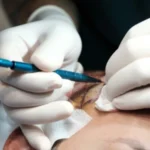
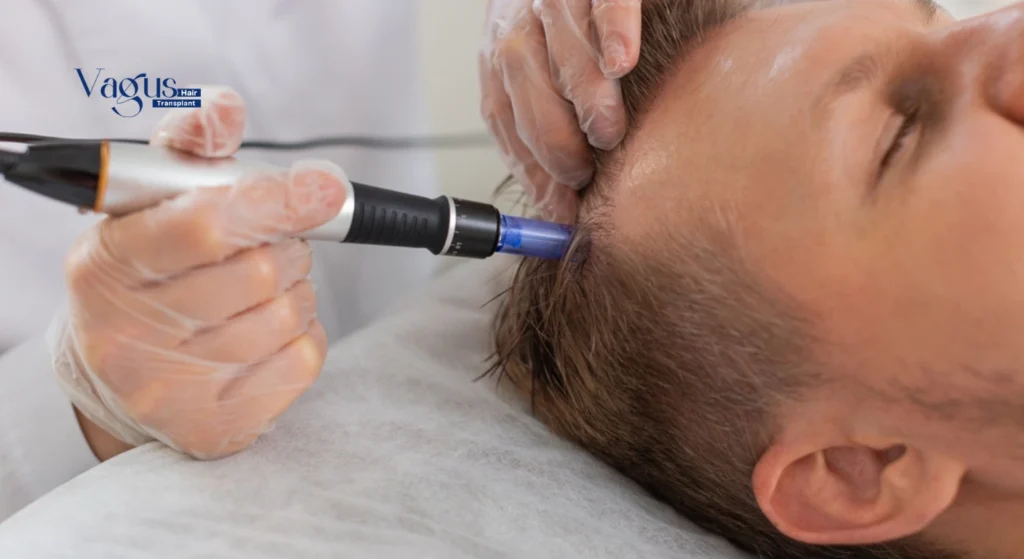
- Microneedling: A device with tiny needles will create small punctures in your skin to stimulate healing.
- Exosome Application: After microneedling, exosomes will be applied to help speed up healing and improve results.
Post-Treatment Care and Recovery Time
After the treatment, you may experience some redness or mild swelling, similar to sunburn. Most patients feel fine within 24 hours and can return to their normal activities quickly.
Expected Results and Timeline
You should see some improvements within 2-3 weeks, and the full benefits will be visible in 1-2 months. The results last a long time, though regular maintenance treatments might be needed to keep up the results.
Exosome Microneedling vs. Traditional Microneedling
Comparing Results and Effectiveness
Exosome microneedling offers quicker healing and better skin rejuvenation than traditional microneedling. The added exosomes help boost collagen production, leading to more noticeable improvements.
Cost Comparison: Is Exosome Microneedling Worth It?
Exosome microneedling tends to be more expensive due to the advanced technology. However, many patients find that the faster recovery time and better results make it a valuable investment.
Final Thoughts
Exosome microneedling is safe and highly effective for improving skin texture, reducing fine lines, and boosting collagen. If you’re looking for faster recovery and better results compared to traditional microneedling, this might be the right option for you.
Before booking an appointment, consider your skin type, medical history, and goals. It’s a good idea to consult with a trained professional to make sure this treatment is suitable for you.
Frequently Asked Questions
1. Is exosome microneedling safe for all skin types?
Yes, it’s safe for most skin types, but if you have active skin conditions or infections, you should avoid this treatment.
2. How many sessions of exosome microneedling are needed?
Typically, 2-3 sessions spaced 4-6 weeks apart are enough to see noticeable results.
3. Can exosome microneedling help with acne scars?
Yes, it can help reduce acne scars by encouraging collagen production and speeding up skin healing.
4. What is the downtime after an exosome microneedling procedure?
The downtime is minimal, usually 1-2 days of mild redness and swelling.
The downtime is minimal, usually 1-2 days of mild redness and swelling.