Vagus Hair Transplant

FAQs (Frequently Asked Questions)

At Vagus Hair Transplant, our mission is to help you regain confidence and redefine your image through advanced hair restoration by trusted experts.

Hair Transplant Techniques: FUT, FUE, DHI & Sapphire

What is the difference between FUT and FUE hair transplant?
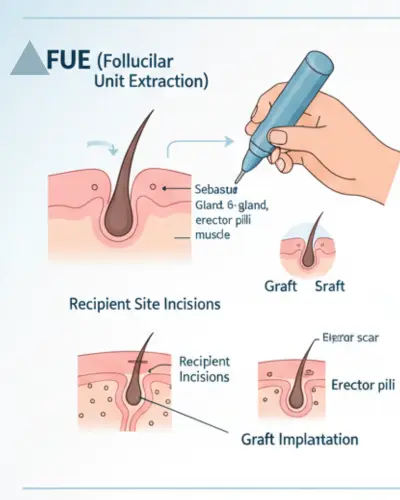
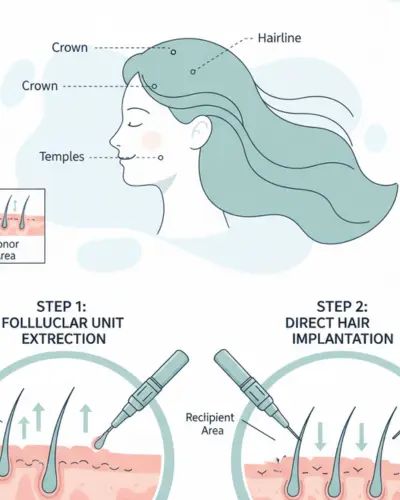
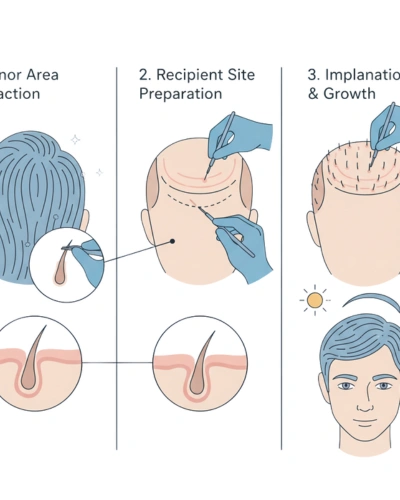
FUT involves removing a strip of scalp to extract grafts, while FUE extracts individual follicles directly. FUE is less invasive and doesn’t leave a linear scar.
Direct Hair Implantation uses a Choi implanter pen to place grafts directly into the scalp without creating incisions beforehand, offering better control over angle and density.
Sapphire FUE uses a blade made from sapphire instead of steel, allowing for finer incisions and faster healing with less tissue trauma.
The best method depends on your hair type, donor quality, goals, and budget. Our specialists guide you during consultation.
Yes, DHI tends to cost more due to advanced tools and more precise implantation.
Yes, FUT leaves a linear scar on the donor area, but it can be hidden if you keep your hair long.
FUE doesn’t leave a linear scar, but tiny dot scars may be visible if the head is shaved completely.
Sapphire FUE and DHI typically offer quicker recovery due to less trauma to the skin.
hair transplant techniques
female hair transplant

Female Hair Transplant FAQs

Can women get hair transplants?
Absolutely. Women with pattern thinning or hair loss due to hormonal imbalance or trauma are great candidates.
Hormonal changes, genetics, stress, and medical conditions like PCOS can all contribute to thinning hair in women.
Yes, women usually experience diffuse thinning, so the transplant is customized to restore volume and density without a defined hairline.
We follow a soft, age-appropriate, and natural-looking design based on your facial structure and hair growth pattern.

Scalp Micropigmentation (SMP)

What is scalp micropigmentation?
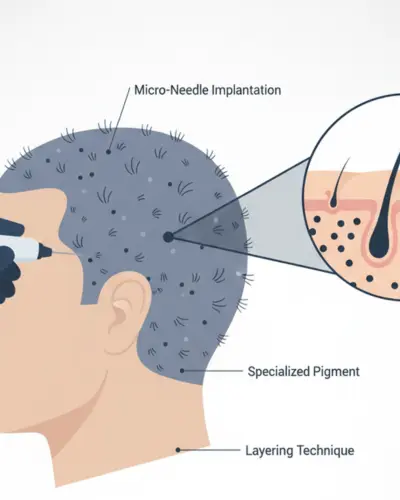
Scalp micropigmentation (SMP) is a non-surgical treatment that uses pigment dots to mimic the appearance of short hair or density on a thinning scalp.
SMP doesn’t involve moving hair; it creates the illusion of thicker hair using tiny tattooed dots on the scalp.
It’s semi-permanent, lasting 3–6 years depending on skin type and aftercare.
Yes, combining both can enhance the appearance of density, especially in areas with limited graft availability.
Yes, gradual fading occurs but touch-ups can maintain the desired look.
scalp micropigmentation
medical treatments

Medical Hair Loss Treatments

Do you offer non-surgical treatments for hair loss?
Yes, we offer PRP, exosome therapy, laser treatments, and medications to treat early-stage hair loss.
PRP uses platelets from your blood, injected into the scalp to stimulate dormant hair follicles and improve growth.
Exosomes contain growth factors that rejuvenate weak follicles and promote natural regrowth at the cellular level.
LLLT is FDA-approved and helps stimulate hair follicles, improve thickness, and slow shedding.
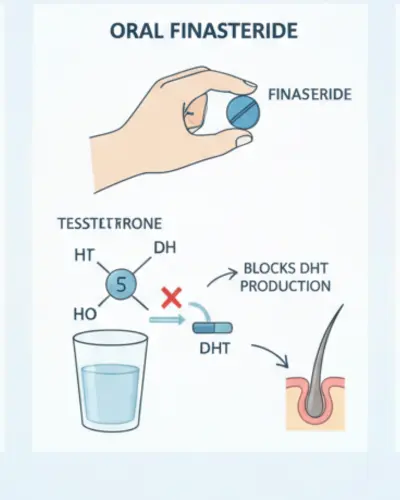
Yes, they are safe when prescribed by a doctor and used as directed. However, side effects should be discussed during consultation.

Before the Procedure

How should I prepare for my transplant?
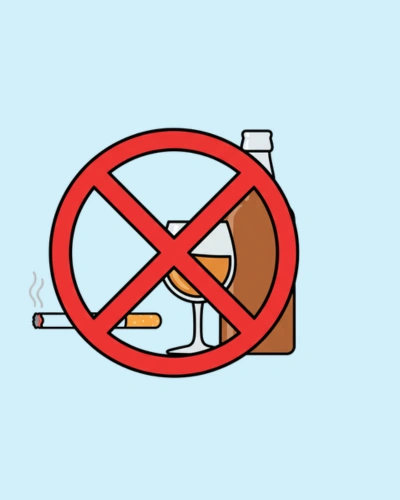
Avoid smoking, alcohol, blood thinners, and heavy exercise 1 week before. Follow all pre-op instructions.
No, both can affect healing and reduce graft survival. Avoid them at least 7 days before and after.
Only under medical guidance. Inform your doctor about all current medications during consultation.
Not always. It depends on the technique used. DHI allows for unshaven procedures in many cases.
before the procedure
during the procedure

During the Procedure

Is the procedure painful?
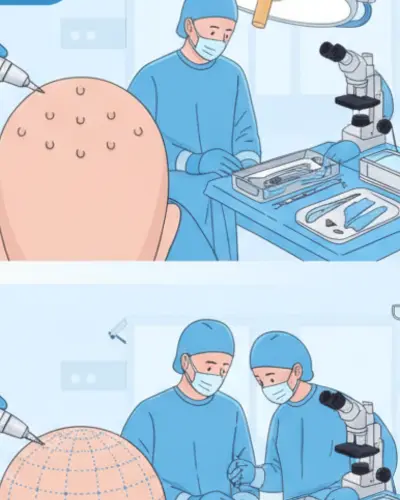
Most patients feel little to no pain due to local anesthesia. You may feel slight pressure or vibrations.
Local anesthesia is used to numb the scalp. You remain awake but comfortable throughout.
It typically takes 4–8 hours, depending on the number of grafts.
Yes, patients are awake but relaxed. You can talk, listen to music, or even take short breaks.

Aftercare & Recovery

What is the recovery time?
Initial recovery takes about 5–7 days. Full healing and growth take several months.
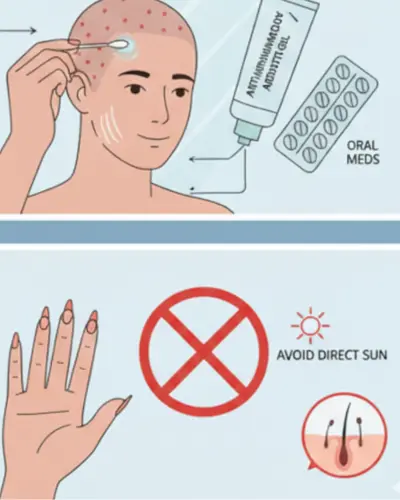
Light activity can resume in 2–3 days. Avoid gym, swimming, and heavy sun exposure for at least 2 weeks.
Yes, mild swelling or redness is normal and usually subsides within a few days.
You can usually wash your hair gently after 3–4 days, following the clinic’s specific instructions.
Avoid sweating, touching the grafts, sun exposure, and harsh shampoos for at least 10–14 days.
after care and recovery

Results & Expectations

When will I see new hair growth?
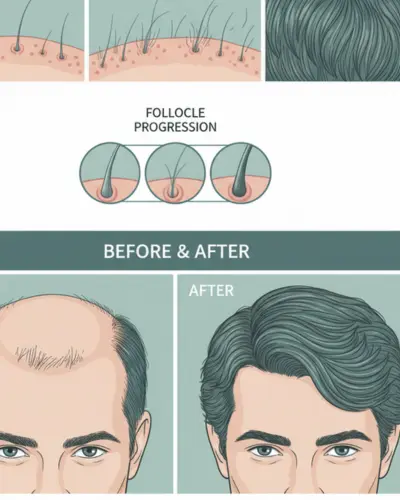
New growth usually starts around 3–4 months post-surgery, with full results visible in 9–12 months.
Yes, shedding is normal within the first few weeks. New hair begins to grow afterward.
It depends on your hair loss level, scalp condition, and desired density. A consultation will determine this.
The transplanted hair is permanent, but existing non-transplanted hair may continue to thin if not treated.
Absolutely. We carefully design the hairline and density to ensure a natural, age-appropriate result.

Pricing & Packages

How much does a hair transplant cost at Vagus?
Prices vary based on the number of grafts, technique used, and any additional therapies. Contact us for a custom quote.
Technique, number of grafts, surgeon experience, clinic location, and add-on treatments impact the cost.
Yes, DHI typically costs more due to specialized tools and precise implantation.
Yes, we offer flexible payment options to make your hair restoration journey affordable.
Yes, initial consultations (in-person or online) are completely free.
hair transplant cost
safety and technology

Safety & Technology

Are your procedures safe and certified?

Yes, all treatments are performed by qualified professionals using certified techniques under hygienic conditions.

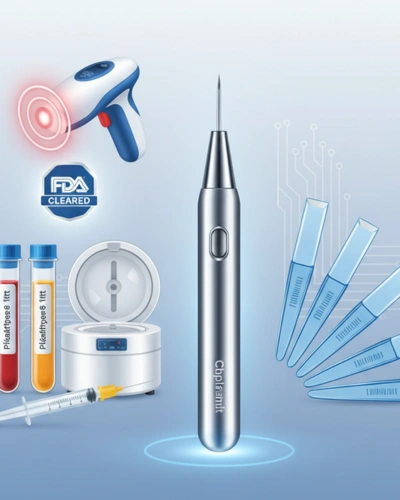
We use advanced tools like the Choi Implant Pen, Sapphire blades, PRP kits, and FDA-cleared laser devices.

Absolutely. All surgical tools are sterilized or single-use to ensure maximum hygiene.

Minor swelling, redness, or itching may occur, but serious complications are rare when the procedure is performed by professionals.

International Patients & Travel

Do you accommodate international clients?

Yes, we welcome patients from around the globe and offer full support throughout the journey.

Yes, our premium packages include airport transfers, hotel stay, and local assistance.

Of course. We offer secure video consultations to assess your case and plan your procedure.

Yes, our all-inclusive packages cover treatment, accommodation, transportation, and aftercare.

international patient and travel
contact us and booking

Booking & Contact

How can I book a consultation?
New growth usually starts around 3–4 months post-surgery, with full results visible in 9–12 months.
Yes, shedding is normal within the first few weeks. New hair begins to grow afterward.
It depends on your hair loss level, scalp condition, and desired density. A consultation will determine this.
The transplanted hair is permanent, but existing non-transplanted hair may continue to thin if not treated.

Maria

Typically replies within a day