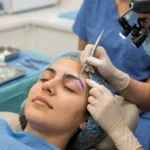
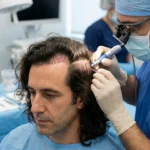
When considering an eyebrow transplant, the number of grafts required for a successful eyebrow transplant depends on various factors such as your desired eyebrow shape, hair density, skin type, and the donor area’s availability. Typically, a full eyebrow restoration requires between 200 and 400 grafts, but individual needs may vary.
Introduction to Eyebrow Transplants
An eyebrow transplant is a cosmetic procedure that involves transplanting hair follicles from a donor area, usually the scalp, to the eyebrow region. The goal is to restore natural-looking, fuller eyebrows. Eyebrow hair grafting has become increasingly popular among individuals who have sparse or missing eyebrows due to factors like genetics, over-plucking, or scarring.
Why Consider an Eyebrow Transplant?
Eyebrow transplants offer a long-term solution for those who desire thicker, more defined eyebrows. If you’ve struggled with thin eyebrows or if previous attempts with makeup or tattoos haven’t given you the desired results, an eyebrow transplant surgery could be the right choice. The procedure offers natural-looking results that blend seamlessly with your existing brow hair, providing an effortless and permanent solution.
How Many Grafts Are Needed for Eyebrow Transplant?
Typical Graft Numbers for Natural-Looking Eyebrows
Typically, most eyebrow hair grafting procedures require around 200 to 400 grafts. However, this number can vary depending on the factors mentioned earlier. The more dense or sculpted the eyebrows you desire, the higher the graft number will be.
How to Determine Your Graft Requirements
To determine how many grafts are needed for an eyebrow transplant, consult with a qualified eyebrow transplant surgeon. They will assess factors like your hair type, skin type, and the desired eyebrow shape. A consultation will give you a better idea of the total graft number and the overall cost of the procedure.
Factors That Influence the Number of Grafts
1. Individual Hair Density and Thickness
One of the primary factors in determining the number of grafts needed for an eyebrow transplant is the density and thickness of your natural hair. If your donor area (usually the scalp) has thinner hair, you may require more grafts to achieve the desired fullness in the eyebrow area. On the other hand, if the donor area has denser hair, fewer grafts may be required.
2. Desired Eyebrow Shape and Design
The shape and design of your eyebrows also influence the number of grafts. If you’re aiming for a fuller, more dramatic look, you’ll need more grafts. For a more natural and subtle look, fewer grafts may suffice. The procedure allows for precise design and customisation, ensuring that your eyebrow hair transplant suits your facial features and preferences.
3. Donor Area Availability
The availability and quality of the donor area can impact the graft number. The ideal donor hair is thick, healthy, and similar to the hair in the eyebrow area. A more limited donor area might require more careful planning to ensure an even and natural-looking result.
4. Age and Skin Type
Your age and skin type can also affect the number of grafts required. Younger individuals with more elastic skin may need fewer grafts compared to older individuals whose skin may not take the grafts as easily. Additionally, certain skin types may require more grafts to ensure proper growth and integration.
Eyebrow Transplant Procedure: A Step-by-Step Overview
1. The Harvesting Process
During the eyebrow transplant surgery, the surgeon will first remove hair follicles from your donor area. This area is typically located at the back of your head. The surgeon will use a technique called FUE (Follicular Unit Extraction) to extract individual follicles, which will then be prepared for implantation.
2. Implanting Grafts in the Eyebrow Area
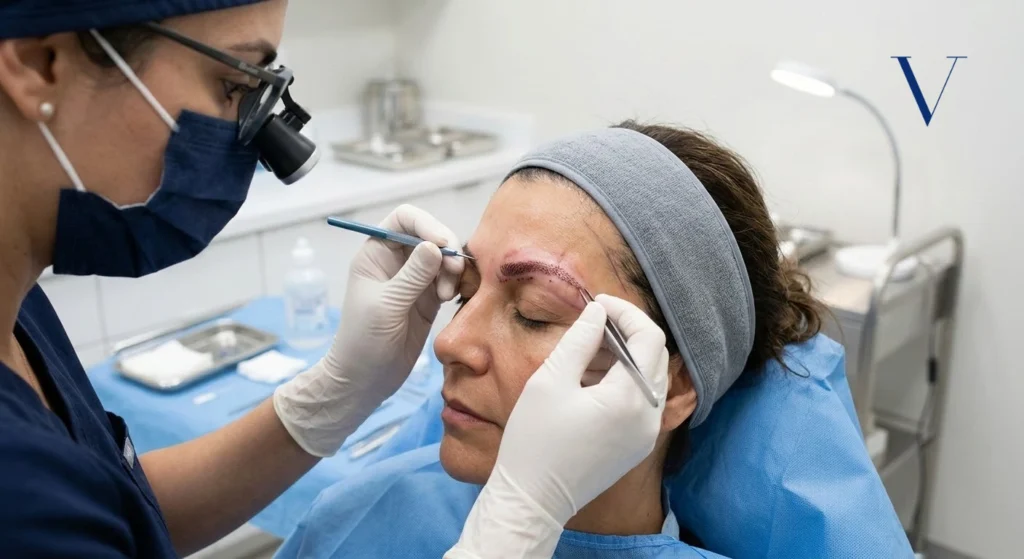
Once the hair follicles are prepared, they are carefully implanted into tiny incisions made in the eyebrow area. The placement of each graft is crucial for ensuring a natural look, with attention paid to the direction and angle of each hair.
3. Post-Procedure Expectations
After the procedure, it’s normal to experience swelling and slight discomfort. The newly implanted grafts may shed within the first few weeks, but they will begin to grow back within a few months, resulting in a fuller eyebrow look over time.
Eyebrow Transplant Results: What to Expect
Full results from an eyebrow hair transplant typically take between 6 and 12 months to fully appear. During this time, the transplanted hairs will grow at a natural pace, gradually filling in the eyebrow area.
The transplanted grafts are permanent and will integrate seamlessly with your natural eyebrow hairs. Over time, they will continue to grow like regular eyebrow hairs, giving you a natural, long-lasting look.
Recovery and Aftercare Tips
Managing Swelling and Discomfort
After the procedure, you may experience some swelling and mild discomfort. Over-the-counter pain medication can help manage this, and applying cold compresses can reduce swelling.
Post-Procedure Care for Optimal Graft Growth
To ensure proper growth of the grafts, follow your surgeon’s aftercare instructions. This includes avoiding touching or scratching the eyebrow area and using any prescribed ointments or shampoos to promote healing.
Cost of Eyebrow Transplant and Factors Affecting Pricing
Cost Per Graft vs. Total Procedure Cost
The eyebrow transplant cost can vary greatly depending on the number of grafts required and the clinic’s location. Generally, you can expect to pay anywhere from $3 to $8 per graft, with the total procedure cost ranging from $2,000 to $6,000.
Why Pricing Can Vary Between Clinics
Pricing can differ based on factors like clinic reputation, location, and the surgeon’s experience. It’s important to choose a reputable clinic that specialises in eyebrow grafting to ensure the best possible results.
Is an Eyebrow Transplant Right for You?
An eyebrow transplant may be suitable for you if you have sparse or thinning eyebrows that don’t respond to other treatments. Ideal candidates are individuals in good overall health with realistic expectations about the results.
If you’re not a candidate for an eyebrow transplant, or if you prefer a less invasive option, there are alternatives such as microblading or eyebrow tattoos. These methods can provide a temporary solution for enhancing your eyebrows without surgery.
Final Thoughts
In conclusion, the number of grafts required for an eyebrow transplant depends on various factors such as your desired eyebrow look, hair density, and donor area quality. Most procedures require between 200 and 400 grafts for a natural, fuller appearance. If you’re considering eyebrow hair restoration, consult with a qualified surgeon to determine your specific needs and achieve the best results.
Frequently Asked Questions
1. How many grafts are typically needed for an eyebrow transplant? Most eyebrow transplants require between 200 to 400 grafts, depending on your specific needs and desired results.
2. Is the eyebrow transplant process painful? The procedure is generally not painful, as local anaesthesia is used. Some discomfort may occur post-surgery, but this is usually manageable with medication.
3. How long does it take to recover from an eyebrow transplant? The initial recovery period takes about 1 to 2 weeks, but it may take 6 to 12 months for the full results to appear.
4. What factors affect the number of grafts needed? Factors such as desired eyebrow shape, hair density, skin type, and the quality of your donor area can all influence the number of grafts needed.
5. How much does an eyebrow transplant cost? The cost typically ranges from $2,000 to $6,000, depending on the number of grafts needed and the clinic you choose.