Hair Transplant in Islamabad for Receding Hairline
The Complete Expert Guide
Discover permanent solutions for receding hairlines with hair transplant in Islamabad, Pakistan. Our comprehensive guide covers FUT, FUE, and DHI procedures, costs in PKR, detailed recovery timelines, success rates, and everything you need to know about hair restoration in Islamabad.
Why Choose Hair Transplant in Islamabad, Pakistan?
Islamabad has emerged as a premier destination for hair transplant procedures in Pakistan, renowned for its world-class facilities, highly trained surgeons, and exceptional value for money. Hair loss affecting millions of Pakistani men, particularly receding hairlines, can now be permanently resolved through advanced hair transplant procedures available in Islamabad. The capital city has established itself as a hub for medical tourism, attracting patients not only from across Pakistan but also from neighbouring countries seeking high-quality hair restoration treatments.
The success of hair transplant clinics in Islamabad lies in their combination of international surgical expertise, cutting-edge technology, and competitive pricing. Many surgeons practising in Islamabad have received training from renowned international institutions, bringing global best practices to local patients. Whether you’re seeking hair transplant treatment from Rawalpindi, Lahore, Karachi, Peshawar, or any other part of Pakistan, Islamabad offers convenient access to premium hair transplant services with personalised treatment plans tailored to your specific hair loss pattern and restoration goals.
Advantages of Hair Transplant in Islamabad
- Affordable costs: Hair transplant prices in Islamabad are 40-60% lower than in Western countries (USA, UK, Canada) while maintaining the same quality standards. What costs $15,000-$25,000 in the USA typically costs PKR 200,000-800,000 in Islamabad.
- Experienced surgeons: Many Islamabad hair specialists have international training in Turkey, India, and Western countries, with 10-20+ years of experience in hair restoration and thousands of successful procedures.
- Modern facilities: Leading hair transplant clinics in Islamabad use state-of-the-art equipment, including microscopes for graft extraction, advanced follicle extraction devices, and sterile surgical environments following international standards.
- Personalised care: Hair transplant clinics in Islamabad provide comprehensive one-on-one consultations, detailed scalp analysis, custom hairline design, and individualised treatment plans based on your hair type, loss pattern, and aesthetic goals.
- No travel complications: Islamabad’s central location makes it easily accessible from all major Pakistani cities. No international travel expenses, visa complications, or language barriers when seeking hair transplant treatment locally.

Hair Transplant in Islamabad for Receding Hairline
What is a Receding Hairline? Complete Explanation
A receding hairline occurs when hair gradually withdraws from the front hairline and temples of the scalp, creating an increasingly visible hairline recession. This condition affects approximately 50% of men by age 50, with even higher prevalence in Pakistani male populations. The primary cause is male pattern baldness (androgenetic alopecia), a genetic condition where hair follicles become increasingly sensitive to DHT (dihydrotestosterone), a hormone derived from testosterone.
Receding hairlines typically progress through predictable stages. In the early stages (Norwood Scale 1-2), you may notice increased daily hair loss (50-100 hairs daily), a slightly elevated hairline, or increased visibility of the temples. As the condition progresses (Norwood Scale 3-4), the recession deepens significantly, creating a distinctive M-shaped or widow’s peak appearance. Advanced stages (Norwood 5-6) involve extensive hair loss on the crown and front scalp, sometimes leaving only a horseshoe-shaped band of hair on the back and sides.
For many men in Pakistan, a receding hairline significantly impacts self-confidence, social interactions, and quality of life. Men often report feeling older, less attractive, or less professional due to visible hair loss. This psychological impact has made hair restoration solutions like those available at hair transplant clinics in Islamabad increasingly popular among Pakistani men seeking permanent solutions.
The Science Behind Hair Transplants for Receding Hairlines
Hair transplants are the only clinically proven permanent solution for receding hairlines, based on a fundamental biological principle: donor hair from the back and sides of the scalp is genetically programmed to be resistant to DHT and remains that way even after transplantation. This concept, known as “follicular unit transplantation,” was developed in the 1990s and revolutionised hair restoration.
When follicles from these DHT-resistant donor areas are carefully extracted and implanted into recipient sites on the receding hairline at a hair transplant clinic in Islamabad, they retain their original genetic characteristics. The transplanted hair continues growing indefinitely in the new location, never reverting to the hair loss pattern of the recipient site. This explains why hair transplants provide permanent results; the transplanted follicles maintain their genetic code.
The success of hair transplants for receding hairlines depends on understanding the hair growth cycle and applying surgical precision. The hair growth cycle consists of three phases: anagen (active growth, 2-6 years), catagen (transitional, 2-3 weeks), and telogen (resting, 2-3 months). A qualified hair transplant surgeon in Islamabad carefully extracts individual hair follicles during their anagen phase and implants them into recipient sites on the receding hairline. When performed correctly, hair transplant success rates for treating receding hairlines reach 90-95%, with transplanted hair growing naturally and permanently in the new location.
Hair Transplant vs Other Receding Hairline Treatments in Pakistan
While medications like minoxidil (Rogaine) and finasteride (Propecia) are available throughout Pakistan and can slow hair loss, they do not restore permanently lost hair. Studies show that approximately 40-50% of men using these medications maintain their existing hair for 5 years, but do not regrow lost hair. Hair transplant in Islamabad is the only scientifically proven permanent solution for receding hairline treatment that actually restores hair to areas that have lost it.
Minoxidil works by stimulating blood flow to hair follicles and prolonging the anagen phase, but this effect stops when the medication is discontinued. Finasteride blocks DHT conversion by inhibiting 5-alpha reductase enzyme, slowing hair loss but requiring lifelong use. Both medications can cost PKR 3,000-5,000 monthly in Pakistan, amounting to PKR 36,000-60,000 annually with no permanent results.
In comparison, a hair transplant in Islamabad (PKR 200,000-1,000,000 depending on technique and graft count) provides permanent, lifetime results without ongoing medication costs or daily compliance requirements. A single hair transplant procedure often costs less than 15-20 years of medication usage and provides significantly superior aesthetic results.
Why Hair Transplants Matter: The Impact of Receding Hairline Solutions
Hair transplants for receding hairlines offer far more than cosmetic improvement. Research demonstrates that treating visible hair loss has significant psychological and social benefits for patients. Understanding why hair transplants matter helps you appreciate the value of seeking treatment at a hair transplant clinic in Islamabad.
Permanent Hair Restoration
Transplanted follicles are genetically resistant to DHT and grow permanently in their new location. Unlike medications that require lifelong use, hair transplant results last your entire lifetime, a true permanent solution.
Natural-Looking Results
Modern hair transplant techniques used in Islamabad create hairlines that blend seamlessly with existing hair. Results appear completely natural; no one will know you’ve had a procedure.
Restored Confidence & Self-Esteem
Reclaiming your hairline often results in significant psychological improvements. Patients report enhanced self-confidence, improved social interactions, better performance in professional settings, and overall improved quality of life.
One-Time Permanent Solution
Hair transplants offer a one-time procedure with lasting results, eliminating ongoing medication costs, daily pills/applications, and compliance requirements associated with medical treatments.
Improved Professional Appearance
Studies show that full hair is associated with perceptions of youth, health, and professionalism. A restored hairline can enhance career opportunities, dating prospects, and social dynamics.
Custom Hairline Design
Hair transplant surgeons in Islamabad can design your new hairline considering your facial structure, age, hair characteristics, and aesthetic preferences, creating your ideal hairline.
Hair Transplant Procedures Available in Islamabad: FUT vs FUE vs DHI
Three main hair transplant techniques are available at clinics in Islamabad: FUT (Follicular Unit Transplant), FUE (Follicular Unit Extraction), and DHI (Direct Hair Implantation). Each technique has distinct advantages, disadvantages, costs, and recovery profiles. Understanding these procedures helps you choose the best option for your specific needs.
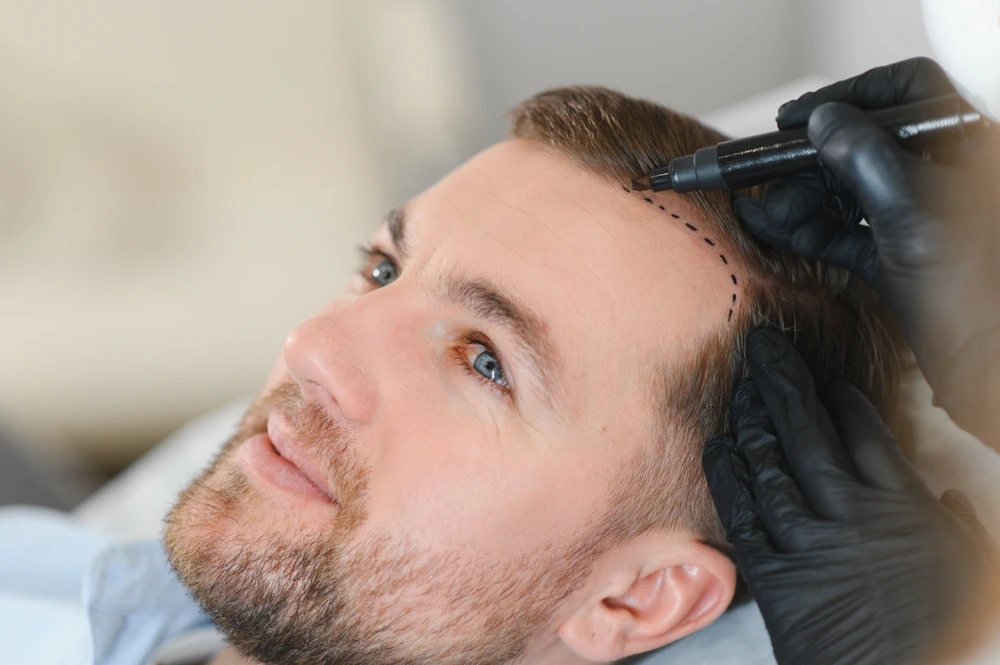
FUT Hair Transplant in Islamabad (Follicular Unit Transplant)
Also called strip harvesting or strip method, FUT involves removing a thin 1-2mm strip of hair-bearing scalp from the donor area (typically the back of the head where hair is permanent and DHT-resistant). This strip is then dissected under magnification into individual follicular units containing 1-4 hairs each. These units are then implanted into carefully created recipient sites on the receding hairline. FUT remains popular at Islamabad clinics due to its cost-effectiveness for extensive hair loss cases requiring 2000+ grafts.
Grafts Per Session
1,500-3,500
Recovery Time
2-3 weeks
Hospital Stay
Day procedure
Procedure Duration
4-8 hours
Cost in Islamabad
PKR 200,000-600,000
Return to Work
7-10 days
Advantages:
• Highest graft yield per session (most cost-effective per graft)
• Most affordable hair transplant option in Islamabad
• Ideal for extensive hair loss requiring many grafts
• Faster procedure time than FUE or DHI
• Can harvest thousands of grafts in single session
Disadvantages:
• Linear scar on the back of the scalp (visible if hair is very short)
• Longer recovery period than FUE
• More post-operative discomfort initially
• Requires longer hair to conceal donor scar
• Higher risk of shock loss compared to other methods
FUE Hair Transplant in Islamabad (Follicular Unit Extraction)
FUE is a minimally invasive technique in which individual hair follicles are extracted directly from the donor area using specialised micro-punches (typically 0.8-1.0mm in diameter). Each follicle is extracted individually and then implanted into carefully designed recipient sites on the receding hairline. FUE is increasingly popular among Islamabad patients who prefer minimal scarring, a faster recovery, and the ability to wear short hairstyles immediately after the procedure. The procedure requires more technical expertise and time than FUT.
Grafts Per Session
1,000-2,500
Recovery Time
7-14 days
Hospital Stay
Day procedure
Procedure Duration
6-10 hours
Cost in Islamabad
PKR 300,000-900,000
Return to Work
3-5 days

Advantages:
• No linear scar, only tiny dot scars invisible to the naked eye
• Can wear short haircuts immediately (no scar concealment needed)
• Faster return to normal activities and exercise
• Less post-operative pain than FUT
• Ideal for patients who prefer short hair
Disadvantages:
• Higher cost per graft than FUT (PKR 150-300 per graft vs PKR 100-200 for FUT)
• Lower graft yield per session (fewer grafts possible in one day)
• Requires a highly experienced surgeon (learning curve affects results)
• Longer procedure time increases fatigue
• May require multiple sessions for extensive hair loss

DHI Hair Transplant in Islamabad (Direct Hair Implantation)
DHI is an advanced FUE variant using a specialised implantation tool called a Choi pen for direct implantation. This cutting-edge technique, available in select premium Islamabad clinics, allows individual follicles to be extracted and immediately implanted without creating separate recipient sites beforehand. The Choi pen allows surgeons to control depth (1-4mm), angle (30-45 degrees), and direction of implantation with extreme precision. DHI produces the most natural-looking hairlines and highest patient satisfaction rates.
Grafts Per Session
1,000-3,000
Recovery Time
5-10 days
Hospital Stay
Day procedure
Procedure Duration
8-12 hours
Cost in Islamabad
PKR 400,000-1,200,000
Return to Work
3-5 days
Advantages:
• Most precise technique available for hairline design
• Best results for natural-looking hairlines and density
• Minimal graft transection (cutting/damage during extraction)
• Can control hair direction and angle for maximum naturalness
• Shortest healing time between procedures
• Highest patient satisfaction rates
Disadvantages:
• Most expensive hair transplant option in Islamabad
• Longest procedure time (8-12 hours can be tiring)
• Requires highly specialized and experienced surgeon
• Limited graft yield per session despite longer procedure
• Expensive equipment and specialized training increase costs
Complete Hair Transplant Recovery Timeline in Islamabad
Understanding the recovery timeline helps you prepare mentally and physically for your hair transplant in Islamabad. Recovery involves predictable phases, and knowing what to expect reduces anxiety and improves compliance with post-operative instructions.
Days 1-3: Immediate Post-Operation Phase
Expect significant redness, mild to moderate swelling, and tenderness in both donor and recipient areas. Bandages may cover the treated area. Mild pain is completely normal and manageable with prescribed pain medication. You should rest at home and avoid any strenuous activities. The transplanted grafts are most vulnerable during this phase, so avoid touching or disturbing them. Some patients experience light bleeding from the recipient sites; this is normal. Take prescribed antibiotics and pain medication as directed.
Days 4-10: Scab Formation & Increased Itching
Small protective scabs form around each transplanted graft; this is completely normal and indicates proper healing. Itching intensifies as healing progresses, which can be the most uncomfortable aspect of recovery. Do not scratch or pick at scabs, as this can dislodge grafts and compromise results. Use prescribed antihistamine creams if needed. Redness and swelling begin to gradually reduce. You can resume light activities, but continue avoiding excessive sweating and direct sunlight. By day 10, most people feel comfortable enough to venture outside with a hat.
Weeks 2-4: Scab Shedding & Initial Hair Stabilization
Scabs naturally shed as the scalp heals. Do not force or aggressively pick at scabs, as this may dislodge fragile grafts still establishing a blood supply. Most of the transplanted hair enters the shedding phase (telogen effluvium) during weeks 2-4, which is completely expected and normal. Do not be discouraged by initial hair loss; this is part of the natural growth cycle. You can return to most normal activities, including work and light exercise, but avoid direct scalp contact (no helmet sports, hat friction). Hair can be gently washed starting day 10-14 using the prescribed gentle shampoo.
Months 2-3: Major Hair Shedding Phase (Telogen Effluvium)
Nearly all transplanted hair sheds during this phase, sometimes up to 80-90% of visible transplanted hair falls out. This is the most psychologically difficult phase, as the scalp appears mostly normal or even bare. This temporary hair loss is completely expected and part of the natural hair growth cycle. The follicles themselves remain intact beneath the scalp surface and are preparing for new growth. Hair follicles are entering the anagen (growth) phase preparation. Continue using prescribed serums and topical medications. By month 3, shedding decreases significantly as the new growth phase begins.
Months 4-6: New Hair Growth Begins & Visible Improvement
New hair begins growing from transplanted follicles, initially appearing thin and weak. By 4-6 months, approximately 60% of the final hair growth becomes visible. The hairline starts appearing fuller and noticeably improved as new hair establishes itself in the recipient area. Hair diameter gradually increases as follicles stabilise. Most people can see dramatic differences by month 6. Continue using prescribed minoxidil or other growth-supporting medications as recommended. Hair can now be styled normally and appears increasingly natural.
Months 9-12: Full Results, Maturation & Permanent Hair
By 12 months, approximately 80-100% of the final results are visible. Hair thickens significantly, strengthens, and reaches its normal mature diameter. The hairline appears completely natural and blended seamlessly with existing hair. Most patients experience the dramatic transformation they envisioned when they decided to have their hair transplant in Islamabad. Hair colour and texture match the surrounding hair perfectly. By month 12-18, all growth is complete and results are permanent. Hair will continue growing naturally for the rest of your life.
Hair Transplant Success Rates & What to Expect
Expected Success Rates for Hair Transplant in Islamabad
90-95%
Graft Survival Rate
Hair follicles that successfully establish blood supply
85-90%
Hair Growth Rate
Transplanted follicles that produce hair
100%
Permanent Results
Hair remains for a lifetime
Factors Influencing Hair Transplant Success in Islamabad
1. Surgeon Experience & Expertise
Highly trained surgeons with 10-20+ years of specialised hair restoration experience achieve superior results with higher graft survival rates and more natural-looking hairlines. Choose surgeons trained internationally.
2. Quality of Donor Hair
Strong, healthy donor hair with excellent thickness and texture directly translates to better transplant results and superior hair quality. Genetic hair characteristics determine outcomes.
3. Strict Aftercare Compliance
Following post-operative instructions from your Islamabad clinic strictly ensures optimal graft integration and maximises transplant success rates. Compliance is critical in weeks 1-4.
4. Adequate Number of Grafts
Having sufficient grafts to achieve the desired density and coverage directly impacts visible results, naturalness, and patient satisfaction with the outcome.
5. Your Hair Type & Genetics
Hair thickness, colour, texture, and growth pattern influence how visible transplanted hair appears and determine how many grafts are needed for desired coverage.
Hair Transplant Cost in Islamabad Pakistan
Hair transplant costs in Islamabad are significantly more affordable than international options while maintaining high quality standards and excellent results. Costs vary based on the procedure type, number of grafts needed, surgeon expertise, clinic facilities, and additional services included. Understanding the pricing structure helps you make an informed financial decision for this permanent investment in your appearance.
Why Hair Transplant in Islamabad is Cost-Effective
- 40-60% lower costs compared to the USA ($15,000-25,000), the UK (£8,000-15,000), and Dubai clinics
- No international travel expenses, visa costs, or accommodation for local Pakistan residents
- World-class results matching international standards at Pakistani prices
- Professional follow-up care and ongoing support without travel complications
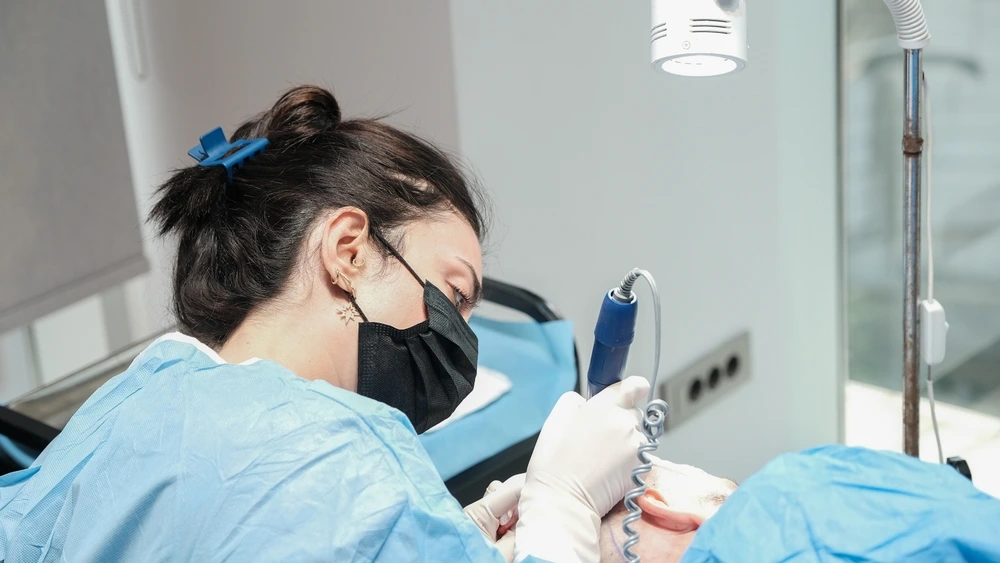
Hair Transplant Pricing by Procedure Type in Islamabad
FUT Hair Transplant
Strip harvesting method – Most affordable option
Cost per graft: PKR 100-200
PKR 200,000-600,000
FUE Hair Transplant
Individual follicle extraction – Mid-range option
Cost per graft: PKR 150-300
PKR 300,000-900,000
DHI Hair Transplant
Advanced direct implantation – Premium option
Cost per graft: PKR 200-400
PKR 400,000-1,200,000
Cost Calculation Example: For a typical receding hairline case requiring 2000 grafts: FUT would cost PKR 200,000-400,000; FUE would cost PKR 300,000-600,000; DHI would cost PKR 400,000-800,000. These prices typically include consultation, procedure, follow-up care, and post-operative medications.
What’s Usually Included in Hair Transplant Cost:
• Initial consultation and scalp analysis
• Hairline design and planning
• Surgical procedure (4-12 hours)
• Local anaesthesia and medications
• Post-operative check-ups (typically 1-3 visits)
• Prescribed serums, antibiotics, and topical medications
• Ongoing support and advice for 1-2 years
Preparing for Your Hair Transplant in Islamabad
Pre-Operative Requirements: 2-4 Weeks Before Surgery
- Discontinue blood-thinning medications and supplements
Stop aspirin, ibuprofen, naproxen, vitamin E supplements, and fish oil supplements at least 1 week before surgery to reduce bleeding during the procedure. Consult with your Islamabad surgeon about any regularly taken medications, including blood pressure medications.
- Avoid alcohol and smoking completely
Alcohol thins the blood and impairs the healing response. Smoking restricts blood flow to the scalp, reducing oxygen to transplanted grafts. Avoid both substances for at least 1 week before and 2-4 weeks after surgery for optimal results.
- Get adequate rest the night before surgery
Ensure 7-9 hours of quality sleep the night before your procedure. Well-rested patients recover better, experience fewer complications, and have faster healing.
- Maintain excellent scalp hygiene
Wash your hair the night before surgery with a mild shampoo to remove dirt and reduce bacteria. Keep the scalp clean, but do not use harsh products or aggressive scrubbing.
- Wear comfortable, loose-fitting clothing
Choose loose clothes that do not pull over your head. Button-up shirts are ideal for easy dressing after surgery without disturbing bandages or grafts.
- Arrange transportation and post-operative care
Arrange for someone to drive you home after surgery. Do not drive yourself, as you may be fatigued from anaesthesia. Have someone available to assist you for the first few days if possible.
Day of Surgery: What to Expect at Your Islamabad Clinic
• Arrive early (typically 7-8 AM) for check-in and final blood pressure/health assessments
• Meet your surgical team, including the surgeon and nursing staff; ask final questions
• Photos are taken for before/after documentation
• Local anaesthesia is injected into both donor and recipient areas
• Procedure lasts 4-12 hours, depending on graft count and technique
• You remain awake throughout the procedure but feel no pain, only pressure sensations
• Breaks are provided for rest and light snacks
• After completion, bandages are applied and post-operative instructions given
Post-Operative Care After Hair Transplant in Islamabad
Critical Do's for Successful Hair Transplant Recovery
- Apply prescribed medications exactly as directed by your surgeon
Use antibiotic ointments and any prescribed topical solutions exactly as instructed by your Islamabad surgeon. Consistency is critical for preventing infection and promoting healing.
- Sleep with your head elevated for the first week
Use 3-4 pillows to keep your head elevated for the first 5-7 nights to minimise swelling and reduce pressure on grafts. Elevation prevents fluid accumulation.
- Stay hydrated and consume nutritious, protein-rich foods
Drink 2-3 litres of water daily and eat foods rich in protein, vitamins, and minerals to support healing and follicle development. Proper nutrition accelerates recovery.
- Attend all follow-up appointments at your Islamabad clinic
Post-operative check-ups (typically at days 5, 10, and 30) ensure proper healing and allow your surgeon to address any concerns immediately.
- Use prescribed scalp care products and growth serums
Use gentle shampoos and prescribed serums designed for post-transplant scalp care to support healing and early hair growth.
Critical Do's for Successful Hair Transplant Recovery
Avoid Direct Scalp Contact
Do not touch, rub, scratch, or pick at grafts during the first 3-4 weeks. Even gentle contact can dislodge fragile grafts and compromise results permanently.
Avoid Strenuous Activity & Exercise
No heavy lifting, intense workouts, or contact sports for 3-4 weeks. Elevated heart rate and sweating can compromise graft integration and cause bleeding.
Avoid Direct Sunlight
Protect your scalp from direct UV exposure for at least 4-6 weeks. Use hats or approved sunscreen only after receiving surgeon clearance.
Avoid Swimming & Water Immersion
Do not submerge your scalp in pools, hot tubs, saunas, or baths for 2-3 weeks. Chlorine, bacteria, and hot water can infect transplanted grafts.
Avoid Alcohol & Smoking
Continue avoiding alcohol for 2-4 weeks and smoking for at least 4 weeks. Both impair healing and reduce graft survival rates.
Avoid Hair Products & Styling
Do not use gel, wax, spray, or other hair products for at least 4 weeks. Do not comb or brush the recipient area aggressively.
Ready to Restore Your Hairline in Islamabad?
Take the first step toward permanent hair restoration with a free, confidential consultation at a leading hair transplant clinic in Islamabad. Our specialists will evaluate your hair loss, discuss your goals, and recommend the perfect procedure for your needs.