Platelet-rich plasma (PRP) therapy is a groundbreaking treatment that uses your body’s natural healing properties to stimulate cell regeneration. By concentrating platelets from your blood, PRP works to accelerate healing, improve hair growth, and rejuvenate skin. This blog will explore the science behind PRP, how it works in the body, and what to expect from the treatment process.
Introduction
How does PRP work? PRP therapy is a natural treatment method that uses your body’s own blood to promote healing and regeneration. By concentrating platelets from your blood, PRP is able to harness your body’s inherent ability to heal and rejuvenate itself. Whether you’re looking to enhance hair growth, repair tissue, or improve your skin’s appearance, PRP works by stimulating healing processes at a cellular level.
In this article, we’ll dive deep into the PRP therapy process, explaining how Platelet-rich plasma treatment works and its wide range of applications, from healing injuries to stimulating PRP for hair growth and skin rejuvenation.
Related; Does PRP work for Hair Loss?
The Science Behind Platelet-Rich Plasma
What is PRP and How is it Prepared?
PRP is a concentrated component of your blood, specifically rich in platelets. These platelets play a crucial role in healing and tissue regeneration. The process involves drawing a small amount of blood, which is then processed in a centrifuge to separate the platelet-rich plasma from the rest of the blood components.
Step-by-Step Process: How PRP is Extracted from Your Blood
- Blood Collection: A healthcare professional draws a small amount of your blood, usually around 10-30 mL.
- Centrifugation: The blood is placed into a centrifuge to spin at high speeds, separating the plasma, red blood cells, and platelets.
- Platelet Concentration: The PRP, which contains a higher concentration of platelets than normal blood, is extracted for use in treatment.
Understanding Platelets and Their Role in Healing
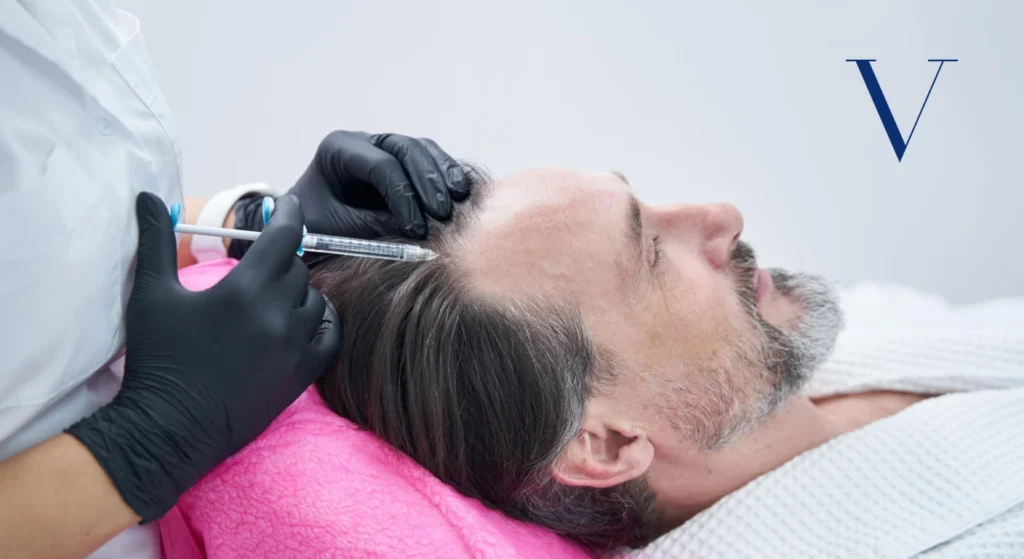
Platelets are crucial for the healing process. They contain growth factors that help repair tissue and promote cell regeneration. When injected into an injured or thinning area (like the scalp for hair restoration), PRP injections stimulate tissue repair and cell regeneration, promoting faster healing and encouraging the growth of healthy tissue.
How Does PRP Work in the Body?
PRP works by stimulating the body’s natural repair processes. After being injected into a targeted area, PRP triggers the release of growth factors and stimulates platelet function in PRP, promoting tissue healing and regeneration.
The Mechanism of Action: Stimulating Healing and Regeneration
Once the PRP is injected into the targeted area, it promotes cellular regeneration by increasing the blood supply and stimulating the growth of collagen and elastin fibers, leading to skin rejuvenation, enhanced hair growth, and faster tissue healing.
Why PRP is Effective for Tissue Repair and Cell Growth
The high concentration of growth factors in PRP aids in healing by boosting cell proliferation, collagen formation, and new tissue growth. This makes it particularly effective for:
- Hair restoration: Stimulates dormant hair follicles to produce new hair.
- Skin rejuvenation: Encourages collagen production, reducing wrinkles and improving skin texture.
- Injury recovery: Speeds up the repair of tendons, muscles, and ligaments.
How PRP Stimulates Collagen Production and Hair Growth
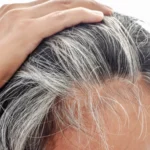
In the case of hair restoration, PRP stimulates the hair follicles by encouraging blood flow to the scalp, promoting the growth of new hair cells. The PRP for hair growth process can lead to thicker, fuller hair after several sessions, especially in individuals with thinning hair or male/female pattern baldness.
Key Benefits of PRP Therapy
PRP therapy has a range of benefits, especially in the fields of hair restoration, skin rejuvenation, and injury recovery. Let’s take a closer look at these benefits.
Hair Restoration: How PRP Helps Treat Hair Loss
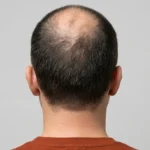
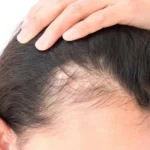
PRP injections are particularly beneficial for individuals experiencing hair loss due to conditions like androgenetic alopecia (pattern baldness). By stimulating hair follicles, PRP works helps restore hair growth over time.
Skin Rejuvenation: Boosting Skin Health and Reducing Wrinkles
PRP works to rejuvenate the skin by increasing collagen production, which helps smooth out wrinkles and improve skin texture. It can be used for treating fine lines, acne scars, and general skin aging.
Injury Recovery: Accelerating Healing of Tendons, Muscles, and Ligaments
PRP has been used extensively in sports medicine to accelerate recovery from injuries such as ligament tears, tendon injuries, and muscle strains. It helps reduce inflammation and speeds up the healing process.
Related; How Many PRP Treatments Are Needed For Hair
What Conditions Can PRP Help Treat?
PRP is versatile and can treat various conditions, including:
- Hair Loss (Alopecia): Stimulates hair growth by regenerating hair follicles.
- Joint Pain and Arthritis: Eases pain and accelerates healing of joints and tissues.
- Tendon Injuries and Sports Recovery: Speeds up the healing of torn tendons and other sports injuries.
- Skin Aging and Scarring: Improves skin texture and reduces scarring.
Is PRP Safe? Potential Risks and Side Effects
Common Side Effects
PRP is considered a safe procedure with minimal risks, as it uses your own blood, reducing the risk of rejection or allergic reactions. Common side effects include:
- Mild pain or swelling at the injection site
- Bruising
- Redness or itching
How Safe is PRP Therapy?
Since PRP uses your own blood, the risk of complications is minimal. However, it’s essential to undergo the procedure under the supervision of a qualified healthcare provider.
How Effective is PRP?
Research has shown that PRP therapy can be highly effective for promoting healing and regeneration. Success rates vary depending on the condition treated, but many patients experience significant improvements in hair growth, skin texture, and injury recovery.
Success Rates in Different Applications
- Hair Restoration: PRP can be effective for treating hair loss, with many patients seeing visible results after 3-6 months of treatment.
- Skin Rejuvenation: PRP treatments can improve skin elasticity and texture, with results visible after several sessions.
- Injury Recovery: PRP can significantly speed up recovery from musculoskeletal injuries.
Who is a Good Candidate for PRP Treatment?
PRP is ideal for individuals seeking non-surgical options for hair restoration, skin rejuvenation, and injury recovery. The following groups may benefit from PRP therapy:
- Individuals with early-stage hair thinning or male/female pattern baldness.
- People with skin aging, signs as wrinkles, fine lines, or scars.
- Athletes or individuals recovering from sports injuries.
What to Expect During a PRP Session
The PRP Injection Process: What Happens During the Treatment
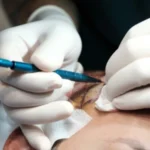
A PRP session typically lasts between 30 to 60 minutes. After the blood is drawn, the PRP is prepared, and injections are administered directly into the targeted area.
Aftercare Tips: How to Maximize Results
To maximize the effectiveness of PRP, it’s essential to follow proper aftercare guidelines, such as avoiding strenuous activities and keeping the treated area clean and moisturized.
Final Thoughts
PRP therapy offers a practical, natural solution for various cosmetic and medical issues. Whether you’re looking to treat hair loss, rejuvenate your skin, or speed up injury recovery, PRP is a safe and proven treatment. Consult with a medical professional to determine if PRP work is right for your specific needs.
Frequently Asked Questions
1: How long do PRP results last?
PRP results can last for several months, and many people undergo maintenance treatments every 6-12 months.
2: How many PRP treatments are needed?
For hair restoration, 3-4 sessions spaced about 4-6 weeks apart are typical. For skin rejuvenation or injury recovery, 1-3 sessions may be sufficient.
3: Is PRP painful?
PRP injections are generally well-tolerated, but some discomfort may occur. A local anesthetic can be used to reduce pain during the procedure.
4: Can PRP be used for other conditions?
Yes, PRP can be used for a variety of conditions, such as joint pain, tendon injuries, and skin concerns like scarring or acne.