A receding hairline is a common concern, but there are effective treatments that can help. From over-the-counter solutions like Minoxidil to advanced procedures such as PRP therapy and hair transplants, understanding the available options is crucial for anyone looking to restore their hairline. In this article, we’ll explore the top treatments for a receding hairline, discuss what causes it, and highlight the best ways to prevent it. Whether you’re looking for a temporary fix or a permanent solution, this guide will help you make an informed decision.
What Causes a Receding Hairline?
A receding hairline can be distressing, but the good news is that there are effective ways to fix it. If you’ve been asking, “How to fix a receding hairline?”, you’re in the right place. Whether caused by genetics, hormonal changes, or lifestyle factors, a receding hairline can be managed with the right treatment. In this article, we’ll cover the top treatments that actually work, from Minoxidil to PRP therapy and hair transplants, providing you with the knowledge to make an informed decision. By the end, you’ll have a clear understanding of how to restore your hairline and prevent further recession, helping you regain your confidence with proven solutions.
Before exploring treatments, it’s essential to understand the causes of a receding hairline. The main factors include:
Genetics
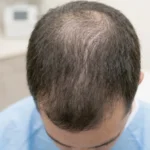
If you have a family history of hair loss, you are more likely to experience a receding hairline due to inherited genetic traits. Conditions such as androgenetic alopecia are passed down through family genes and affect how sensitive your hair follicles are to hormones like DHT (dihydrotestosterone). This sensitivity causes hair follicles to gradually shrink over time, leading to thinner hair and a receding hairline, often following a predictable pattern.
Hormonal Changes
Hormonal shifts play a significant role in hair health. During puberty, fluctuations in hormones can temporarily affect hair growth, while aging often leads to long-term changes in hormone levels. In men, increased sensitivity to DHT can speed up hairline recession, whereas in women, hormonal changes during pregnancy, menopause, or due to hormonal disorders can result in thinning hair around the hairline.
Stress and Lifestyle Factors
High levels of physical or emotional stress can disrupt the normal hair growth cycle, pushing more hair into the shedding phase (a condition known as telogen effluvium). Poor lifestyle habits, such as inadequate sleep, smoking, lack of exercise, and a diet low in essential nutrients like protein, iron, and vitamins, can weaken hair follicles. Over time, these factors may accelerate hair thinning and make a receding hairline more noticeable.
Medical Conditions
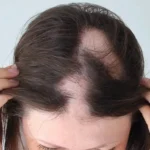
Certain medical conditions can directly or indirectly cause hairline recession. Thyroid disorders, for example, interfere with hormone regulation that supports healthy hair growth. Autoimmune conditions like alopecia areata cause the immune system to attack hair follicles, leading to patchy or widespread hair loss. Other factors, such as scalp infections, nutritional deficiencies, or side effects from medications, can also contribute to changes in the hairline.
How to Fix a Receding Hairline: Best Treatments
Minoxidil for Receding Hairline
Minoxidil is a widely used over-the-counter treatment for hair loss. It works by stimulating hair follicles and increasing blood circulation to the scalp. It’s a popular choice for those dealing with receding hairlines, both in men and women.
| Pros | Cons |
| Easily available without a prescription | Results may vary from person to person |
| Convenient to use | Continuous use is required for maintaining results |
| Can stimulate hair regrowth in some individuals |
PRP Therapy for Hairline Growth
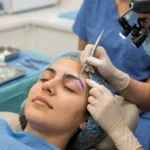
Platelet-Rich Plasma (PRP) Therapy involves drawing blood from your body, processing it to separate the plasma, and injecting it into your scalp. This therapy uses your body’s natural growth factors to stimulate hair growth.
| Pros | Cons |
| Non-surgical and minimally invasive | Requires multiple sessions for optimal results |
| Natural treatment with little to no side effects | Results take time to become noticeable |
| Can improve hair density and growth |
Hair Transplant for Receding Hairline
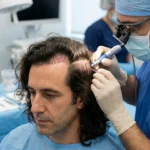
A hair transplant is one of the most effective long-term solutions for a receding hairline. This surgical procedure involves moving hair follicles from areas of your scalp with dense hair to the receding areas. Techniques such as FUE (Follicular Unit Extraction) and FUT (Follicular Unit Transplantation) are commonly used.
| Pros | Cons |
| Permanent results | Expensive |
| Natural-looking hairline restoration | Recovery time is required |
Preventing a Receding Hairline
Hairline Thinning Solutions
Preventing further recession is key to managing a receding hairline. Keeping your scalp healthy with a balanced diet, reducing stress, and avoiding hair-damaging chemicals can slow down the process.
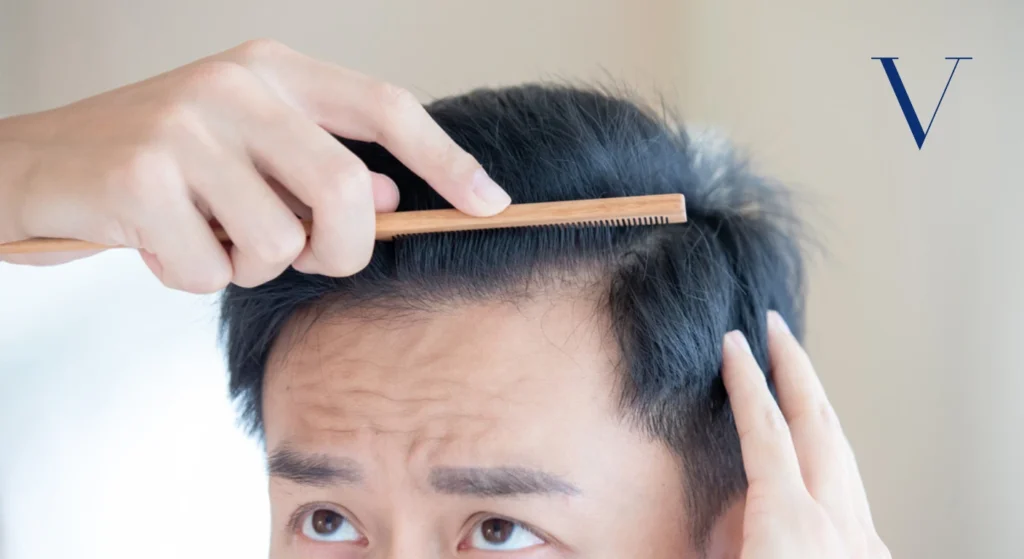
Avoid Tight Hairstyles
Tight hairstyles such as braids and ponytails can damage the hairline. Opt for looser styles to prevent traction alopecia and hair breakage.
Treatments Available in Islamabad
If you’re looking for professional help in Islamabad, you have several options for receding hairline treatments. Leading clinics like Vagus Hair Transplant specialize in offering comprehensive hair restoration treatments. Whether you’re interested in Minoxidil or PRP therapy for hairline growth, or you want to explore hair transplant services in Islamabad, these clinics provide personalized care based on your specific needs.
Best Hair Transplant Clinic in Islamabad
For individuals seeking a permanent solution, Vagus Hair Transplant offers one of the best hair transplant services in Islamabad. With experienced surgeons and state-of-the-art techniques, the clinic ensures natural-looking results and minimal downtime.
Affordable Hair Transplant in Islamabad
If budget is a concern, Vagus Hair Transplant offers affordable options without compromising on quality. They provide consultations to help you find the most cost-effective solution for your hair restoration needs.
Effective Hair Growth Products
In addition to treatments like PRP therapy and Minoxidil, various hair growth shampoos and serums can also help promote hair regrowth. These products are designed to nourish the scalp and hair follicles, supporting healthy hair growth.
Final Thoughts
A receding hairline doesn’t have to be permanent. Whether you opt for Minoxidil, PRP therapy, or a more permanent solution like a hair transplant, the right treatment can help restore your hairline and confidence. If you’re in Islamabad, clinics like Vagus Hair Transplant provide expert services tailored to your needs, ensuring you get the best results. Remember, each treatment has its pros and cons, so it’s important to consult with a professional to determine the best course of action for your unique situation.
Frequently Asked Questions
How long does it take to see results from Minoxidil for a receding hairline?
Minoxidil typically takes 3-6 months to show visible results. Consistency is key, and it’s important to continue using the product as directed.
Is PRP therapy effective for a receding hairline?
Yes, PRP therapy can be effective for many people, particularly those in the early stages of hair loss. It stimulates hair follicles and encourages new hair growth.
What is the best hair transplant option for a receding hairline?
FUE is the most popular and least invasive hair transplant technique, offering natural-looking results and a quicker recovery time compared to FUT.
Can women undergo a hair transplant for a receding hairline?
Absolutely. Women can benefit from hair transplants just as much as men, especially those experiencing female pattern baldness or hairline recession.