Summary
FUE hair transplants can offer permanent results for women, focusing on the procedure, recovery timeline, and long-term outcomes. It clarifies common myths, provides expert tips for ensuring lasting results, and outlines factors like age, hair type, and post-transplant care that affect success. Is Female Hair Transplant Permanent? Additionally, it offers answers to frequently asked questions about the process and recovery.
Introduction
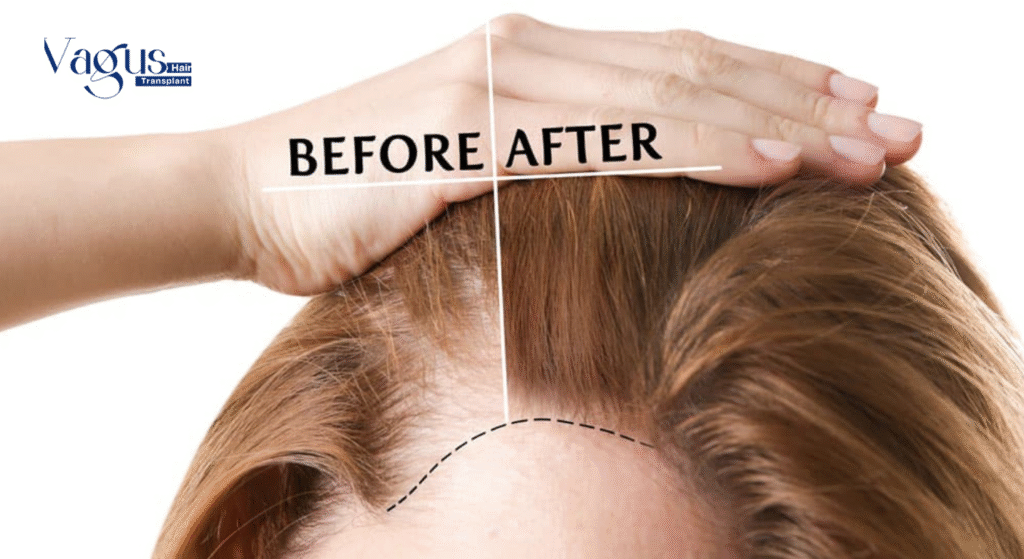
Hair loss is a concern many women face at various stages of life, leading many to explore permanent solutions like hair transplants. Among the most popular options is the FUE hair transplant, which promises a natural-looking, long-lasting result. But how permanent is a female hair transplant? This article will explore the effectiveness, permanence, and recovery associated with FUE hair transplants.
What is a Female Hair Transplant?
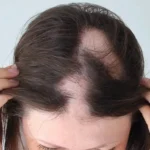
A female hair transplant involves transferring healthy hair follicles from one part of the body (typically the back of the scalp) to areas where hair thinning or baldness has occurred. This method is particularly popular for women experiencing pattern baldness or thinning hair due to factors such as genetics, hormonal changes, or stress.
FUE, or Follicular Unit Extraction, is a minimally invasive procedure that extracts individual hair follicles for transplantation, ensuring minimal scarring and a natural look.
How Female Hair Transplants Work
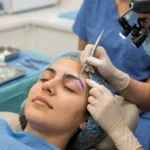
Female hair transplants are typically done through the FUE technique. Here’s how it works:
Consultation and Planning:
During the initial consultation, a hair restoration specialist evaluates the patient’s hair loss pattern and determines the most suitable treatment plan.
Extraction:
Using a tiny, punch-like tool, individual hair follicles are extracted from a donor area, usually the back or sides of the scalp.
Implantation:
The extracted follicles are then implanted into the thinning or balding areas of the scalp.
Post-Procedure Care:
Recovery instructions include gentle hair care practices to encourage follicle survival and healthy growth.
Are Female Hair Transplants Permanent?
One of the most frequently asked questions about female hair transplants is whether the results are permanent. The short answer is yes, FUE hair transplants can be permanent.
Here’s why:
- Permanent Follicles: The transplanted follicles are typically taken from areas of the scalp that are genetically resistant to hair loss, meaning these follicles are unlikely to fall out.
- Natural Growth: The transplanted hair will grow just like natural hair, and it is unaffected by the usual hair loss processes that might occur in the thinning areas.
- Long-Term Results: While the transplanted hair will likely last a lifetime, it is important to note that hair loss can still occur around the transplanted follicles over time, especially if the underlying causes of hair loss are not addressed.
Factors That Affect Hair Transplant Results
Several factors can influence the permanence and success of a female hair transplant:
- Age: Younger patients may experience better results as their hair loss may still be in the early stages, offering more viable donor hair.
- Hair Type and Density: The success of a transplant can depend on the texture and thickness of both the donor and recipient hair. Those with fine or thin hair may not see as full results as those with thicker, coarser hair.
- Post-Transplant Care: Proper care and following post-procedure instructions play a key role in ensuring lasting results. Not adhering to these guidelines can result in complications or suboptimal growth.
- Underlying Causes of Hair Loss: If the cause of hair loss (e.g., hormonal imbalances, alopecia) is not treated, the transplanted hair may be affected by the same conditions that led to the initial thinning.
What to Expect Post-Transplant: Recovery Timeline
Post-transplant recovery can vary from person to person, but typically follows a predictable pattern:
- First Week: Expect minor swelling and redness in the donor and recipient areas. You may also notice some shedding of transplanted hair, which is completely normal.
- Week 2-4: Most patients experience the shedding of transplanted hair, which is a part of the natural hair growth cycle. New hair should begin to sprout within the first month.
- 3-6 Months: You will start noticing more visible hair growth in the transplanted area. It may initially appear thin or soft, but this will gradually improve as the follicles mature.
- 6-12 Months: Full results of the transplant will start to show as the transplanted hair thickens and blends with your natural hair.
- 1 Year and Beyond: After a year, the majority of the hair growth will be visible, with permanent results expected. Continued care and treatment can maintain these results.
How to Ensure Long-Lasting Results from Your Hair Transplant
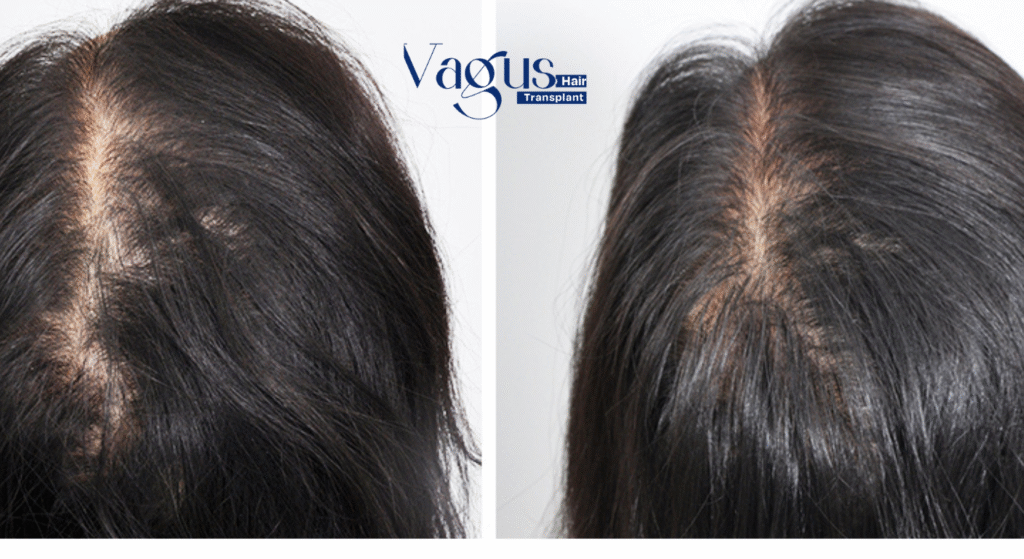
To maximize the longevity of your hair transplant results, follow these expert tips:
- Follow Post-Procedure Instructions: Strictly adhere to the instructions provided by your surgeon to promote healing and hair follicle growth.
- Avoid Smoking and Alcohol: Smoking and excessive alcohol can hinder blood circulation, slowing down the healing process.
- Healthy Diet and Hair Care: A balanced diet rich in vitamins and minerals, along with a proper hair care routine, can ensure the health of your transplanted hair.
- Manage Stress: Stress can contribute to hair loss, so adopting stress management techniques like meditation or exercise can help maintain your results.
- Consider Ongoing Treatment: Some individuals opt for additional treatments like PRP (Platelet-Rich Plasma) therapy to boost the longevity of their hair transplant.
Common Myths About Female Hair Transplants
There are several myths surrounding hair transplants for women. Let’s clear up a few:
- Myth 1: Women Can’t Get Hair Transplants: FUE hair transplants are not limited to men. Many women, particularly those experiencing androgenic alopecia, benefit from this procedure.
- Myth 2: Transplanted Hair Will Fall Out: The transplanted hair is typically permanent because it’s taken from areas resistant to hair loss. However, natural hair loss around the transplant can occur.
- Myth 3: Hair Transplants Are Only for Bald Women: Hair transplants are suitable for women with thinning hair as well as those experiencing complete hair loss.
FAQs
Q1: How long does a female hair transplant last?
A1: The results of a female hair transplant are permanent. However, natural hair loss may still occur around the transplanted follicles over time, especially if the underlying cause of hair loss is not treated.
Q2: Is FUE hair transplant painful?
A2: Most women report minimal discomfort during the FUE procedure, as local anesthesia is used. After the procedure, mild discomfort can be expected during the recovery phase.
Q3: When can I resume my normal activities after an FUE hair transplant?
A3: Most patients can return to work or light activities within a few days. However, strenuous exercise and activities that cause sweating should be avoided for at least 2-3 weeks.
Ready To Take Your Next
If you’re considering a female hair transplant, schedule a consultation with our expert team to discuss the best options for your unique hair restoration needs. Book a consultation with Vagus Hair Transplant Clinic in Islamabad today to ensure a smooth and successful recovery after your hair transplant.