No, these two treatments are not the same. Red light therapy uses low-level LED light, while laser therapy uses concentrated, coherent laser beams. Their strength, depth, precision, and clinical applications differ significantly.
Introduction
Many people exploring skin treatments, wellness routines, and pain relief options wonder, “Is red light therapy the same as laser therapy?” Although both involve therapeutic light, they work differently inside the body.
So, is red light therapy the same as laser therapy? The answer is no. Red light therapy delivers gentle, broad-spectrum LED light, while laser therapy uses highly focused beams for more targeted and intense results. Understanding this difference helps you choose the right method for your skincare or recovery goals.
Throughout this blog, we’ll explore how red light therapy, laser therapy, and red light laser techniques compare so you can confidently select the treatment that suits your needs.
What Is Red Light Therapy?
How Red Light Therapy Works
Red light therapy involves the use of low-level wavelengths that stimulate cellular energy production and enhance the body’s natural healing processes. This therapy is commonly applied using LED devices that emit consistent red and near-infrared light.
Common Wavelengths Used in Red Light Therapy
The wavelengths typically fall within the 630–660 nm range for red light and 810–850 nm for near-infrared light. These penetrate the skin gently, helping stimulate collagen and reduce inflammation.
Benefits of Red Light Therapy
- Helps rejuvenate the skin and reduce wrinkles
- Improves circulation and cellular repair
- Supports muscle recovery and reduces soreness
- Reduces inflammation and promotes wound healing
- Encourages hair growth in certain conditions
- Enhances overall skin tone and texture
Types of Red Light Therapy Devices (Home vs. Clinical)
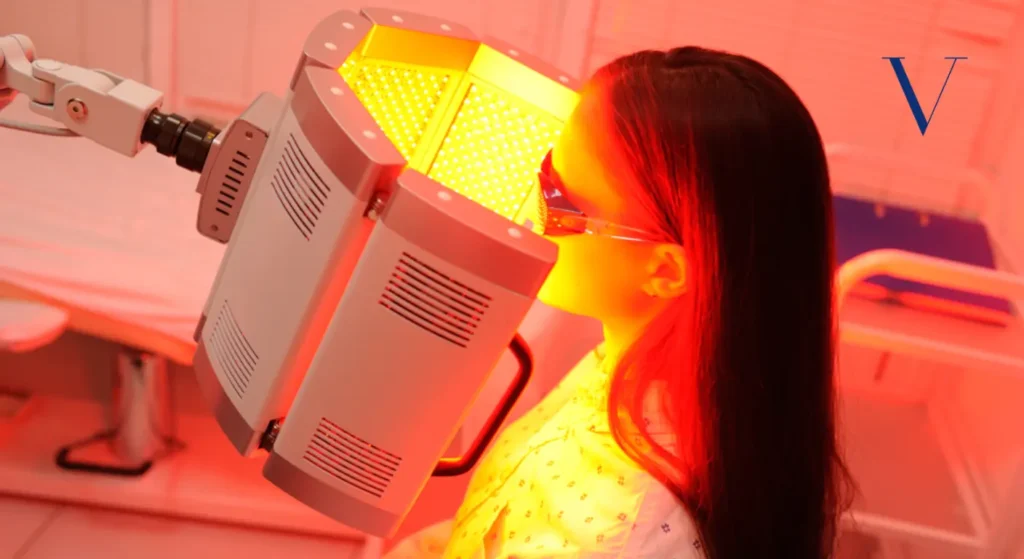
Home red light therapy devices, like handheld panels and facial masks, provide convenient daily treatments. Clinical devices found in dermatology or physical therapy centers offer stronger light exposure for faster and more significant outcomes. Both options can be effective, depending on your goals and required intensity.
What Is Laser Therapy?
How Laser Therapy Works
Laser therapy uses coherent, focused beams of light that penetrate deeper layers of the skin and tissues. Unlike LED-based red light therapy, lasers can target specific cells with precision, making them ideal for medical and cosmetic treatments that require accuracy.
Low-Level Laser Therapy (LLLT) vs. High-Power Medical Lasers
Low-Level Laser Therapy (LLLT), often called cold laser therapy, works without producing heat and is commonly used to manage pain, inflammation, and tissue repair. High-power medical lasers, on the other hand, can vaporize tissue and are used in advanced dermatological procedures like skin resurfacing or pigmentation removal.
Conditions Commonly Treated With Laser Therapy
Laser therapy is used for a wide variety of conditions, including chronic pain, tendon injuries, skin resurfacing, pigmentation correction, acne scars, tattoo removal, and vascular treatments. The precision of lasers allows specialists to treat targeted areas without affecting surrounding tissue.
Types of Laser Devices Used in Clinics
Clinics use various laser types such as diode lasers, CO₂ lasers, pulsed dye lasers (PDL), and Nd:YAG lasers. Each has unique properties suited for specific applications ranging from hair removal to deep tissue repair.
Red Light Therapy vs. Laser Therapy: Are They the Same?
Key Differences in Light Source
Red light therapy uses non-coherent LED light that spreads across a wider area, while laser therapy uses coherent, focused beams that maintain intensity over long distances. This difference affects how each treatment interacts with the body.
Differences in Power & Penetration Depth
Laser therapy provides deeper penetration and higher power, making it ideal for treating deeper tissues and tougher conditions. Red light therapy is gentler and primarily targets surface-level concerns like skin texture and mild inflammation.
Differences in Treatment Precision
Laser therapy allows for surgical precision, enabling experts to treat extremely small or specific regions. Red light therapy provides a wider, more gentle exposure, making it ideal for overall wellness and maintaining healthy skin.
Differences in Safety Profiles
Red light therapy is generally very safe and carries only minimal risks when used properly. Laser therapy requires professional supervision and may come with side effects such as redness, pigmentation changes, or, in rare cases, burns.
FDA Regulations & Clinical Use Differences
Laser therapy falls under stricter FDA regulations due to its power and medical applications. Red light therapy devices are generally cleared for wellness benefits and cosmetic use, making them more accessible to the public.
Which Treatment Is Better?
For Skin Rejuvenation
Red light therapy offers gradual improvements in skin texture and hydration, while laser therapy is better for addressing deeper wrinkles, scars, and pigmentation issues.
For Pain & Inflammation Relief
Laser therapy typically works faster for chronic or severe pain because of its deeper penetration. Red light therapy is still effective for mild to moderate inflammation.
For Wound Healing
Red light therapy helps boost surface wound healing, but low-level laser therapy often accelerates healing for deeper tissue injuries.
For Hair Growth
Both treatments support hair regrowth, but LLLT caps are usually more powerful and produce quicker results than general red light panels.
For Anti-Aging Concerns
Laser therapy provides dramatic and rapid results. Red light therapy is more suited for consistent, ongoing anti-aging maintenance.
Can Red Light Therapy Replace Laser Therapy?
Situations Where RLT Is Enough
Red light therapy is effective for managing mild acne, softening fine lines, supporting small wound healing, reducing temporary inflammation, and enhancing overall skin rejuvenation. It’s perfect for long-term wellness without downtime.
When Laser Therapy Is Better
Laser therapy is the right choice for stubborn skin conditions, deep scars, pigmentation, and concerns requiring more aggressive intervention. It is also ideal for chronic or severe pain.
When Both Can Be Combined
Many dermatologists use a combination approach. Laser therapy is performed first for targeted corrections, followed by red light therapy sessions to promote healing and reduce inflammation.
Cost Comparison: Red Light Therapy vs. Laser Therapy
Home Device Costs
Home red light therapy devices generally range from $100 to over $1,500, depending on size, power, and features. These one-time investments make long-term use affordable.
Professional Laser Session Costs
Laser sessions at clinics can vary significantly, ranging from $150 for basic treatments to several thousand dollars for advanced procedures. The exact price depends on the treatment area and the complexity of the procedure.
Long-Term Cost Considerations
Red light therapy offers a cost-effective way to maintain skin and wellness over time. Laser therapy may be more expensive upfront, but it often delivers quicker and more dramatic results, reducing the number of sessions needed.
Safety Considerations
Potential Risks of Red Light Therapy
Red light therapy carries very few risks. Minor redness or eye sensitivity may occur, but side effects are rare and temporary. It is generally safe for all skin types.
Potential Risks of Laser Therapy
Laser therapy has a higher risk profile due to its intensity. Potential side effects include burns, temporary discoloration, swelling, and, in rare situations, scarring. This is why professional supervision is essential.
Who Should Avoid Each Treatment
Individuals with light sensitivity disorders or those taking photosensitizing medications should consult a doctor before using red light therapy. Pregnant individuals, those with certain skin tones, or people using strong acne medications may need to avoid or modify laser treatments.
How to Decide Which Therapy Is Right for You
Discuss your goals, current skin condition, medical background, and desired speed of results with your dermatologist. These details help determine whether a gentle or more intense treatment is appropriate.
Select FDA-cleared devices when choosing at-home red light panels. For laser therapy, choose certified professionals experienced in handling medical-grade lasers.
Frequently Asked Questions
Can red light therapy mimic laser results?
Red light therapy can mimic mild laser benefits, especially for skin health and inflammation, but it cannot replace the intensity or precision of medical lasers.
Does one work faster than the other?
Laser therapy typically works faster because it operates at higher power and penetrates deeper layers of the skin.
Are all red light devices equally effective?
Not all red light devices are created equal. Effectiveness depends on wavelength accuracy, irradiance levels, device quality, and consistency of use.