Low-level laser therapy (LLLT) uses light energy to stimulate healing and repair in tissues, reduce pain, and promote skin rejuvenation. By applying specific wavelengths of light, laser therapy works on cellular processes that help accelerate recovery, reduce inflammation, and enhance overall health. Whether for pain relief, wound healing, or skin treatments, laser therapy offers a non-invasive and effective solution to various medical and cosmetic concerns.
Introduction
Laser therapy, particularly low-level laser therapy (LLLT), has gained popularity for its effectiveness in treating a variety of medical and cosmetic conditions. It is a non-invasive treatment that uses light energy to promote healing and reduce pain. Whether it’s used in physical therapy, skin rejuvenation, or post-surgical recovery, laser therapy is a versatile and highly beneficial option for patients seeking relief without undergoing surgery. In this article, we’ll explore how laser therapy works, its mechanism of action, and the benefits it offers for different conditions.
The Science Behind Laser Therapy
How Laser Light Penetrates the Skin
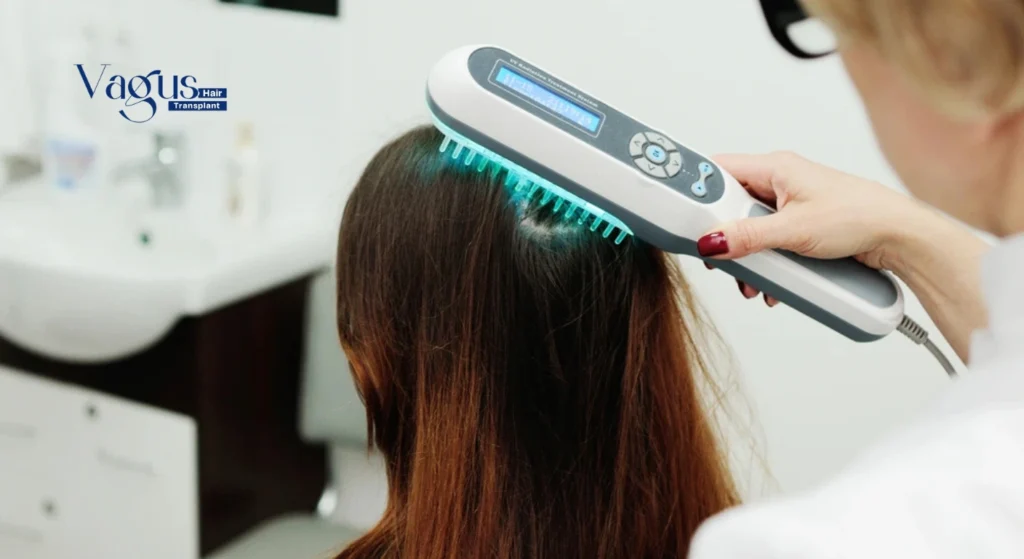
Laser therapy involves the use of specific wavelengths of light that penetrate the skin to stimulate cellular repair and regeneration. These wavelengths are absorbed by the body’s tissues, triggering a process that helps promote healing. Low-level laser therapy (LLLT) uses red or near-infrared light, which can reach deep into tissues without causing harm to the surface layer of the skin.
The Role of Light Energy in Cellular Repair
Light energy absorbed by the cells during laser therapy stimulates the mitochondria, the powerhouse of the cell. This boosts cellular metabolism and enhances the production of ATP (adenosine triphosphate), which is essential for cellular repair and regeneration. The increased ATP production accelerates the healing process, reduces inflammation, and supports tissue regeneration.
Types of Lasers Used in Therapy
There are different types of lasers used in therapy, each with unique benefits and applications:
- Low-Level Laser Therapy (LLLT): Often used for pain management, wound healing, and skin rejuvenation.
- High-Level Laser Therapy: Used for more intense treatments, such as surgery and deeper tissue repair.
- Cold Laser Therapy: A specific type of LLLT that is used for pain relief and inflammation reduction without causing thermal damage to tissues.
Mechanism of Action: How Laser Therapy Works on the Body
Photobiomodulation (PBM): What Is It?
The core mechanism behind laser therapy is photobiomodulation (PBM), a process in which light energy interacts with cells to influence biological processes. PBM can modulate inflammation, improve blood circulation, and enhance cellular repair processes.
How Laser Energy Affects Cells and Tissues
When laser light is applied, it penetrates the skin rejuvenation therapy and reaches deep tissues. The energy absorbed by the cells stimulates various biochemical reactions, resulting in the release of growth factors that help accelerate tissue repair. The light energy also helps to reduce oxidative stress, thereby improving cellular function and promoting faster recovery.
Stimulating Healing and Pain Relief at the Cellular Level
Laser therapy’s ability to stimulate cellular processes not only aids in the healing of tissues but also reduces pain. By enhancing blood flow and reducing inflammation at the cellular level, laser therapy can significantly alleviate chronic pain and promote faster healing.
Applications of Laser Therapy
Laser Therapy for Pain Relief
One of the most common uses of laser therapy is for pain relief. It is particularly effective in managing musculoskeletal conditions like arthritis, back pain, and tendonitis. By targeting the inflamed areas, laser therapy helps reduce swelling, improve blood flow, and promote tissue healing, thus alleviating pain.
Uses in Wound Healing and Tissue Repair
Laser therapy has been found to significantly accelerate wound healing by stimulating cellular repair and improving circulation. It is commonly used to treat chronic wounds, burns, and post-surgical incisions, promoting faster and more efficient recovery.
Laser Therapy for Skin Conditions
Laser therapy is also used in treating various skin conditions, including acne, scars, and wrinkles. By stimulating collagen production it helps improve skin texture, reduce blemishes, and rejuvenate the skin. Cold laser therapy is particularly beneficial for skin healing without causing thermal damage.
Laser Therapy in Physical Therapy and Rehabilitation
In physical therapy, laser therapy is used to treat conditions like muscle strains, ligament injuries, and joint problems. By promoting tissue repair and reducing inflammation, laser therapy accelerates recovery times and enhances rehabilitation outcomes.
Benefits of Laser Therapy
Non-Invasive Treatment Option
Laser therapy is a non-invasive, pain-free treatment option that doesn’t require incisions or needles. It’s an excellent choice for patients who want to avoid surgery or those recovering from surgery.
Reduces Pain and Inflammation
Laser therapy can significantly reduce pain and inflammation, providing relief for conditions like arthritis, muscle injuries, and chronic pain. Promoting circulation and reducing swelling, it helps patients return to their daily activities faster.
Accelerates Tissue Repair and Healing
By stimulating the body’s natural healing mechanisms, laser therapy accelerates tissue repair and regeneration, leading to faster recovery times for injuries, wounds, and surgical procedures.
Improves Skin Health and Appearance
Laser therapy can rejuvenate the skin by promoting collagen production and improving circulation. It helps reduce the appearance of wrinkles, scars, and blemishes, giving the skin a smoother and more youthful appearance.
Is Laser Therapy Safe?
Common Side Effects and Risks
Laser therapy is generally safe with minimal side effects. However, some patients may experience mild discomfort, redness, or a sensation of warmth in the treated area. These side effects are usually temporary and subside after treatment.
Safety Guidelines for Patients
It’s important to follow safety guidelines when undergoing laser therapy. Patients should wear protective eyewear during the treatment to prevent eye damage, and treatments should be conducted by trained professionals to ensure proper application and avoid injury.
What to Expect During a Laser Therapy Session
How Long Does a Session Last?
A typical laser therapy session lasts anywhere from 10 to 30 minutes, depending on the area being treated and the condition being addressed.
Does Laser Therapy Hurt?
Laser therapy is generally pain-free. Some patients may feel a mild tingling or warmth, but it is typically well-tolerated.
How Many Sessions Are Required for Results?
The number of sessions required depends on the condition being treated. Acute conditions may require just a few sessions, while chronic conditions may need several treatments for optimal results.
Who Can Benefit from Laser Therapy?
Ideal Candidates for Laser Therapy
Laser therapy is suitable for most people, especially those suffering from pain, inflammation, or skin conditions. However, it may not be recommended for individuals with certain health conditions, such as active cancer or pregnancy.
Conditions Treated with Laser Therapy
Laser therapy is used to treat a wide range of conditions, including:
- Musculoskeletal pain
- Chronic inflammation
- Skin conditions (acne, scars, wrinkles)
- Post-surgical recovery
- Wound healing
Success Rates and Patient Outcomes
The success rates of laser therapy are high, with many patients experiencing significant pain relief and improved recovery times. Results vary depending on the individual and the condition being treated.
Conclusion: Is Laser Therapy Right for You?
Laser therapy is an effective and non-invasive treatment option for a variety of conditions. Whether you’re seeking pain relief, faster recovery, or improved skin health, laser therapy offers a safe and efficient solution. If you’re considering laser therapy, consult with a professional to determine if it’s the right option for you based on your specific needs and goals.
Frequently Asked Questions
1. How long does it take for laser therapy to work?
Laser therapy can provide relief after just a few sessions. However, the full benefits may take several weeks to become noticeable, depending on the condition being treated.
2. Is laser therapy safe for all skin types?
Yes, laser therapy is generally safe for all skin types, but it’s important to consult with a trained professional to ensure the treatment is suitable for your specific skin condition.
3. Can laser therapy be used for hair loss?
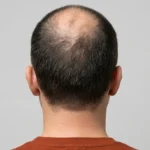
Yes, low-level laser therapy (LLLT) is used to stimulate hair growth and treat conditions like alopecia and thinning hair.
4. How many sessions are required for hair growth results?
Most people require 12 to 24 sessions for optimal hair growth results, although this can vary depending on the individual’s condition and response to treatment.
5. What are the side effects of laser therapy?
Side effects are rare but may include temporary redness, swelling, or a sensation of warmth in the treated area. These side effects usually subside shortly after the treatment.