Summary:
After undergoing a hair transplant, many people wonder about the necessity of taking medication for successful recovery and hair regrowth. This article dives into the types of medications typically prescribed after hair transplants, why they are necessary, and how to follow the recovery process to ensure the best results. We’ll also provide expert opinions, answer common questions, and guide you through a smooth and effective post-surgery healing journey.

Introduction
If you’re considering or have recently undergone a hair transplant, you may be wondering, “Do you have to take medication after hair transplant?” The answer is yes, and it’s crucial for a smooth and successful recovery. Post-surgery medications help prevent infection, reduce swelling, and promote hair regrowth. In this article, we’ll explore the role of medication after a hair transplant, the types of drugs involved, and tips to ensure optimal healing. You’ll gain valuable insights from experts on how to manage your recovery effectively.
Post-Hair Transplant Medication: Why It’s Essential
After your hair transplant surgery, taking prescribed medications helps your body heal and promotes healthy hair regrowth. The right medications reduce complications, manage discomfort, and prevent unwanted side effects.
Why Medications Are Prescribed After a Hair Transplant
Hair transplants are surgical procedures, and like any surgery, post-operative care is essential. Medications are prescribed to support healing, reduce inflammation, prevent infections, and promote hair growth.
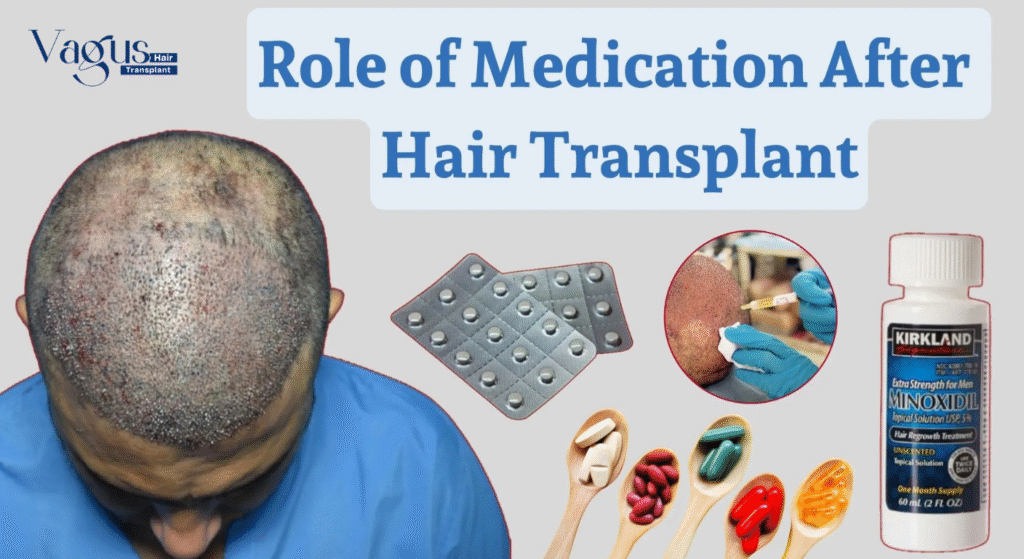
Common medications prescribed after a hair transplant include antibiotics to fight infections, anti-inflammatory drugs to reduce swelling and pain, and minoxidil or finasteride for promoting long-term hair regrowth.
The Role of Antibiotics in Preventing Infection
Infection is a risk after any surgery, and hair transplant surgery is no exception. Antibiotics are prescribed to help prevent infection in the transplanted hair follicles, ensuring proper healing and avoiding complications.
Anti-Inflammatory Drugs for Reducing Swelling and Pain
Swelling and discomfort are common after hair transplants. Anti-inflammatory medications like ibuprofen are prescribed to manage pain and reduce swelling in the treated areas. This helps speed up the healing process and ensures that recovery is as comfortable as possible.
Medications for Hair Transplant Recovery Process
Post-transplant medications are vital for the recovery process and the success of your hair regrowth. Let’s take a closer look at the key medications involved.
Minoxidil: Stimulating Hair Regrowth
Minoxidil (commonly known by the brand name Rogaine) is a topical medication that stimulates hair follicles, encouraging regrowth. After a transplant, minoxidil is often prescribed to help maximize the results of the procedure and speed up the hair regrowth process.
Finasteride: A Pill for Long-Term Hair Retention
Finasteride (Propecia) is a medication used to prevent hair loss and maintain the hair regrowth achieved from the transplant. Finasteride works by blocking the hormone DHT, which can contribute to hair loss. It’s typically recommended for long-term use after a hair transplant to prevent future hair thinning.
Pain Relief and Scar Treatment Medications
Acetaminophen or other over-the-counter pain relievers are commonly prescribed to manage any mild discomfort post-surgery. Additionally, silicone gels and ointment treatments can be used to minimize scarring and aid in the healing of the scalp.
Hair Transplant Aftercare Instructions and Medication
Following your surgeon’s post-operative instructions and taking your medications properly are crucial for the best results. Here’s how to manage your recovery effectively.
- How to Properly Take Your Post-Transplant Medications
- Always follow the prescribed dosages and schedules. Medications like antibiotics should be taken for the full prescribed duration, even if you feel better. This ensures that infections are fully prevented.
- Minoxidil and finasteride should be used consistently to achieve optimal hair regrowth results.
- Best Practices for Shampooing and Scalp Care
- In the first few days after your transplant, avoid direct contact with water on your scalp. When it’s safe to wash, use a mild, non-abrasive shampoo. Gently pat the scalp dry and avoid rubbing to prevent disturbing the transplanted follicles.
- Avoiding Hair Trauma During the Healing Process
- Be careful not to irritate the transplanted areas. Avoid wearing hats or scarves that may rub against the scalp, and refrain from any strenuous physical activity that could cause sweating or trauma to the area.
Drugs to Avoid After Hair Transplant Surgery
While taking prescribed medications is important, there are also certain drugs and substances you should avoid post-transplant to ensure successful healing.
- Medications That May Interfere with Healing
- Medications like blood thinners (e.g., aspirin) can increase the risk of bleeding during and after the transplant. It’s important to avoid these medications before and after the surgery unless advised otherwise by your doctor.
- Alcohol and Smoking: Risk Factors for Poor Recovery
- Both alcohol and smoking can interfere with the body’s natural healing process and negatively affect hair regrowth. Smoking, in particular, can constrict blood vessels and hinder circulation to the scalp, slowing recovery.
- Over-the-Counter Medications to Avoid
- Some over-the-counter medications, especially those that affect blood flow or have anti-inflammatory properties, may interfere with recovery. Always consult your doctor before taking anything not prescribed.
Hair Transplant Recovery Timeline with Medication
Understanding the recovery timeline and the role of medication is crucial to manage expectations and ensure the best possible outcome.
- What to Expect in the First Few Days
- In the first few days after your transplant, you’ll likely experience some swelling and mild discomfort. Antibiotics and anti-inflammatory medications will help manage these symptoms.
- Week-by-Week Recovery Process
- Week 1: Initial swelling and scabbing. Continue taking pain relievers and antibiotics.
- Weeks 2-4: Hair shedding occurs as part of the natural process. Continue using minoxidil and finasteride for hair regrowth.
- Months 2-6: The hair follicles start to regrow, and you may notice new hair growth. Patience is key, as visible regrowth can take several months.
- Long-Term Care and Medication Use
- After the initial recovery phase, you may be advised to continue using minoxidil and finasteride for long-term hair retention. Follow up with your doctor for ongoing care.
FAQs
Can I stop taking medications after the first week?
It’s important to continue your medications as prescribed, especially minoxidil and finasteride, for optimal hair regrowth.
How long should I use minoxidil after my transplant?
Minoxidil is typically used for at least 6 months post-transplant to see full results, although it can be used long-term to maintain hair growth.
Will I experience hair loss after stopping finasteride?
Yes, stopping finasteride can lead to the loss of transplanted hair over time, as it helps prevent further hair loss.
What happens if I forget to take my medication?
If you miss a dose, take it as soon as you remember, but don’t double up. If you frequently forget, set reminders to stay consistent.
Are there natural alternatives to medication for post-transplant care?
While there are some natural supplements that may support hair health, medications like minoxidil and finasteride are the most effective treatments for post-transplant care.
Conclusion
Taking the proper medications after a hair transplant is essential to ensure successful healing and hair regrowth. From antibiotics to medications like minoxidil and finasteride, following your doctor’s advice and staying consistent with your post-surgery care can make all the difference in achieving the best possible results. Keep in mind the recovery timeline, avoid harmful substances, and consult your doctor for ongoing care to support your hair transplant journey.
Ready To Take Your Next Step
If you’re ready to get started with your hair transplant journey or need more information about post-surgery care, book a free consultation with our expert team today. We’ll guide you every step of the way to ensure a smooth and successful recovery.