Platelet Rich Plasma (PRP) therapy for hair growth has gained significant attention as a natural, non-surgical solution for hair loss. By using the patient’s own blood, PRP therapy helps rejuvenate hair follicles, promoting natural hair growth. In this article, we’ll explore the science behind PRP therapy, its benefits, the procedure, and what to expect regarding results.
Introduction
Platelet Rich Plasma Therapy for Hair Growth is an increasingly popular treatment for individuals experiencing hair loss. This therapy leverages the healing properties of platelets found in the patient’s blood to stimulate hair growth naturally. Platelet Rich Plasma therapy for hair growth is considered an effective solution for thinning hair and pattern baldness, offering non-invasive, minimal downtime with impressive results. In this article, we will explore how Platelet Rich Plasma injections work and provide insight into the benefits and limitations of this innovative treatment.
What is Platelet Rich Plasma (PRP)?
Platelet Rich Plasma, or PRP, is a substance derived from a patient’s own blood. The blood is processed to concentrate the platelets, which are rich in growth factors essential for tissue repair and regeneration. These growth factors are then injected into the scalp to promote hair follicle regeneration.
How is PRP Collected and Processed?
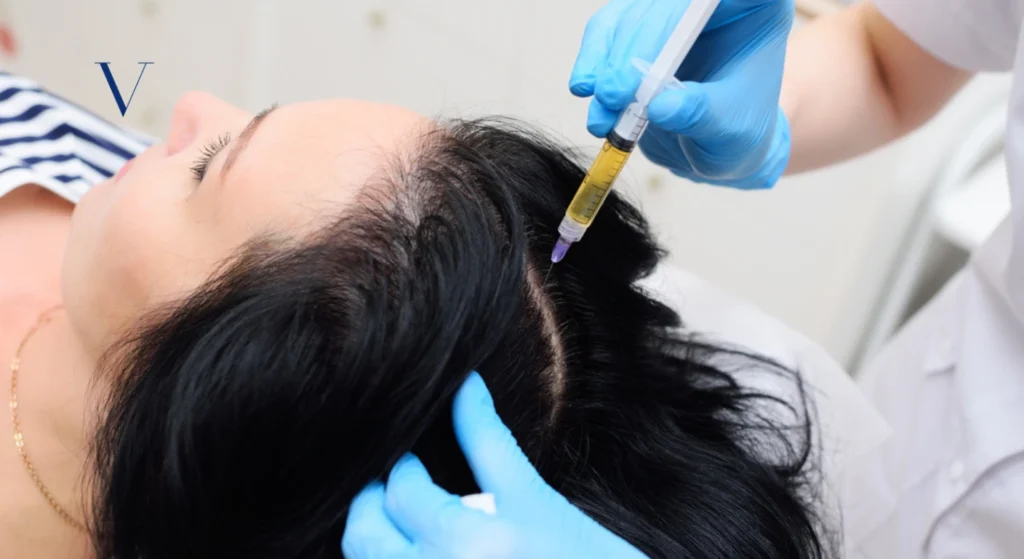
The PRP collection process begins with a simple blood draw, similar to a routine blood test. The blood is then placed in a centrifuge, which spins the blood to separate the platelets from other blood components. The concentrated PRP is then injected into areas of the scalp affected by hair thinning or loss.
The Science Behind PRP’s Effectiveness for Hair Regrowth
PRP contains a high concentration of growth factors that stimulate and rejuvenate hair follicles. These growth factors help promote circulation to the hair follicles, encouraging thicker and healthier hair growth. The regenerative properties of PRP make it a powerful tool in the fight against hair loss.
Benefits of PRP Therapy for Hair Growth
Stimulating Hair Follicles for Natural Hair Growth
PRP therapy helps to stimulate dormant or shrinking hair follicles, encouraging them to enter the growth phase of the hair cycle. This can lead to thicker and healthier hair over time.
PRP’s Role in Preventing Hair Thinning and Loss
In addition to promoting hair growth, PRP therapy can slow down or even prevent further hair thinning. By nourishing the hair follicles and improving scalp health, PRP may also help strengthen existing hair.
Non-Surgical and Minimally Invasive Treatment
Unlike traditional hair restoration treatments, such as hair transplant, Platelet Rich Plasma therapy for hair growth is minimally invasive and does not require surgery. This makes it an attractive option for individuals seeking a non-invasive solution to hair loss.
How PRP Therapy for Hair Growth Works
Step-by-Step Process of PRP Treatment
- Blood Draw: A small amount of blood is drawn from the patient’s arm.
- Centrifugation: The blood is processed in a centrifuge to separate the PRP from the rest of the blood.
- Injection: The PRP is injected into targeted areas of the scalp.
What to Expect During the Procedure
The procedure is relatively quick, typically lasting between 30 to 60 minutes. Local anesthesia is applied to ensure that the injections are as comfortable as possible.
Recovery Time and Aftercare
Recovery from PRP therapy is minimal. Most patients experience mild swelling or tenderness at the injection sites, which usually subsides within a few days. Aftercare typically involves avoiding direct sun exposure and refraining from washing the scalp for 24 hours.
PRP Therapy Results and Expectations
When Will You See Results from PRP Hair Treatment?
Results vary, but most patients start to notice visible improvements in hair thickness and growth within 3 to 6 months. PRP therapy stimulates the hair follicles gradually, so it may take several treatments to see full results.
How Long Do the Results Last?
While PRP therapy can provide long-lasting results, maintenance treatments every 6 to 12 months are often recommended to maintain hair growth.
Realistic Expectations for Hair Growth
PRP therapy can improve the appearance of hair, but it may not work for everyone. Expectations should be managed based on the extent of hair loss and individual response to treatment.
Is PRP Therapy Effective for Everyone?
Who Can Benefit from PRP Therapy for Hair Growth?
PRP therapy is most effective for individuals in the early stages of hair loss, particularly those with male or female pattern baldness. It is less effective for individuals with complete hair loss or extensive scarring.
Limitations and Challenges of PRP for Hair Restoration
While PRP therapy offers promising results, it is not a one-size-fits-all solution. Those with advanced or permanent hair loss may not see significant improvement. Additionally, multiple sessions may be required for optimal results.
PRP for Different Types of Hair Loss
PRP therapy can be used to treat various types of hair loss, including male and female pattern baldness, alopecia areata, and thinning hair. The effectiveness of PRP can vary depending on the specific type of hair loss.
Side Effects and Risks of PRP Therapy
Possible Side Effects After PRP Treatment
Most side effects are mild and temporary. These may include swelling, redness, and discomfort at the injection sites. Rarely, patients may experience an allergic reaction to the PRP.
Is PRP Safe for Hair Growth?
PRP therapy is generally considered safe as it uses the patient’s own blood, minimizing the risk of allergic reactions or infection. However, it is essential to choose a qualified practitioner for the procedure.
PRP Therapy vs Other Hair Restoration Treatments
PRP vs Hair Transplantation: Which is Better?
Platelet Rich Plasma therapy for hair growth is less invasive than a hair transplant and requires no downtime, but it may not produce the same level of results for severe hair loss. Hair transplants are more effective for individuals with significant hair thinning.
PRP vs Medications (Minoxidil, Finasteride)
PRP therapy can offer more natural results, while medications like Minoxidil and Finasteride may require ongoing use and may not provide as noticeable improvements.
PRP vs Laser Therapy
Laser therapy for hair loss involves the use of low-level lasers to stimulate hair growth, but Platelet Rich Plasma therapy for hair growth may provide more substantial results due to its ability to regenerate hair follicles using the body’s own growth factors.
Cost of PRP Therapy for Hair Growth
How Much Does PRP Therapy for Hair Growth Cost?
The cost of Platelet Rich Plasma therapy for hair growth can range from $1,500 to $3,500 per session, depending on the clinic and location.
Factors That Affect the Cost of PRP Treatment
Factors influencing cost include the number of sessions required, the experience of the practitioner, and the geographic location of the clinic.
Is PRP Therapy Worth the Investment?
For many individuals, PRP therapy is a worthwhile investment, offering a non-invasive and effective solution to combat hair loss. However, results vary, and patients should weigh the cost against the expected benefits.
Success Stories and Testimonials
Before and After PRP Hair Growth Photos
Many patients report positive outcomes, with visible improvements in hair density and thickness. Before and after photos can provide a clear view of the potential results.
Patient Experiences: Real Results from PRP Treatment
Patients often share their experiences through testimonials, describing the process, results, and overall satisfaction with PRP therapy for hair growth.
Finding a Qualified PRP Provider
How to Choose a PRP Specialist for Hair Restoration
It is crucial to choose a skilled and experienced PRP provider. Look for certifications, reviews, and patient testimonials to ensure the best results.
Questions to Ask Before Starting PRP Therapy
Before undergoing Platelet Rich Plasma therapy for hair growth, ask about the provider’s experience, the number of treatments required, and the expected outcomes. It’s also important to discuss any potential side effects.
Final Thoughts
PRP therapy offers a promising, non-invasive solution for hair loss. While results vary, it can be an effective treatment for those in the early stages of hair loss or those seeking to prevent further thinning.PRP therapy provides a natural and minimally invasive option for hair restoration, but it is not a cure-all. With realistic expectations and proper aftercare, it can help restore a fuller, healthier head of hair.
If you’re ready to take the first step toward restoring your hair naturally, PRP therapy could be the solution you’ve been searching for.
Frequently Asked Questions
1.How many sessions of PRP therapy are needed for hair growth?
Most patients require 3 to 4 sessions, spaced about a month apart, followed by maintenance treatments every 6–12 months.
2.Is PRP therapy painful?
The procedure is generally well-tolerated, with mild discomfort during injections. Local anesthesia is used to minimize pain.
3.How long does it take to see results from PRP therapy?
Visible results typically appear within 3 to 6 months after treatment.
4.Can PRP therapy be used for all types of hair loss?
PRP therapy is most effective for early-stage hair loss, such as male and female pattern baldness. It may not be as effective for severe or permanent hair loss.
5.What are the risks of PRP therapy?
PRP therapy is generally safe, with minimal risks, including mild swelling and redness at the injection sites.