Shaving your head after a hair transplant is possible, but it requires careful consideration and proper timing to ensure the best results. Understanding the phases of hair transplant recovery, the right time to shave, and the risks involved can help you navigate the post-transplant period successfully.
Can You Shave Your Head After a Hair Transplant?
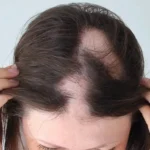
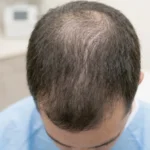
Hair transplants are a popular solution for those struggling with hair loss, but many people wonder if they can shave their head after the procedure. The answer isn’t straightforward, as it depends on the type of transplant, recovery phase, and proper aftercare. In this blog, we’ll explore the key factors you need to consider when planning to shave your head after a hair transplant. From understanding hair transplant recovery to learning when it’s safe to shave, we’ve got all the information you need to make the right decision.
Understanding Hair Transplant Recovery
What Happens After a Hair Transplant?
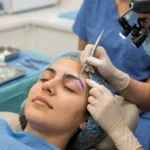
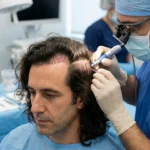
After a hair transplant, your scalp undergoes a healing process, during which time new hair follicles are implanted into the recipient area. The recovery period varies, but it’s essential to follow aftercare instructions to ensure the success of the procedure. Initial redness, swelling, and minor discomfort are common, and it’s crucial to avoid disturbing the transplant sites during this phase.
The Phases of Hair Transplant Healing
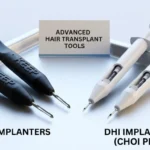
The healing process typically involves several phases, including the shedding of transplanted hairs (known as “shock loss”), followed by new hair growth. While the recovery process can differ based on the technique used (FUE) vs Direct Hair Implantation (DHI), understanding the expected stages is essential to know when it’s safe to shave your head.
The Best Time to Shave Your Head After a Hair Transplant
Initial Healing Period: When Should You Wait?
Most surgeons recommend waiting at least 2-3 weeks before attempting to shave your head after a hair transplant. This waiting period allows the initial swelling and redness to subside and gives your hair follicles time to properly embed into the scalp.
Signs That Your Scalp Is Ready for Shaving
After the initial healing period, you’ll want to look for signs that your scalp is ready for shaving. These signs include:
- Minimal scabbing: Ensure that any scabs or crusts from the transplant sites have fully healed.
- No irritation or swelling: Your scalp should be free of irritation, swelling, or redness.
- Healthy hair follicles: The transplanted follicles should be stable and not easily disturbed.
If these conditions are met, it’s likely safe to shave your head. However, it’s always wise to consult your surgeon before making the decision.
Potential Risks of Shaving Too Soon After a Hair Transplant
How Shaving Can Affect Newly Transplanted Hair Follicles
Shaving too soon after a hair transplant can cause significant damage to the delicate hair follicles that have been recently implanted. Applying pressure or disturbing the grafts too early can lead to poor hair growth and even follicle rejection.
Avoiding Damage to the Graft Site
If you shave too early, you risk damaging the graft site where new hair follicles are growing. Scratching, rubbing, or using shaving equipment too aggressively can dislodge hair grafts or disrupt the healing process.
How to Shave Your Head Safely After a Hair Transplant
Step-by-Step Guide to Shaving Your Head Post-Transplant
When the time comes to shave your head, here’s a simple guide to follow:
- Wait for complete healing: Ensure that the shock loss phase has passed and that your scalp is fully healed.
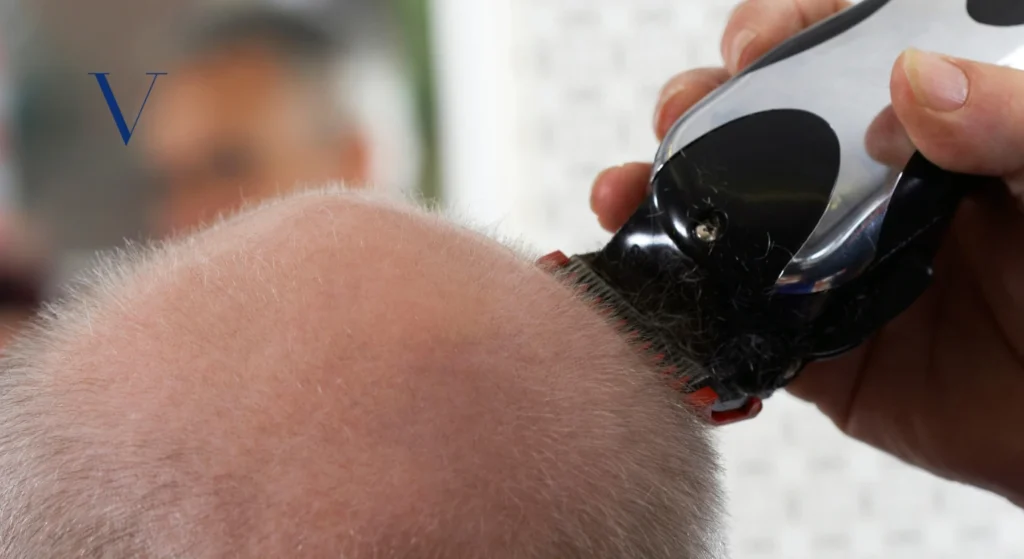
- Use a gentle shaver: Opt for an electric shaver with a guard to avoid direct contact with the scalp.
- Shave carefully: Start shaving gently to avoid irritating the sensitive areas.
- Shave in the direction of hair growth: Always shave in the natural direction of hair growth to reduce friction.
- Moisturize your scalp: After shaving, apply a gentle, non-irritating moisturizer to keep your scalp hydrated.
Essential Tips for a Smooth Shave Without Compromising Results
- Avoid using a razor: Razor blades can cause unnecessary pressure on the scalp, which may lead to irritation or graft damage.
- Shave in sections: Work in small sections to ensure that you don’t apply too much pressure on any one area.
Be patient: Shaving should be a slow and deliberate process, so take your time to avoid mistakes.
Professional Recommendations: When Should You Consult Your Surgeon?
Why It’s Important to Seek Expert Advice
It’s always a good idea to consult your surgeon before shaving your head to ensure that your recovery is progressing well. Surgeons can provide tailored advice based on your specific hair transplant technique and recovery progress.
Signs That You Need to Delay Shaving Your Head
If you experience any of the following, it’s important to delay shaving your head:
- Visible scabs or crusts: These are signs that the healing process is not complete.
- Excessive redness or swelling: These may indicate inflammation or irritation that could interfere with hair growth.
- Pain or discomfort: Persistent pain should be addressed by your surgeon.
Post-Shave Care and Maintaining Healthy Growth
Proper Aftercare for Your Scalp After Shaving
After shaving your head, it’s crucial to continue taking care of your scalp. This includes moisturizing, protecting the area from the sun, and avoiding harsh chemicals or styling products that can damage your hair follicles.
Keeping the Transplanted Hair Healthy During Growth
To maximize the success of your hair transplant, maintain a healthy scalp with:
- Proper hydration: Drink plenty of water and use scalp-friendly moisturizers.
- A balanced diet: Ensure your diet includes nutrients that promote hair growth, such as vitamins and proteins.
- Gentle hair care products: Choose shampoos and conditioners that are gentle on your scalp and free of harsh chemicals.
Shaving your head after a hair transplant can be done safely, but it’s important to wait until your scalp is fully healed. Consult with your surgeon for personalized advice, follow the aftercare instructions, and take your time during the shaving process to ensure the best results.
Frequently Asked Questions
1.Can I Shave with Clippers or Should I Use a Razor?
Clippers are the safest option for shaving your head after a hair transplant. Razors can be too harsh on the delicate follicles and increase the risk of irritation and damage.
2.Will Shaving Affect the Long-Term Results of My Hair Transplant?
No, as long as you wait for the proper healing time and use gentle methods to shave, shaving your head will not negatively affect the long-term results of your hair transplant.