Summary
Choosing the right time for a hair transplant is crucial for optimal results and a smooth recovery. In this article, we explore the best time to get a hair transplant, including seasonal considerations and recovery timelines. Learn how timing impacts hair restoration success and get expert tips for planning your procedure.
Introduction
Are you considering a hair transplant but unsure about the best time to undergo the procedure? Timing plays a significant role in the success of your hair restoration surgery, from optimal results to recovery efficiency. In this article, we’ll guide you through the best time to get a hair transplant, including seasonal factors, recovery timelines, and expert recommendations. By understanding the ideal timing, you can maximize the benefits of your hair transplant and ensure a smoother recovery.
Why Timing Matters for Hair Transplant Surgery
Timing isn’t just about convenience; it directly affects the success of your hair transplant. Whether it’s seasonal considerations, the recovery process, or how your lifestyle can align with the healing phase, knowing when to schedule your procedure is essential.
How the Right Timing Can Improve Results
Undergoing hair transplant surgery at the right time helps your body recover more effectively and enhances the overall success of the procedure. For example, recovery during the cooler months allows you to avoid excessive sweating, which can disrupt the healing process. Additionally, timing the surgery around personal events or travel plans can make recovery smoother and less stressful.
Key Factors Influencing the Best Time
Several factors influence the ideal time for your hair transplant:
- Weather: Cooler months reduce the risk of sweating, which can slow down the healing process.
- Personal Schedule: Plan around work, holidays, or other commitments to ensure you have enough time for recovery.
- Health: Ensure you’re in optimal health before scheduling the procedure to ensure quick healing.
Best Time of Year for Hair Transplant Surgery
Choosing the right season can make a significant difference in your recovery experience and the success of your hair transplant.
Seasonal Advantages for Hair Restoration
The best time to get a hair transplant often depends on the weather:
- Fall and Winter: These seasons are ideal because the cooler weather minimizes sweating, which can interfere with the healing process. Additionally, you can wear hats without drawing attention, which is helpful during the initial recovery period.
- Spring and Summer: Although possible, hair transplants during warmer months may lead to excessive sweating, which could prolong recovery. It’s also harder to avoid sun exposure, which can irritate the newly implanted hair follicles.
Why Spring and Fall Are the Best Seasons for Surgery
Spring and fall offer a balance of moderate temperatures and less intense sunlight, making them the ideal seasons for undergoing a hair transplant. These seasons provide the perfect environment for recovery, cool enough to avoid sweating, yet warm enough to allow you to comfortably recover at home or in private spaces.
Hair Transplant Recovery Timeline: What to Expect
After your hair transplant, your recovery period is crucial for the success of the procedure. The timeline varies based on several factors, including the timing of the procedure itself.
Post-Op Care and Recovery Timeframes
Here’s a general breakdown of the recovery stages:
- Days 1-3: Immediate swelling, mild discomfort, and redness.
- Week 1: You’ll likely experience scabbing and mild shedding of transplanted hair.
- Week 2-3: Swelling should subside, and you can return to regular activities.
- Month 1-3: Shedding may continue, but new hair growth begins to emerge.
- Month 6-12: Full results will become noticeable, and you can expect your transplanted hair to blend with your natural growth.
How Seasonal Weather Affects Recovery
Cooler temperatures and lower humidity in fall and winter reduce the risk of infection and irritation, allowing you to heal more efficiently. During the summer months, excessive sweating or sun exposure can increase recovery times.
When to Schedule a Hair Transplant for Optimal Results
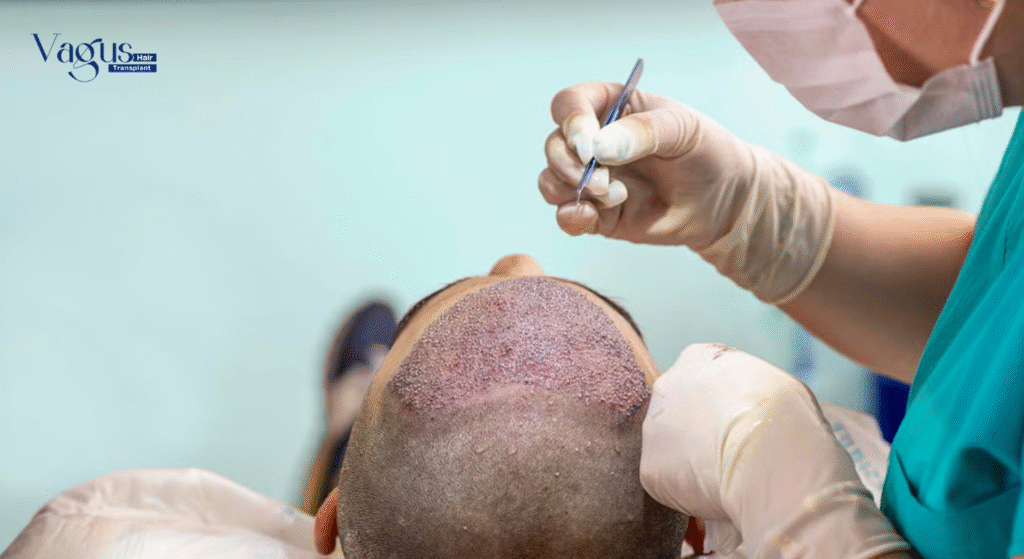
Timing your consultation and procedure carefully can maximize your results and fit into your lifestyle. It’s essential to schedule your hair transplant when you can dedicate time for recovery and proper care.
Timing Your Consultation with the Surgeon
Consulting with a qualified hair transplant surgeon is the first step. Ideally, you should schedule your consultation several months in advance to ensure you have time to prepare and make informed decisions. Many clinics offer seasonal promotions, so scheduling early may provide cost benefits as well.
Scheduling Around Major Life Events
If you have significant events coming up, such as a wedding or vacation, planning your hair transplant around these occasions will ensure that your recovery period doesn’t clash with important dates. Generally, it’s best to schedule your procedure when you have a few weeks of downtime.
Expert Recovery Tips for Hair Transplant Success
Recovery is just as important as the procedure itself, and timing can make a significant difference in your healing process.
Managing Expectations During Recovery
Set realistic expectations for the recovery process. While you may want to see immediate results, it can take up to 12 months for your final results to fully show. During recovery, be patient and follow your surgeon’s aftercare instructions.
Recovery Tips for Faster Healing
- Avoid Direct Sun Exposure: Wear a hat or use a scarf to protect your scalp from the sun.
- Limit Physical Activity: Avoid strenuous activities for at least two weeks after surgery to prevent sweating and potential strain on the transplanted area.
- Follow Post-Op Care Instructions: Use prescribed medications, gentle shampoos, and other aftercare products as directed.
Frequently Asked Questions
What’s the Ideal Time to Get a Hair Transplant?
The best time to get a hair transplant is typically during the fall or winter months when the weather is cooler, reducing the risk of sweating and sun exposure. These seasons also allow for a more private recovery period.
How Long Does Hair Transplant Recovery Take?
Recovery typically takes about 7-10 days for initial healing, with full results visible after 6-12 months. The process varies depending on the individual and the timing of the procedure.
Can I Get a Hair Transplant During Summer?
While it is possible to undergo a hair transplant in summer, the warm weather can increase sweating, which may slow down the healing process. If you choose summer, ensure you have a proper recovery plan and avoid excessive sun exposure.
Does Season Affect Hair Transplant Success?
While the season doesn’t affect the success of the transplant itself, recovery can be influenced by weather. Cooler seasons tend to offer a more comfortable and private recovery period.
Conclusion
Choosing the right time for a hair transplant can significantly impact your recovery and results. Fall and winter offer the most favorable conditions, with cooler temperatures and fewer outdoor activities. By timing your surgery strategically and following expert advice, you can ensure a smoother recovery and achieve the best possible results.
Ready To Take Your Next Step
Ready for a Hair Transformation?
Book a consultation with Vagus Hair Transplant Clinic in Islamabad today. Our expert surgeons will guide you through the best time for your procedure and help you achieve natural, long-lasting results.