Summary
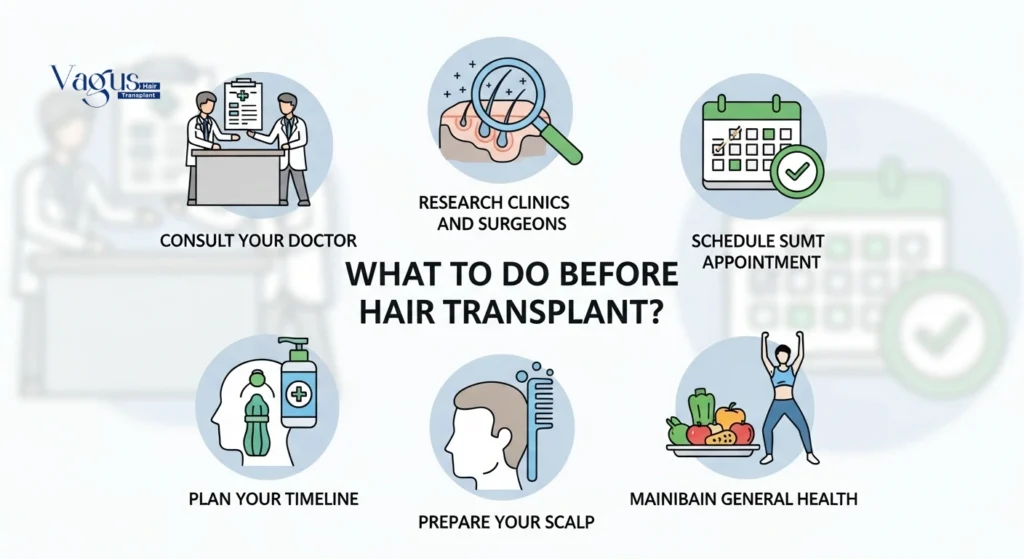
The most important things to do before hair transplant include consulting your doctor, sharing your medical history, quitting smoking and alcohol, adjusting certain medications, following a scalp care routine, eating a healing-friendly diet, and arranging support for surgery day. Proper preparation helps ensure smoother surgery, faster recovery, and better long-term results.
Introduction
If you’re planning a hair restoration procedure, you’ve probably wondered what to do before hair transplant for the best outcome. The truth is, success doesn’t just depend on the surgeon’s skill, it also relies on your preparation. Knowing what to do before hair transplant ensures smoother healing, healthier regrowth, and results that look natural. This to do before hair transplant guide will walk you through essential pre-hair transplant steps, covering everything from lifestyle adjustments to scalp care. Think of it as your personal transplant checklist filled with simple but powerful pre-surgery hair tips to get you ready for the journey.
Why Preparation Before a Hair Transplant Matters
Understanding the Importance of Pre-Transplant Preparation
Taking time to prepare your body and scalp before hair surgery is vital. Good hair transplant planning helps minimize risks, reduces discomfort, and improve the overall success rate. Patients who prepare often notice quicker recovery times and healthier regrowth.
How Preparation Affects Results and Recovery
Skipping preparation can slow healing or lead to complications. On the other hand, following a structured hair transplant prep routine sets the stage for better graft survival and long-lasting results.
Common Mistakes Patients Make Before Surgery
- Ignoring medical advice and continuing harmful medications
- Smoking or drinking right up until the procedure
- Failing to prepare their scalp properly
- Entering surgery with unrealistic expectations
Avoiding these mistakes keeps your recovery smoother and your results more natural.
Medical Consultation and Initial Checks
Why a Professional Assessment Is the First Step
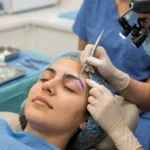
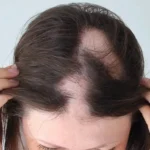
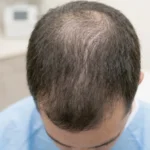
A professional consultation is not just a formality; it’s the foundation of your hair transplant journey. During this stage, your surgeon carefully examines your scalp to assess donor hair density, hairline design, and the overall feasibility of the procedure. This step also allows the doctor to understand your expectations and align them with realistic outcomes. Think of it as hair transplant planning tailored to your unique needs. A proper consultation reduces risks, clears doubts, and ensures that the surgery is designed specifically for you.
Tests and Medical History Your Doctor May Ask For
To guarantee your safety, doctors usually request basic health screenings like blood tests, blood pressure monitoring, and sometimes an ECG if you have underlying conditions. They’ll also review your complete medical history, including past surgeries, chronic illnesses like diabetes or hypertension, and any allergies. Medications such as blood thinners, antidepressants, or even over-the-counter supplements must be disclosed, as they may interfere with healing or increase bleeding risk. Providing accurate information helps your doctor make adjustments, prescribe safe alternatives, and plan the procedure without unnecessary complications.
Lifestyle Changes To Do Before Hair Transplant
Quit Smoking and Alcohol: How It Impacts Healing
Smoking reduces blood flow to the scalp, while alcohol thins the blood; both can slow healing. Ideally, stop smoking at least 2 weeks before and avoid alcohol for 1 week before surgery.
Managing Stress and Improving Sleep for Better Recovery
Stress and lack of sleep affect your immune system. Practice relaxation techniques and aim for 7–8 hours of sleep nightly to improve post-surgery recovery.
Medications and Supplements
Medicines to Stop Before Surgery
Certain drugs like aspirin, blood thinners, and some vitamins (such as Vitamin E) can increase bleeding risk. Always consult your surgeon before stopping or adjusting medication.
Safe Supplements That May Support Scalp Health
Zinc, biotin, and omega-3 fatty acids may help with hair health, but confirm with your doctor before adding them.
Hair and Scalp Care Routine
Should You Cut or Shave Your Hair Before Transplant?
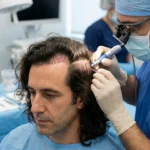
It’s tempting to shave your head before surgery, but this is usually not recommended unless your doctor specifically advises it. Most clinics prefer to manage trimming themselves on the day of the procedure, as they know exactly how much hair should be shortened for better graft extraction and placement. Keeping your hair as it is also helps the hair transplant surgeon assess natural density and direction during pre-hair transplant planning.
Cleaning and Moisturizing Your Scalp Correctly
The day before surgery, wash your hair with a mild shampoo to remove oil, dirt, and product buildup. This reduces the chance of infection and ensures a clean surface for graft insertion. Avoid using gels, sprays, or heavy conditioners afterward, as they can leave residue on the scalp. If your scalp tends to be dry, your doctor may suggest a light moisturizer in the days leading up to surgery to improve skin health and healing capacity.
Nutrition and Diet Preparation
Practical Preparations for Surgery Day
Arranging Transport and Aftercare Support
Since you won’t be able to drive yourself home, arrange for a friend or family member to pick you up. Also, plan who will help you for the first 24–48 hours.
What to Wear and Bring to the Clinic
Wear loose, button-up clothing so you don’t pull clothes over your head. Bring any prescribed medicines, ID, and emergency contact details.
Mental and Emotional Readiness
Setting Realistic Expectations About Results
Hair transplant results don’t appear overnight. Full growth may take 9–12 months. Having realistic expectations avoids disappointment.
Coping With Surgery Anxiety
It’s natural to feel nervous. Breathing exercises, meditation, or speaking openly with your doctor can ease anxiety.
Final Thoughts
Preparing well before surgery is the key to success. Begin with a medical consultation and share your full history, quit smoking and alcohol, and avoid medicines or supplements that may cause complications. Keep your scalp clean, eat a balanced diet, and arrange transport and support for recovery. Above all, manage expectations and stay relaxed. By following this to do before hair transplant checklist, you set yourself up for smooth healing and lasting, natural results.
Frequently Asked Questions
Can I wash my hair the night before surgery?
Yes, in fact, most doctors recommend washing with mild shampoo the night before to keep the scalp clean.
How many days before should I stop smoking?
Ideally, 2 weeks before, but at least 7 days before is critical.
Do I need to stop minoxidil/finasteride before transplant?
Your doctor may advise pausing minoxidil a week before and resuming after recovery. Finasteride is usually continued, but always follow medical advice.