Platelet-rich plasma (PRP) injections are a popular non-surgical treatment that harnesses the body’s own natural healing properties to stimulate tissue repair and regeneration. By concentrating platelets from the patient’s blood and injecting them into targeted areas, PRP injections help address a variety of medical and aesthetic concerns, from hair loss to joint pain and skin rejuvenation. The process is relatively safe, involves minimal downtime, and offers a natural alternative to surgery.
Introduction
Platelet-rich plasma (PRP) injections are gaining significant attention in the medical and cosmetic fields. This treatment uses the body’s own platelets to heal and regenerate tissues, offering a non-surgical solution for a variety of conditions. In this blog, we will explore what are Platelet Rich Plasma injections are, how they work, their benefits, and why they are becoming a go-to treatment for hair loss, joint pain, and skin rejuvenation. Let’s dive into the science behind PRP and how it can help promote natural healing.
How Do Platelet Rich Plasma Injections Work?
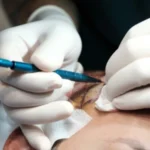
Platelet-rich plasma injections involve collecting a small sample of the patient’s blood, processing it to concentrate the platelets, and then injecting this concentrated plasma into the targeted area. The high concentration of platelets accelerates the body’s healing process by promoting tissue regeneration.
The Science Behind PRP
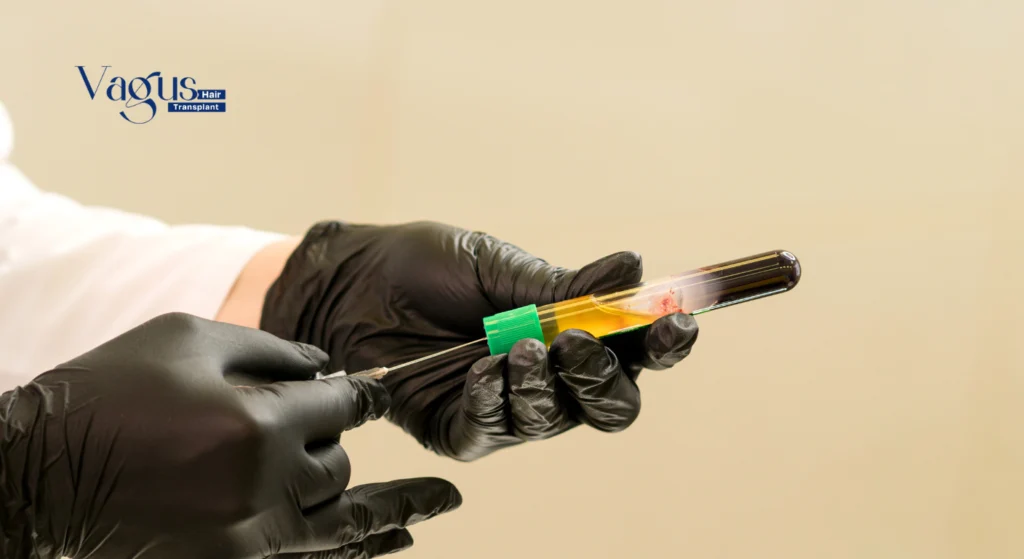
The PRP procedure starts with a blood draw, which is then processed in a centrifuge to separate the plasma from other blood components. The resulting platelet-rich plasma contains a higher concentration of growth factors, proteins, and other elements that promote healing.
How Platelets Promote Healing
Platelets play a crucial role in tissue repair. When injected into a specific area, they release growth factors that stimulate cell growth, encourage collagen production, and increase blood supply to the injured tissue. This process accelerates healing and promotes tissue regeneration, making PRP an effective solution for many medical conditions.
Common Uses of Platelet Rich Plasma Injections
Platelet-rich plasma injections have a wide range of applications, particularly in the fields of dermatology, orthopaedics, and hair restoration.
PRP for Hair Loss
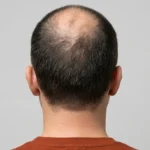
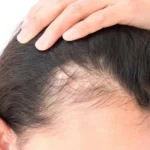
One of the most well-known uses of PRP is in treating hair loss, particularly for individuals with androgenic alopecia (male or female pattern baldness). PRP injections help stimulate the hair follicles, promoting new hair growth and thickening existing hair.
PRP for Joint Pain and Osteoarthritis
PRP has shown effectiveness in treating chronic joint pain, especially in cases of osteoarthritis. Injecting PRP into the affected joint helps reduce inflammation, repair damaged tissue, and improve mobility.
PRP for Skin Rejuvenation
PRP is increasingly used in aesthetic treatments for skin rejuvenation. Injecting PRP into the skin helps improve skin texture, reduce wrinkles, and treat scars. The growth factors in PRP stimulate collagen production, giving the skin a youthful appearance.
Other Medical Applications of PRP
PRP is also used to treat tendon injuries, ligament repair, and wound healing. Its versatility makes it a valuable treatment option for a variety of conditions.
What Are the Benefits of Platelet Rich Plasma Injections?
PRP offers several advantages, especially for individuals seeking a non-surgical alternative to traditional treatments.
Non-Surgical Option
PRP injections are a minimally invasive treatment that avoids the need for surgery, making it an appealing option for individuals looking to address medical or aesthetic concerns without going under the knife.
Natural Healing
Since PRP uses the body’s own platelets, it promotes faster healing with minimal risk of rejection or complications. This natural approach helps the body heal itself and avoid the side effects of synthetic treatments.
Minimal Downtime
Compared to surgery or more invasive procedures, PRP injections require little downtime. Most patients can return to normal activities shortly after treatment, making it an attractive option for those with busy lifestyles.
Is PRP Treatment Safe?
PRP therapy is generally considered safe, as it uses the patient’s own blood, minimising the risk of allergic reactions or infections. However, as with any medical procedure, there are potential risks and side effects to consider.
Potential Risks and Side Effects
While side effects are rare, some patients may experience mild discomfort, bruising, or swelling at the injection site. More serious complications, such as infection, are very uncommon due to the use of the patient’s own blood.
Who Should Avoid PRP Therapy?
Individuals with certain conditions, such as active infections, blood disorders, or certain skin conditions, may not be suitable candidates for PRP therapy. It’s important to consult with a healthcare professional before undergoing the treatment.
What to Expect During a Platelet Rich Plasma Procedure?
The PRP procedure is relatively simple and can be done in a doctor’s office.
Step-by-Step Process
- Consultation: A healthcare professional evaluates your condition and discusses your goals.
- Blood Draw: A small amount of blood is drawn, typically from the arm.
- Centrifugation: The blood is processed in a centrifuge to separate platelets from other blood components.
- Injection: The concentrated PRP is injected into the targeted area.
Pain and Recovery
The procedure is relatively quick, and most patients experience only mild discomfort. Recovery time is minimal, and patients can typically resume their normal activities within a few days.
How Effective Are Platelet Rich Plasma Injections?
PRP has shown promising results in various clinical studies, with many patients reporting noticeable improvements in their condition.
Scientific Evidence and Studies
Numerous clinical studies support the effectiveness of PRP in treating hair loss, joint pain, and skin rejuvenation. While results can vary, many patients see significant improvement after a few sessions.
What to Expect in Terms of Results
Results from PRP therapy may not be immediately apparent. It often takes several weeks to a few months to see visible improvements, depending on the condition being treated.
How Much Do Platelet Rich Plasma Injections Cost?
The cost of PRP therapy varies depending on the area being treated, the clinic, and the number of sessions required.
Cost of Treatment
PRP treatments can range from $500 to $2,000 per session, depending on the treatment area. Multiple sessions may be required for optimal results.
Insurance Coverage
In most cases, PRP therapy is not covered by insurance, as it is considered an elective treatment. However, some health plans may cover it for certain medical conditions, such as osteoarthritis.
Is Platelet Rich Plasma Right for You?
If you’re considering PRP injections, it’s important to consult with a healthcare professional to determine if it’s the right treatment for your needs.
Consulting with a Professional
A doctor can help assess your medical history and recommend a treatment plan tailored to your goals.
PRP vs. Other Treatments
PRP is often compared to other treatments, such as stem cell therapy or corticosteroid injections. While PRP has shown promising results, it may not be the best option for every individual.
Final Thoughts
Platelet-rich plasma injections are an effective, minimally invasive option for addressing a range of medical and aesthetic concerns. Whether you’re seeking hair restoration, joint pain relief, or skin rejuvenation, PRP can help accelerate healing and promote natural regeneration. Consult with a professional to determine if PRP is right for you.
Frequently Asked Questions
- Are PRP injections painful?
Most patients report minimal discomfort during the procedure, but pain levels vary from person to person. - How many sessions are needed?
Typically, 3 to 4 sessions are recommended for optimal results, spaced a few weeks apart. - Can PRP be used for facial rejuvenation?
Yes, PRP is commonly used for skin rejuvenation and the reduction of wrinkles. - Does PRP work for chronic conditions like arthritis?
Yes, PRP has been shown to help reduce pain and inflammation in conditions like osteoarthritis.
Ready to Revitalise Your Hair? Book a Consultation with Vagus Hair Transplant Today and Discover the Benefits of Platelet Rich Plasma Therapy!