What does PRP stand for? Platelet-Rich Plasma (PRP) is a medical treatment that uses your own blood to promote healing and rejuvenation.
It is commonly used for hair restoration, joint injuries, and aesthetic procedures like skin rejuvenation. PRP works by concentrating platelets to accelerate healing, offering a natural, non-invasive solution with minimal risks and recovery time.
Introduction
Platelet-Rich Plasma (PRP) has become a popular treatment option in the medical world, but what exactly does PRP stand for? PRP is a medical treatment that uses your own blood to accelerate healing and rejuvenate the skin, joints, and hair.
In this guide, you’ll learn everything you need to know about PRP, its uses, benefits, and what you can expect from the treatment process.
What Is PRP?
Definition of Platelet-Rich Plasma
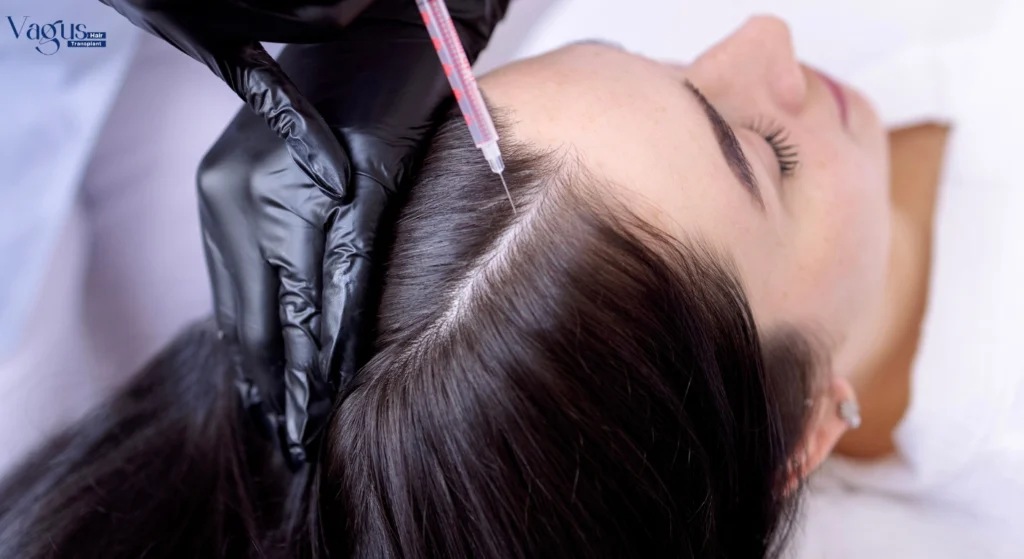
PRP stands for Platelet-Rich Plasma. It is a treatment that harnesses the healing power of your own blood. The process involves taking a small sample of your blood, which is then processed to isolate the platelets a type of cell that promotes healing. These platelets are then re-injected into specific areas of your body to encourage faster healing and rejuvenation.
How PRP Is Collected
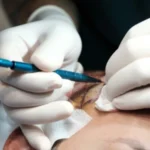
The PRP procedure begins with a simple blood draw, similar to a routine blood test. The blood is placed in a centrifuge, a machine that spins the blood at high speeds to separate the platelets from the rest of the blood components. The concentrated platelets are then prepared for injection into the target area. This procedure is minimally invasive, typically requiring no stitches or extended recovery time.
Uses of PRP in Medicine
PRP in Hair Restoration
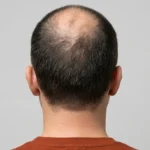
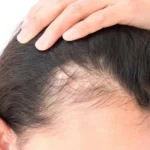
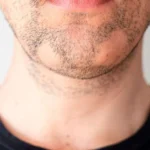
One of the most common applications of PRP is in hair restoration. PRP is used to treat hair loss, particularly for conditions like male and female pattern baldness. The concentrated platelets are injected into the scalp, where they stimulate hair follicles, encouraging hair growth and preventing further hair thinning. Clinical studies have shown that PRP can help improve hair thickness and density over time.
PRP in Orthopedics and Injury Treatment
PRP has also gained popularity in orthopedic medicine for its ability to treat joint pain, tendon injuries, and muscle strains. By injecting PRP into areas affected by injuries, such as the knees, elbows, or shoulders, it can reduce inflammation and promote tissue healing. Athletes and individuals with chronic injuries often turn to PRP for quicker recovery and enhanced healing.
PRP in Skin and Aesthetic Treatments
In the field of aesthetics, PRP is used to rejuvenate the skin. Known as the “Vampire Facelift,” this treatment involves injecting PRP into the skin to reduce wrinkles, fine lines, and acne scars. It stimulates collagen production, which helps to restore youthful skin appearance. PRP can also be used for other cosmetic procedures, such as improving skin tone and texture.
Why Is PRP Becoming Popular?
Benefits of PRP
PRP has gained widespread attention because it offers several advantages. First, it uses your own blood, which minimizes the risk of allergic reactions or complications. Second, the treatment promotes faster recovery, especially for injuries or skin treatments. Lastly, PRP is a non-surgical procedure, making it a more accessible and less invasive option for many patients.
PRP vs. Other Treatments
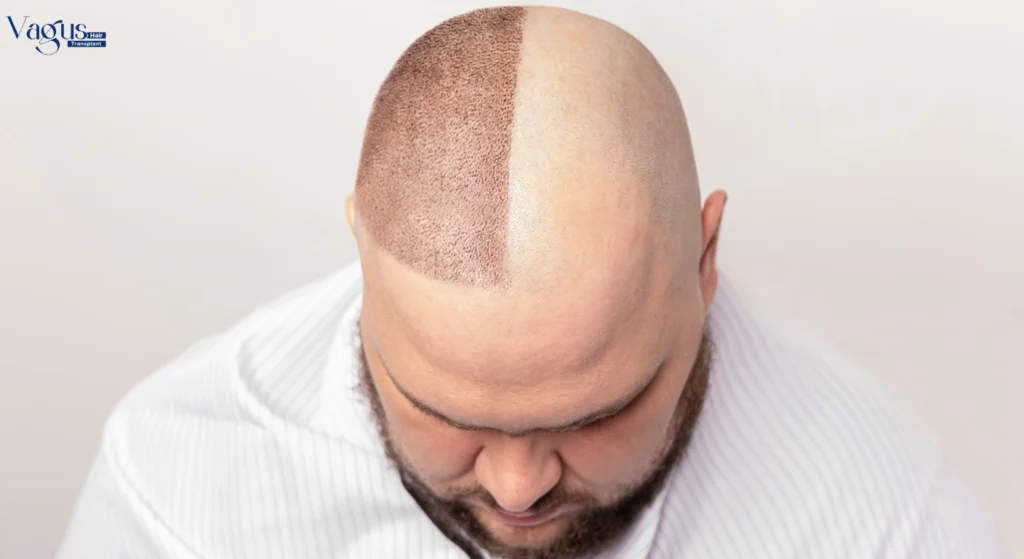
Compared to traditional treatments like cortisone injections or surgery, PRP offers a more natural approach to healing. While cortisone may provide short-term relief, PRP accelerates long-term healing without the side effects of steroids. For hair restoration, PRP is often seen as a non-invasive alternative to hair transplants, although it can be used in combination with them for enhanced results.
Is PRP Safe?
Common Side Effects of PRP
PRP is generally considered a safe procedure with minimal risks. Since the treatment uses your own blood, the chances of an allergic reaction are very low. However, some patients may experience temporary side effects such as swelling, redness, or bruising at the injection site. These effects usually subside within a few days.
Potential Risks
While the risks are minimal, some people may experience more severe side effects, such as infection or nerve damage. These risks are rare and can be minimized by ensuring the procedure is performed by a qualified professional in a sterile environment.
What to Expect During a PRP Treatment?
The PRP Procedure Step by Step
- Blood Draw: A small sample of blood is taken from your arm.
- Centrifuge Process: The blood is placed in a centrifuge to separate the platelets from the plasma.
- Injection: The PRP is injected into the target area, such as the scalp, joint, or face.
- Aftercare: You may experience minor swelling or discomfort, but there is no significant downtime.
Recovery Time After PRP
One of the key benefits of PRP is that the recovery time is minimal. After the procedure, you can usually return to your regular activities within a day or two. However, for more intensive treatments like hair restoration or joint injections, it may take several weeks to see full results. For optimal recovery, it’s important to follow any aftercare instructions provided by your healthcare provider.
Final Thoughts on PRP Treatment
When Should You Consider PRP?
PRP may be right for you if you’re dealing with hair loss, chronic joint pain, or want to enhance the appearance of your skin without undergoing surgery. It’s particularly effective for individuals looking for natural, non-invasive treatments.
Can PRP Be Combined with Other Treatments?
Yes, PRP can be used in conjunction with other treatments like hair transplants or physical therapy for better results. Always consult with a medical professional to determine the best approach for your condition.
Ready to experience the benefits of PRP?
PRP Treatment FAQs
How Long Does It Take for PRP to Work?
The effects of PRP are not immediate. For hair restoration, it may take several months before you notice visible improvements. In terms of joint injuries, you may begin to feel relief within a few weeks.
How Many PRP Sessions Are Needed?
Depending on the condition being treated, you may require multiple sessions. For hair restoration, 3-4 sessions spaced a month apart are typically recommended. For joint injuries, you may need 1-3 sessions for optimal results.
Who Should Avoid PRP Treatment?
PRP is not suitable for individuals with blood disorders, active infections, or certain chronic illnesses. Pregnant women and individuals on blood-thinning medications should also consult their doctor before undergoing PRP treatment.