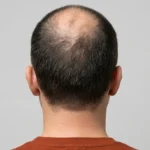
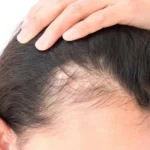
Hair thinning is a widespread concern that affects both men and women at various stages of life. When users search for hair thinning, they are often looking for insights into its causes, prevention methods, and treatment options. Whether due to genetics, hormonal changes, stress, or medical conditions, hair thinning can be managed with the right approach.
This article offers a comprehensive guide to understanding What is Hair Thinning, exploring effective solutions and treatments. It covers both natural remedies and medical interventions, providing valuable information on how to prevent and reverse thinning hair, promoting thicker, healthier growth. Whether you’re concerned about hair thinning in women or seeking general solutions for hair thinning, you’ll find practical advice for addressing this common issue.
What Causes Hair Thinning?
- Genetic Factors: Genetics plays a significant role in hair thinning. If your family has a history of hair loss, you are more likely to experience it as well.
- Hormonal Changes: Hormonal imbalances, such as those during pregnancy, menopause, or due to thyroid problems, can contribute to hair thinning.
- Stress and Lifestyle Factors: Chronic stress, poor diet, and lack of sleep can all lead to hair thinning. A well-balanced lifestyle is key to preventing hair loss.
- Medical Conditions: A variety of medical conditions, including anemia, autoimmune diseases, and scalp infections, can lead to thinning hair.
- Medications: Certain medications like chemotherapy drugs, anticoagulants, and steroids may cause hair thinning as a side effect.
How to Prevent Hair Thinning Naturally
Prevention is always better than cure, and there are several ways to prevent hair thinning naturally:

Maintain a Healthy Diet: A well-balanced diet rich in vitamins and minerals, especially iron, vitamin D, and biotin, can promote healthy hair growth. Foods like spinach, eggs, and nuts can be excellent for hair health.
Scalp Care: Regular scalp massages can help stimulate hair follicles and improve circulation to the scalp. Additionally, using gentle, sulfate-free shampoos designed for hair thinning can reduce hair damage.
Reduce Stress: Practices such as yoga, meditation, and mindfulness can help reduce stress, a major contributor to hair thinning.
Stay Hydrated: Drinking plenty of water and maintaining hydration supports overall health, including hair health.
Hair Thinning Treatments: What Are Your Options?
If you’re already dealing with hair thinning, there are various hair thinning treatments available to help reverse or manage the condition. Here are some of the most effective options:
Medications for Hair Thinning:
Minoxidil: Over-the-counter topical treatment that stimulates hair growth.
Finasteride: Oral medication used to reduce hair thinning by blocking the hormone DHT.
Hair Transplants: A more permanent solution, hair transplants involve moving hair follicles from one area of the scalp to the thinning or balding areas. This can help achieve natural and fuller hair growth.
Platelet-Rich Plasma (PRP) Therapy: PRP therapy involves injecting your own blood’s plasma into the scalp to stimulate hair follicles and promote hair regrowth.
Laser Therapy: Low-level laser therapy (LLLT) can stimulate hair follicles and improve the health of the scalp, helping to regrow hair.
Hair Thinning Solutions for Women
While hair thinning in women is often more subtle than in men, it is still a significant concern. Hair thinning in women is often caused by hormonal changes, especially during menopause or pregnancy. Here are some solutions specifically designed for women:
Topical Solutions:
Shampoos and conditioners formulated with biotin, caffeine, and niacin can help thicken and strengthen hair.
Hair Growth Serums: There are several hair thinning hairline fixes and serums designed to address thinning hair along the hairline and crown.
Hair Supplements: Taking supplements containing vitamin E, zinc, and B vitamins can promote hair health.
How to Regrow Thinning Hair: Proven Tips and Treatments
Regrowing thinning hair can take time, but it is possible with the right approach. Here are some proven tips:
Use Hair Thinning Products: Invest in shampoos for hair thinning that contain biotin, keratin, and collagen to promote hair strength.
Stay Consistent with Treatments: Whether you’re using Minoxidil or PRP therapy, consistency is key to seeing results in thinning hair.
Adopt a Healthy Lifestyle: Focus on improving your diet and reducing stress to create the best possible conditions for hair regrowth.
Effective Hair Thinning Home Remedies
Some natural remedies for hair thinning can complement traditional treatments. Here are some hair thinning home remedies:
- Aloe Vera: Aloe vera has soothing properties that help promote hair growth and prevent hair thinning.
- Castor Oil: Rich in omega-6 fatty acids, castor oil can nourish the scalp and improve hair thickness.
- Onion Juice: Onion juice is believed to boost circulation and promote hair regrowth when applied to the scalp.
Final Thoughts
Hair thinning is a common issue, but with the right knowledge and treatments, it can be effectively managed or even reversed. Whether you’re looking for natural remedies for hair thinning, effective hair thinning treatments, or hair thinning prevention tips, there are a variety of options available. Start with understanding the causes of hair thinning and incorporate the right solutions for your specific needs.
Vagus Hair Transplant: A Permanent Solution for Hair Thinning
For those dealing with advanced or persistent hair thinning, Vagus Hair Transplant offers a highly effective and permanent solution. As a state-of-the-art hair restoration method, Vagus Hair Transplant uses advanced techniques to relocate healthy hair follicles from one part of the scalp to the thinning or balding areas. This procedure provides natural-looking results and restores the density of hair, significantly improving the overall appearance. Unlike temporary solutions like topical treatments or medications, a hair transplant addresses the root cause of thinning hair by rebuilding hair growth from within. Whether you’re dealing with receding hairlines, crown thinning, or complete bald spots, Vagus Hair Transplant offers a reliable option for those seeking lasting and transformative results in their hair restoration journey. You can take proactive steps toward achieving thicker, healthier hair. Don’t wait until the problem worsens; take action today to restore your hair confidence!
Frequently Asked Questions
1. Can hair thinning be reversed?
Yes, depending on the cause, hair thinning can be reversed or managed with the right treatment. Early intervention offers the best chance for regrowth.
2. What is the best shampoo for hair thinning?
Shampoos containing biotin, niacin, and caffeine are some of the best options for those with thinning hair.
3. Are there any natural remedies for hair thinning?
Yes, remedies like aloe vera, castor oil, and onion juice have been shown to support hair regrowth.
4. What causes hair thinning in women?
Hormonal changes, stress, poor nutrition, and certain medical conditions can contribute to hair thinning in women.