Exosomes are small vesicles released by cells that play a crucial role in cell communication. Where do exosomes come from?
They are formed inside cells through the endosomal pathway and are released into body fluids like blood, urine, and saliva.
Their origin varies, with exosomes being produced by many cell types, including stem cells and immune cells, making their composition and function critical for their medical and therapeutic applications.
Introduction
Exosomes are tiny vesicles secreted by cells that carry vital information and influence the behavior of other cells. Where do exosomes come from is a common question in cell biology and medicine, as understanding their origin is essential for both research and therapeutic applications.
In this article, we will explore how exosomes are formed, their sources in the body, and why knowing their origin matters in clinical and cosmetic treatments. By the end, you’ll have a clear understanding of exosome biogenesis, sources, and their significance in health and disease.
What Are Exosomes?
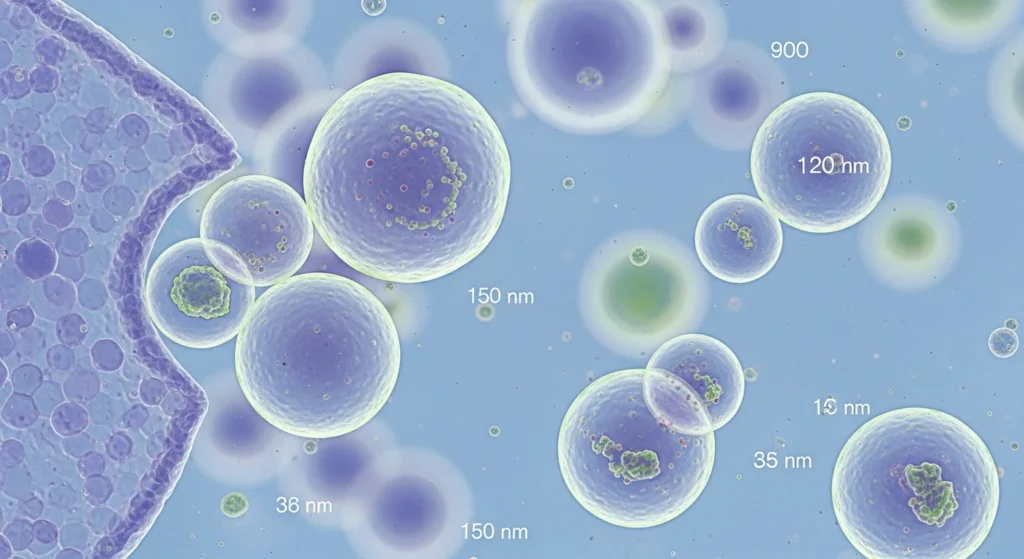
Exosomes are small, membrane-bound vesicles, typically measuring 30–150 nm in diameter. They are released from cells into the extracellular space and can be found in nearly all body fluids, including blood, urine, and saliva.
These tiny particles play a critical role in intercellular communication by transferring proteins, lipids, and nucleic acids between cells. This transfer allows exosomes to influence various biological processes, such as immune responses, tissue regeneration, and disease progression.
Understanding where do exosomes come from is important because their origin directly affects their composition and function. Exosomes can be derived from any cell type, and their cargo often reflects the state and type of the cell they originated from.
How Are Exosomes Formed? (Biogenesis of Exosomes)
Exosomes are formed through a complex process within cells called biogenesis. The process begins with the internalization of membrane proteins or lipids by the cell. Here’s how the formation process works:
- Endosomal pathway: Exosome formation starts when the cell’s internal membrane system, called the endosome, engulfs cargo like proteins, RNA, and lipids.
- Multivesicular body (MVB) formation: The endosome matures into a multivesicular body, which contains small vesicles, known as intraluminal vesicles (ILVs). These vesicles will eventually become exosomes.
- Exosome release: The MVB fuses with the plasma membrane, and the ILVs are released into the extracellular space as exosomes.
Exosome biogenesis is crucial because it determines the content that exosomes carry and, therefore, their potential applications in therapies and diagnostics.
Where Do Exosomes Come From — Sources Across the Body & Beyond
Exosomes are not just produced by one type of cell or tissue. In fact, almost all human (mammalian) cells can release exosomes, which makes understanding their source vital for therapeutic purposes.
Cell-Type Origins
Exosomes can come from a wide range of cell types, including:
- Stem cells: Mesenchymal stem cells (MSCs), for example, are widely researched for their regenerative potential. Exosomes derived from MSCs carry regenerative proteins that can aid tissue repair.
- Immune cells: Exosomes from dendritic cells, T-cells, and macrophages play a crucial role in immune system signaling.
- Red blood cells: Even erythrocytes (red blood cells) can produce exosomes that are involved in cell-to-cell communication.
Body Fluid and Tissue Sources
Exosomes are abundant in various body fluids, and their composition can vary based on their source. Key sources include:
- Blood/serum: Exosomes derived from blood are commonly used in research as biomarkers for diseases like cancer, heart disease, and neurological conditions.
- Urine and saliva: These fluids are increasingly being used for non-invasive diagnostic techniques, as they contain exosomes that reflect the health of the kidneys and mouth, respectively.
- Breast milk: Exosomes in breast milk have been shown to play a role in neonatal immunity and development.
Therapeutic / Lab-Derived Sources
Exosomes are also derived from cell cultures in the lab, particularly for therapeutic uses:
- Stem cell-derived exosomes are used in clinical trials for tissue repair and regenerative medicine.
- Cell culture-derived exosomes are prepared from various cell types to study their potential for drug delivery, gene therapy, or cancer treatment.
Understanding the origin of exosomes is critical for tailoring therapies, as different sources provide different bioactive molecules.
Why the Origin Matters: Function and Implications
The origin of exosomes plays a significant role in their function. Since exosomes carry the molecular cargo from their parent cells, the composition of their proteins, RNA, and lipids depends on the type of cell that produced them.
Diagnostic Use
Exosomes can be used as biomarkers to detect diseases like cancer. For example, exosomes derived from cancer cells carry genetic material specific to the tumor, which can be detected in blood tests, allowing for early diagnosis.
Therapeutic Use
In regenerative medicine, stem cell-derived exosomes are used to promote tissue healing. Since these exosomes carry regenerative proteins and RNA, they can be used to treat conditions like joint degeneration, heart disease, and neurological disorders.
Safety and Regulatory Aspects
Exosome therapies are under rigorous study and regulation. The source of exosomes matters because using exosomes from non-human or unregulated sources could pose safety risks. Regulatory bodies, such as the FDA, are developing guidelines to ensure that exosome therapies meet safety and efficacy standards.
How Scientists Obtain Exosomes: Isolation & Preparation
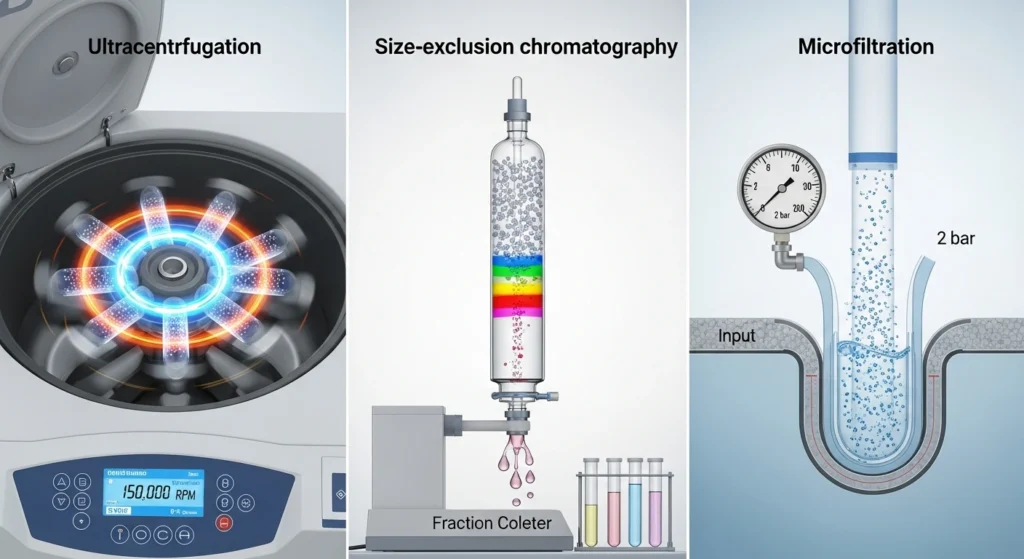
The isolation and preparation of exosomes are key to their application in research and medicine. The most common methods used to extract exosomes from biological samples include:
- Ultracentrifugation: This technique uses high-speed spinning to separate exosomes from other particles in a fluid sample. It’s the gold standard for exosome isolation.
- Size-exclusion chromatography: This method separates particles based on their size, allowing scientists to isolate pure exosomes from other vesicles or contaminants.
- Microfiltration: This process uses filters to capture exosomes based on size.
Researchers are working on improving these techniques to enhance the yield and purity of exosomes from various sources, ensuring the highest quality for therapeutic use.
Common Questions (FAQs) About Exosome Origin
Q1: Where exactly in the cell do exosomes come from?
Exosomes are formed inside the cell through the endosomal pathway and are released when multivesicular bodies (MVBs) fuse with the cell membrane.
Q2: Are exosomes only produced by stem cells?
No, exosomes can be produced by many different types of cells, including immune cells, red blood cells, and epithelial cells.
Q3: Can exosomes be derived from plants or animals?
Yes, exosomes can also be derived from plants and animals, though most research focuses on human or mammalian sources for therapeutic and diagnostic purposes
Q4: How does the source affect the safety and effectiveness of exosome therapies?
The source of exosomes influences their cargo and therapeutic properties, making it essential to use high-quality, safe sources, particularly in clinical treatments.
Q5: How to tell if an exosome product is derived from a reliable source?
Look for products backed by clinical studies, transparent sourcing information, and certifications that ensure the exosomes are of high quality and purity.
Where Do Exosomes Come From — Final Thoughts
Exosomes are small vesicles with a wide range of biological functions, derived from many different types of cells and tissues. Their origin is crucial, as it affects their composition and potential use in medical treatments, diagnostics, and cosmetics. Understanding the sources of exosomes helps ensure they are used safely and effectively in research and clinical practice.
If you’re considering exosome therapies for regenerative medicine or cosmetic treatments, contact us today to speak with a specialist about your needs and to learn more about how exosome sourcing affects your treatment.