Hair thinning is a common concern that many individuals face, often leading to reduced self-esteem and confidence. There are several factors that contribute to hair thinning, including genetic hair loss, hormonal imbalances, stress, medical conditions, and nutritional deficiencies. Understanding the underlying causes of hair thinning is essential for identifying effective treatments and preventive measures. This blog will explore the primary causes of hair thinning and provide practical solutions to manage and address it, including treatment options like Minoxidil, DHI, and lifestyle adjustments.
Introduction
Hair thinning is a gradual process where the hair density decreases, resulting in finer or more sparse hair. Many individuals experience thinning hair as they age, but it can also occur earlier in life due to various factors. Understanding the causes of hair thinning is essential in order to take proactive steps in treating and preventing it.
In this article, we will explore the causes of hair thinning and discuss the best ways to manage and treat it. Whether it’s caused by genetic hair loss, stress-induced hair loss, or other factors, there are ways to slow down or reverse the process. Thinning hair treatment options vary from topical treatments to advanced procedures like Direct Hair Implantation (DHI). Let’s dive into the most common causes of hair thinning and how you can address them effectively.
Related; Medical treatment for hair loss
1. Common Causes of Hair Thinning
Genetic Factors: The Role of Heredity
One of the most common causes of hair thinning is genetic hair loss, also known as androgenetic alopecia. This condition is inherited and typically affects both men and women, though it’s more noticeable in men. Genetic hair loss often results in a receding hairline or thinning at the crown.
Hormonal Changes and Imbalances
Hormonal changes can have a significant impact on hair health. For women, changes in hormones due to pregnancy, menopause, or birth control can lead to thinning hair. Similarly, conditions like polycystic ovary syndrome (PCOS) in women and testosterone imbalances in men can also contribute to hair thinning.
Stress and Lifestyle Impacts
Stress-induced hair loss is a well-documented phenomenon. When the body undergoes stress, it can cause hair follicles to enter a resting phase, resulting in increased shedding. Emotional stress, physical trauma, and even drastic lifestyle changes can trigger this condition. Long-term stress can even contribute to telogen effluvium, a form of hair loss where large amounts of hair fall out simultaneously.
Medical Conditions that Lead to Thinning Hair
Certain medical conditions such as thyroid disorders, autoimmune diseases, and scalp infections can cause thinning hair. Conditions like alopecia areata, where the immune system attacks hair follicles, lead to patchy hair loss. Understanding the medical conditions contributing to hair thinning can help in finding the right treatment options.
Nutritional Deficiencies and Hair Thinning
A poor diet can also result in hair thinning. Deficiencies in essential nutrients like iron, vitamin D, biotin, and zinc are linked to hair loss. Maintaining a balanced diet with the right vitamins and minerals is crucial for promoting healthy hair growth.
2. Signs and Symptoms of Thinning Hair
How to Recognize Early Signs of Hair Thinning
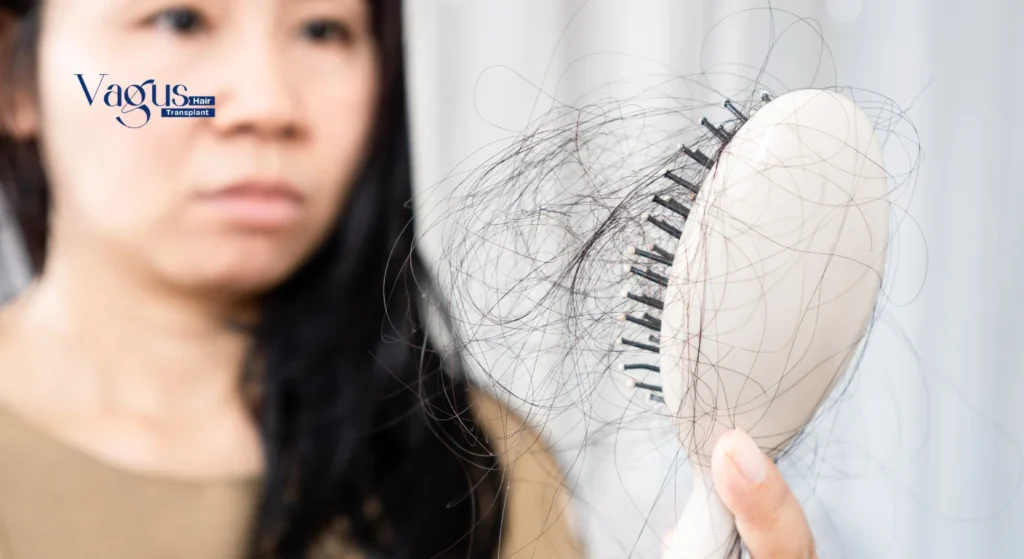
Recognizing the early signs of hair thinning can help you take early action. Look out for increased hair shedding, a wider parting, or the appearance of thinning areas on the scalp. If you notice more hair on your pillow or in your comb, it’s important to monitor the situation.
Differences Between Normal Hair Shedding and Thinning Hair
It’s normal to shed some hair each day. However, if you’re shedding more than 100 strands a day or noticing thinning areas, you may be experiencing hair thinning. Thinning hair is typically more gradual than hair shedding, with noticeable changes in hair density over time.
Thinning vs. Balding: What’s the Difference?
While thinning hair refers to a gradual reduction in hair volume, balding often refers to complete hair loss in certain areas. Understanding whether you’re dealing with thinning or balding can help you choose the appropriate treatment.
3. Prevention and Treatment Options for Hair Thinning
Dietary Changes to Promote Healthy Hair Growth
Eating a well-balanced diet rich in vitamins, minerals, and proteins can support hair health. Foods like leafy greens, eggs, and lean meats are excellent choices to prevent hair thinning caused by nutritional deficiencies.
Topical Treatments: Shampoos, Serums, and Oils
There are various over-the-counter products designed to treat thinning hair. Minoxidil, a common topical treatment, is FDA-approved for hair regrowth. Other options include shampoos, serums, and oils formulated with ingredients like biotin, caffeine, or keratin.
Medical Treatments: Minoxidil and Other Options
For more severe cases of hair thinning, prescription treatments may be necessary. Minoxidil is widely used to promote hair regrowth, and in some cases, finasteride can help reduce hair loss in men.
Hair Restoration Procedures: Is Surgery Right for You?
If other treatments haven’t been effective, hair restoration procedures like Direct Hair Implantation (DHI) may be considered. This procedure allows for more precise placement of hair follicles compared to traditional methods like FUE hair transplant and FUT, offering faster recovery and more natural results.
4. Natural Remedies for Hair Thinning
Herbal Treatments and Supplements for Thicker Hair
There are various herbal supplements and natural oils, such as rosemary oil, saw palmetto, and ginseng, that are believed to improve hair health and stimulate growth. Always consult with your surgeon before trying new supplements.
Essential Oils and Their Benefits for Hair Growth
Essential oils like lavender, peppermint, and tea tree oil are known for their ability to improve scalp health and stimulate hair follicles. They can be used in conjunction with other treatments for enhanced results.
5. Lifestyle Adjustments to Support Hair Health
How to Reduce Stress for Better Hair
Managing stress is crucial for preventing stress-induced hair loss. Practices like yoga, meditation, and regular exercise can help reduce stress levels and promote overall health, including hair health.
The Importance of Proper Hair Care Practices
Using gentle hair care products and avoiding excessive heat styling can help preserve your hair’s health. Avoid tight hairstyles that cause tension on the scalp, as this can lead to traction alopecia.
The Role of Sleep and Exercise in Preventing Hair Thinning
Getting enough sleep and staying physically active can contribute to better hormonal balance and reduced stress, both of which are vital for preventing hair thinning.
6. When to Seek Professional Help for Hair Thinning
Seeing a Dermatologist: What to Expect
If you’re concerned about hair thinning, a dermatologist can help diagnose the underlying cause and recommend the appropriate treatment. They may suggest blood tests or a scalp biopsy if necessary.
Understanding the Role of a Trichologist
A trichologist is a specialist who focuses on hair and scalp disorders. They can provide more targeted treatments for thinning hair and help with specific scalp conditions that may be contributing to hair loss.
7. Managing the Emotional Impact of Hair Thinning
How to Cope with the Psychological Effects of Hair Thinning
Hair thinning can affect your self-esteem, but it’s important to remember that you’re not alone. Seeking support from friends, family, or a therapist can help you manage the emotional impact of hair thinning.
Tips for Boosting Confidence While Dealing with Thinning Hair
Confidence can be maintained through haircuts that make thinning less noticeable, or even experimenting with wigs or hairpieces for a temporary change. Embrace your hair journey and focus on the steps you can take to improve it.
8.Final Thoughts
Managing hair thinning can be a challenging journey, but with the right treatments and lifestyle adjustments, you can slow down or reverse the process. Whether it’s through medical treatments, natural remedies, or lifestyle changes, there are many options available to promote hair health. Take proactive steps and consult with professionals to find the best solution for your needs.
Are you struggling with hair thinning? Don’t wait for it to get worse! Take control of your hair health today with the right treatment and lifestyle adjustments. Whether you choose medical treatments like Minoxidil, explore natural remedies, or seek professional help, there are effective solutions tailored to your needs.
Frequently Asked Questions
1. How can I stop my hair from thinning?
To stop hair thinning, consider using topical treatments like Minoxidil, improving your diet, reducing stress, and avoiding harsh hair treatments.
2. Is hair thinning reversible?
In many cases, hair thinning can be slowed or reversed with proper treatment, though the success varies depending on the cause.
3. When should I see a doctor for hair thinning?
If your hair thinning is sudden, severe, or accompanied by scalp conditions, it’s a good idea to consult a dermatologist or trichologist.
4. Can stress cause permanent hair loss?
While stress-induced hair loss is typically temporary, chronic stress can contribute to long-term thinning if not managed properly.
5. What is DHI and how is it different from FUE/FUT?
DHI (Direct Hair Implantation) is a hair transplant method that offers quicker recovery and more natural results compared to FUE/FUT. It involves precise placement of hair follicles directly into the scalp.