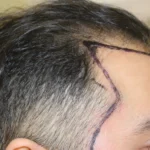
Medical treatment for hair loss offers various solutions to combat thinning hair and restore growth. FDA-approved options like minoxidil and finasteride can help slow hair loss, while more advanced treatments such as hair transplants and PRP therapy provide long-lasting results.
Starting treatment early is crucial for the best outcomes, and consistent care can lead to significant hair regrowth.
Introduction
Hair loss is a common concern that affects millions of people worldwide, leaving many searching for effective solutions. Medical treatment for hair loss can be an effective way to address thinning hair, slow down the process, and even restore lost hair.
This guide explores the best available treatments, their effectiveness, and what you can expect in terms of results and recovery. By understanding your options, you’ll be able to make informed decisions about which treatment is right for you.

Why Hair Loss Happens: Common Causes
Before diving into treatment options, it’s important to understand why hair loss occurs in the first place.
Genetic Factors (Androgenetic Alopecia)
One of the most common causes of hair loss is androgenetic alopecia (also known as male or female pattern baldness). It’s a hereditary condition where hair follicles shrink, resulting in thinner hair over time. This type of hair loss typically starts in the crown area for men and along the part for women.
Hormonal Imbalances
Hormonal changes, such as those during pregnancy, menopause, or thyroid issues, can lead to temporary or permanent hair thinning. Women, in particular, may notice hair thinning around the hairline and part after childbirth or menopause.
Medical Conditions
Certain health conditions, like alopecia areata (where the immune system attacks hair follicles), lupus, and anaemia, can cause significant hair loss. It’s essential to address the underlying condition to stop the hair loss.
Lifestyle and Environmental Factors
Stress, poor nutrition, smoking, and environmental factors like pollution can all contribute to hair thinning. Over-styling or chemical treatments can weaken hair and lead to breakage, though this type of hair loss is usually reversible.
Overview of Medical Treatments for Hair Loss
Now that we know the causes, let’s explore the medical treatments available for regrowing hair.
FDA-Approved Treatments for Hair Loss
Minoxidil (Rogaine): One of the most widely used treatments, minoxidil is a topical solution that promotes hair regrowth by increasing blood flow to hair follicles. It’s effective for both men and women, but may require consistent long-term use to see results.
Finasteride (Propecia): This oral medication works by inhibiting the hormone dihydrotestosterone (DHT), which is responsible for shrinking hair follicles. It’s most effective for men and can help prevent further hair loss and encourage regrowth.
Hair Transplant Surgery
FUE (Follicular Unit Extraction) and FUT (Follicular Unit Transplantation) are surgical procedures where healthy hair follicles are extracted from a donor area and transplanted to the thinning or bald spots. The results are long-lasting, but the recovery time can vary.
Platelet-Rich Plasma (PRP) Therapy
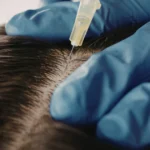
PRP therapy involves drawing a small amount of your blood, processing it to concentrate the platelets, and then injecting it back into the scalp. The growth factors in the platelets can stimulate hair follicles and encourage new hair growth.
Low-Level Laser Therapy (LLLT)
LLLT uses red light to stimulate hair follicles, encouraging them to enter the growth phase. Available in devices like helmets or combs, this non-invasive treatment is easy to use at home and has shown positive results in some patients.
Stem Cell Therapy for Hair Loss
Stem cell therapy is an emerging treatment that uses stem cells to regenerate hair follicles. Although it’s still in the experimental phase, it offers promising potential for those who haven’t responded to other treatments.
When Should You Consider Medical Treatment for Hair Loss?
Early Intervention: The Best Time to Start
The sooner you begin treatment, the better. If you start when you notice early signs of thinning or shedding, treatments like minoxidil or finasteride can help slow down or even reverse the process. Preventing further hair loss is key to achieving the best results.
Severe Cases: When Surgery or PRP Might Be the Only Option
For more advanced hair loss, medical treatments like hair transplants or PRP therapy may be necessary. If you’ve tried over-the-counter medications without success, these more invasive treatments might be the best way to regain your hair.
How Medical Hair Loss Treatments Work: Expected Results and Recovery Time
What to Expect from Each Treatment
Minoxidil: Results can typically be seen after 4-6 months, but the full effect may take up to a year. Hair regrowth is gradual, and some shedding may occur initially as new hair pushes out old hair.
Finasteride: It can take 3-6 months to see results, with the most noticeable changes occurring after a year. This medication works best for men in the early stages of hair loss.
Hair Transplants: After the surgery, hair may fall out in the first few weeks (a normal part of the process), and new hair will begin to grow in 3-6 months. Full results can be expected after about 12 months.
Recovery After Hair Transplant: Timeline and Care
Recovery after a hair transplant involves some swelling, redness, and possible discomfort, but these effects usually subside within a week. Avoiding vigorous exercise and excessive sweating is crucial for the first few weeks. Full recovery, including new hair growth, takes around 12-18 months.
Long-Term Hair Maintenance
While many hair loss treatments offer long-term results, maintenance is essential. Medications like minoxidil and finasteride may need to be used indefinitely to prevent hair loss from returning. Regular check-ups with your healthcare provider or hair specialist are recommended to monitor progress and make any adjustments to your treatment plan.
Risks and Side Effects of Medical Hair Treatments
Potential Side Effects of Minoxidil and Finasteride
Common side effects of minoxidil include scalp irritation, dryness, and unwanted hair growth in areas adjacent to the scalp. Finasteride can cause side effects like reduced libido, erectile dysfunction, and breast tenderness, though these are relatively rare.
Risks Involved with Hair Transplantation
While generally safe, hair transplants can lead to complications like infection, scarring, or an unnatural-looking hairline if not performed by a skilled surgeon. It’s crucial to choose a reputable clinic with experienced surgeons to minimise these risks.
What to Do if Side Effects Occur
If you experience any side effects, it’s essential to contact your healthcare provider immediately. For medications like finasteride, stopping the treatment can reverse some side effects.
Expert Tips for Faster Recovery and Optimising Treatment Results
Post-Treatment Hair Care
After treatments like hair transplants or PRP therapy, gentle hair care is crucial. Use mild, sulfate-free shampoos and avoid heat styling tools for the first few months.
How to Prevent Future Hair Loss
Eating a balanced diet rich in biotin, iron, and vitamins A and D can support healthy hair growth. Managing stress through yoga or meditation can also help prevent hair loss related to stress.

Consult with a Specialist
To ensure the best outcome, work closely with a specialist who can tailor your treatment plan to your needs. They can monitor your progress and adjust the treatment as necessary.
Frequently Asked Questions (FAQs)
How long does it take to see results from hair loss treatments?
Results from minoxidil can take 4-6 months, while finasteride may take 3-6 months. For hair transplants, noticeable regrowth can take 3-6 months, with full results appearing within a year.
Are hair transplants permanent?
Yes, hair transplants typically offer permanent results. However, they do not prevent further hair loss, so ongoing treatments may be necessary.
Can hair loss treatments be combined for better results?
Yes, combining treatments like minoxidil and PRP therapy can improve results, especially for individuals with advanced hair loss.
What is the cost of hair loss treatments?
The cost varies widely depending on the treatment. Minoxidil is relatively inexpensive, while hair transplants can cost several thousand dollars.
Are there any natural treatments for hair loss that complement medical treatments?
While medical treatments are the most effective, natural remedies like scalp massage, essential oils, and herbal supplements can complement medical treatments and promote overall hair health.
Start Your Journey Toward Fuller Hair Today
Regrowing hair can be a complex process, but with the right treatment, it’s possible to restore what’s been lost. Whether you choose topical solutions like minoxidil, medications like finasteride, or a surgical option like a hair transplant, the key is to start early and stay consistent with your treatment plan.
Book a consultation with Vagus Hair Transplant in Islamabad today to ensure a smooth and successful recovery after your hair transplant.