Thinning hair in women is a common concern that can arise due to various factors, both internal and external. The causes of thinning hair in women can range from hormonal changes, nutritional deficiencies, and stress to medical conditions and genetic predispositions. Understanding the reasons for hair loss is crucial for addressing the issue effectively. In this article, we will explore the common causes of thinning hair in women and discuss practical solutions for prevention and management.
Introduction
Hair thinning in women can have a profound impact on self-esteem and confidence. As hair is often associated with beauty and femininity, noticing changes in hair density can be emotionally distressing. The causes of thinning hair in women are diverse, and while some factors are genetic, others are lifestyle or health-related. In this article, we will delve into the common causes of hair thinning in women, such as hormonal changes, nutritional deficiencies, medical conditions, and stress. Additionally, we will explore the different treatment options available to manage and even reverse hair thinning, empowering women to take charge of their hair health.
Related; Effective Medical Treatment for Female Hair Loss
Common Causes of Thinning Hair in Women
Hormonal Changes and Hair Thinning
Hormonal fluctuations are one of the most common causes of thinning hair in women.
Menopause, Pregnancy, and Postpartum Hair Loss
During menopause, a decrease in estrogen levels can lead to hair thinning. Similarly, pregnancy and postpartum changes can cause hair loss due to fluctuations in hormones.
Hormonal Imbalances: PCOS, Thyroid Disorders
Conditions like Polycystic Ovary Syndrome (PCOS) and thyroid disorders (both hypo- and hyperthyroidism) can disrupt the balance of hormones and result in thinning hair. These conditions affect the hair growth cycle, leading to excessive shedding or slower regrowth.
Nutritional Deficiencies
The role of vitamins and minerals in maintaining healthy hair cannot be overstated.
The Role of Vitamins and Minerals in Hair Health
Deficiencies in key nutrients like iron, biotin, vitamin D, and zinc can hinder hair growth and contribute to hair thinning.
How Diet Affects Hair Growth
A poor diet lacking essential nutrients can prevent hair follicles from reaching their full growth potential, leading to weak and thinning hair.
Stress and Hair Loss
Stress is a significant factor in hair thinning among women.
How Chronic Stress and Anxiety Impact Hair Growth
Chronic stress can disrupt the hair growth cycle, leading to excessive shedding known as telogen effluvium. Stress affects the balance of hormones, which in turn can interfere with the normal functioning of hair follicles.
The Connection Between Stress and Telogen Effluvium
Telogen effluvium is a condition where a large number of hair follicles prematurely enter the shedding phase due to stress, leading to noticeable thinning.
Genetics and Hereditary Factors
Genetics plays a crucial role in determining the likelihood of hair thinning in women.
Female Pattern Baldness: What It Is and How It Happens
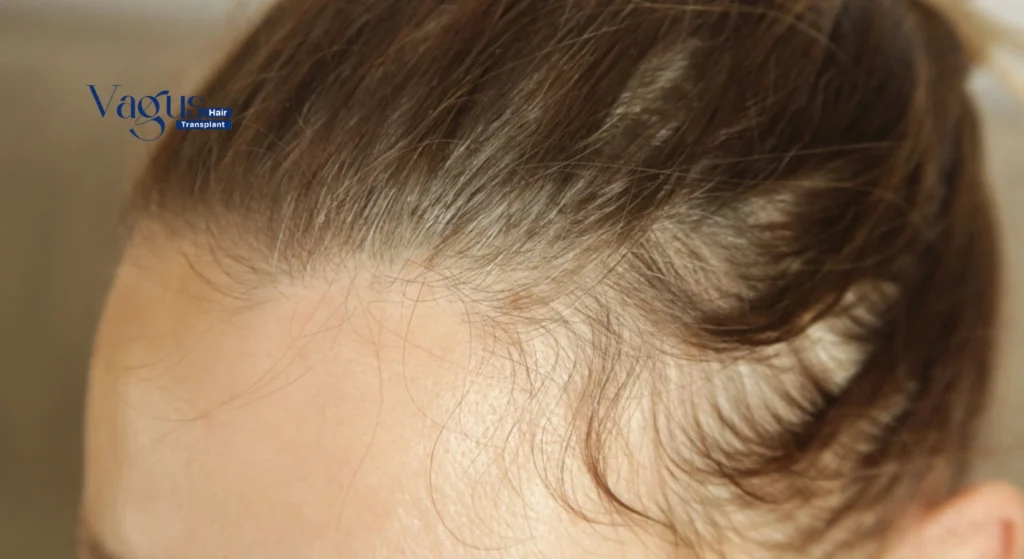
Female pattern baldness, also known as androgenetic alopecia, is a hereditary condition where women experience diffuse hair thinning, particularly around the crown and hairline.
The Role of Family History in Hair Thinning
If a woman has a family history of hair thinning or baldness, she is more likely to experience similar issues due to genetic predisposition.
Medical Conditions that Contribute to Thinning Hair
Thyroid Problems
Both hypothyroidism and hyperthyroidism can lead to hair thinning.
Hypothyroidism and Hyperthyroidism’s Effects on Hair
An underactive or overactive thyroid affects the production of hormones that regulate hair growth, leading to thinning or shedding.
Autoimmune Disorders
Alopecia areata, an autoimmune disorder, causes the body’s immune system to attack hair follicles.
Alopecia Areata and Its Impact on Hair Follicles
This condition can result in round patches of hair loss and may eventually cause complete baldness in some cases.
Scalp Infections and Inflammation
Scalp conditions like dandruff and seborrheic dermatitis can also contribute to hair thinning.
Dandruff, Seborrheic Dermatitis, and Other Scalp Issues
These conditions cause inflammation and flaking on the scalp, which can clog hair follicles and hinder hair growth.
The Role of Medications in Hair Thinning
Certain medications can also cause hair thinning.
Common Drugs that May Cause Hair Loss
Chemotherapy drugs, birth control pills, and medications for high blood pressure or depression can lead to hair loss as a side effect.
Lifestyle Factors that Affect Hair Health
Hair Care Habits and Styling Practices
Aggressive styling practices can cause damage to hair, contributing to thinning over time.
The Impact of Heat, Chemical Treatments, and Tight Hairstyles
Frequent use of heat styling tools, chemical treatments, and tight hairstyles can weaken the hair shaft, causing it to break and thin.
Environmental Factors
External factors like pollution and weather conditions can also affect hair health.
Pollution and Weather-Related Damage to Hair
Exposure to pollutants and extreme weather conditions can lead to dry, brittle hair that is more prone to breakage.
Sleep and Hair Growth
Sleep is vital for hair health.
The Connection Between Sleep Quality and Hair Health
Lack of adequate sleep can affect the body’s ability to regenerate and repair tissues, including hair follicles, leading to thinning hair.
Preventing and Managing Thinning Hair
Dietary Adjustments and Supplements
Incorporating specific nutrients into your diet can help improve hair health.
Best Foods and Supplements to Support Hair Growth
Foods rich in biotin, iron, and vitamin D, along with supplements, can help nourish hair follicles and promote hair regrowth.
Effective Hair Care Routines
A proper hair care routine can reduce the damage caused by styling and environmental factors.
How to Minimize Hair Damage and Promote Hair Health
Using gentle hair care products and avoiding heat styling can help protect the hair from further damage.
Medical Treatments and Solutions
There are medical treatments available to address hair thinning.
Topical Treatments (Minoxidil), PRP Therapy, and Other Medical Options
Minoxidil is a popular topical treatment that can help stimulate hair growth. Platelet-rich plasma (PRP) therapy is another option that has shown promise in promoting hair regrowth.
When to Seek Professional Help
If hair thinning persists, seeking professional advice is essential.
Consulting a Dermatologist or Trichologist for Personalized Treatment
A dermatologist or trichologist can diagnose the underlying causes of hair thinning and recommend appropriate treatments.
Final Thoughts
In conclusion, there are many causes of thinning hair in women, ranging from hormonal imbalances and genetics to lifestyle factors and medical conditions. By understanding these causes, women can take proactive steps to manage and prevent further hair thinning. Seeking the right treatments, making dietary adjustments, and maintaining a healthy lifestyle are essential in promoting hair regrowth and maintaining healthy hair.
If you’re struggling with thinning hair, don’t wait to take action! Understanding the underlying causes is the first step toward healthier, thicker hair. Whether it’s hormonal imbalances, stress, or lifestyle factors, there are proven solutions to help restore your hair.
Frequently Asked questions
1.What is the most common cause of thinning hair in women?
Hormonal changes, particularly during menopause, pregnancy, and conditions like PCOS, are the most common causes of thinning hair in women.
2.Can thinning hair be reversed?
Yes, depending on the cause, thinning hair can often be reversed with the right treatments, such as medications, dietary changes, and proper hair care.
3.How can I tell if my hair thinning is due to a medical condition?
If your hair thinning is accompanied by other symptoms like fatigue, weight changes, or scalp irritation, it could be due to an underlying medical condition. Consulting a healthcare provider can help determine the cause.
4.Are there any natural remedies for thinning hair?
Yes, natural remedies like essential oils (e.g., rosemary oil), a balanced diet rich in vitamins and minerals, and stress reduction techniques can help manage and promote healthy hair growth.